Author: admin

  • Internet Slowdown Issues in Pakistan: What’s Causing the Problem?

    Internet Slowdown Issues in Pakistan: What’s Causing the Problem?

    Introduction

    Internet users across Pakistan have recently been facing slow speeds, buffering issues, and unstable connectivity. From freelancers to students and businesses, almost everyone is being affected. The slowdown has become a major concern because the internet is now essential for work, communication, and daily activities. But what exactly is causing these problems? The reasons are mostly technical, but they are also linked to infrastructure and usage patterns.

    Submarine Cable Issues: The Main Reason

    One of the biggest causes of the recent slowdown is maintenance and repair work on international submarine cables. Pakistan depends heavily on undersea fiber-optic cables to connect with the global internet.

    Recently, repair work on one of these cables has been ongoing, which has reduced overall internet capacity. As a result, users across the country have experienced slower speeds and interruptions, especially during peak hours.

    When even one cable is under maintenance, traffic is shifted to other cables, which creates congestion and slows down the network.

    High Internet Traffic (Peak Usage Time)

    Another major factor is increased internet usage, especially during evening hours. When millions of users are online at the same time—streaming videos, using social media, or attending online meetings—the network becomes overloaded.

    This high traffic leads to slower speeds, buffering, and lag. Experts say that internet performance is usually worst during peak hours because the system struggles to handle the heavy load.

    Load Shedding and Power Issues

    Electricity problems also play a significant role in internet slowdown. Telecom towers and internet systems rely on power to function properly. During load shedding, these systems switch to backup batteries, which may not always perform efficiently.

    Frequent power outages prevent proper charging of backup systems, resulting in weak signals and unstable connectivity for users.

    Weak Infrastructure

    Pakistan’s internet infrastructure is still developing and not fully equipped to handle the growing demand. Many areas rely on outdated systems, and network capacity is limited.

    Even though new technologies like 5G are being introduced, the core infrastructure—such as fiber networks and telecom systems—needs significant improvement. Weak infrastructure leads to slow speeds, especially when demand increases.

    Limited Backup Capacity

    Another issue is the lack of strong backup systems. When one major internet route is disrupted, there are limited alternative routes available to handle the traffic.

    This lack of redundancy means that even small technical issues can cause widespread slowdowns. A stronger backup system could reduce the impact, but currently, the capacity is not sufficient.

    Impact on Freelancers and Businesses

    The internet slowdown is not just an inconvenience—it has serious economic effects. Pakistan has millions of freelancers who depend on stable internet for their work. Slow speeds can lead to missed deadlines, communication issues, and loss of clients.

    Reports show that internet disruptions are already affecting productivity and earnings in the digital sector, which is an important source of foreign income for the country.

    Impact on Daily Life

    For the general public, slow internet affects daily routines. Students face problems attending online classes, while users experience delays in browsing, streaming, and communication. Even basic tasks like sending messages or loading websites can become frustrating.

    Can the Situation Improve?

    There is hope that internet performance will improve once the ongoing cable maintenance is completed. Authorities usually try to minimize disruption by rerouting traffic, but full restoration takes time.

    In the long term, Pakistan needs to invest in better infrastructure, more submarine cables, and stronger backup systems. Expanding fiber networks and improving power stability can also help provide a smoother internet experience.

    Conclusion

    The internet slowdown in Pakistan is caused by a combination of factors, including submarine cable maintenance, high traffic, power issues, and weak infrastructure. While some of these problems are temporary, others require long-term solutions.

    For now, users may continue to experience slow speeds, especially during peak hours. However, with proper investment and planning, Pakistan can improve its internet system and support its growing digital economy.

  • New Tax Rules Expected in Pakistan: What It Means for Salaried Class

    New Tax Rules Expected in Pakistan: What It Means for Salaried Class

    Introduction

    As Pakistan prepares for its upcoming federal budget, discussions around new tax rules are gaining momentum. The salaried class, which is already one of the highest tax-contributing segments in the country, is closely watching these developments. With rising inflation and economic pressure, any change in tax policy can significantly impact disposable income and financial stability.

    Background: Heavy Burden on Salaried Class

    The salaried class in Pakistan contributes a large share of income tax revenue. Recent data shows that salaried individuals paid around Rs420 billion in taxes within nine months, highlighting their major role in the tax system.

    Despite this, many argue that salaried individuals face a disproportionate burden compared to other sectors. This is why upcoming tax reforms are being discussed with a focus on either providing relief or restructuring the system.

    What Changes Are Expected?

    Possible Tax Relief

    One of the most discussed proposals is providing some level of relief to salaried individuals. Reports suggest that the government may adjust tax slabs or reduce rates for lower and middle-income groups.

    There are also discussions about reducing or eliminating additional surcharges on higher-income earners to ease financial pressure.

    Reduction in Super Tax

    Another expected change is the gradual reduction of the “super tax,” which currently applies to higher-income individuals. This step is being considered to make the tax system more balanced and encourage compliance.

    Revision of Tax Slabs

    The government may revise income tax slabs to provide relief to middle-income earners. Previous budgets have already introduced reduced rates in several slabs, and further adjustments are expected to continue this trend.

    Expansion of Tax Net

    While some relief may be given, the government is also likely to expand the tax base. This means bringing more sectors and individuals into the tax system to increase revenue and reduce reliance on salaried taxpayers.

    Removal of Certain Exemptions

    Another major proposal includes removing tax exemptions in different sectors. This move aims to increase revenue but could also shift some burden indirectly onto the public.

    Why These Changes Matter

    Impact on Monthly Income

    For salaried individuals, tax deductions directly affect take-home salary. Any reduction in tax rates can increase disposable income, helping families manage rising expenses.

    Inflation Pressure

    With inflation already high, tax relief can provide much-needed support. On the other hand, if new taxes are introduced or exemptions removed, it could increase financial stress.

    Economic Stability

    Tax reforms are also linked to Pakistan’s commitments with international financial institutions. The government must balance public relief with revenue targets, making policy decisions more complex.

    Positive Outcomes for Salaried Class

    Increased Disposable Income

    If tax rates are reduced, individuals will have more money available for daily expenses, savings, and investments.

    Fairer Tax System

    Expanding the tax net can reduce the burden on salaried individuals by ensuring that more people contribute to the system.

    Improved Compliance

    Simpler and more balanced tax rules can encourage people to file taxes honestly and regularly.

    Concerns and Challenges

    Limited Relief

    Experts believe that any relief provided may be limited due to economic constraints and international commitments.

    Continued Pressure on Middle Class

    Even with adjustments, the middle class may continue to face financial pressure due to inflation and rising living costs.

    Implementation Issues

    Ensuring that new tax policies are implemented fairly and effectively remains a challenge for authorities.

    What Salaried Individuals Should Do

    Stay Updated

    Keep track of official budget announcements and tax updates to understand how changes affect your income.

    Plan Finances

    Adjust your budget and savings plans according to expected changes in taxation.

    Ensure Compliance

    File tax returns on time and maintain proper documentation to avoid penalties.

    Future Outlook

    The upcoming budget is expected to bring a mix of relief and stricter measures. While the government may try to ease the burden on salaried individuals, it also needs to meet revenue targets and manage economic challenges.

    Long-term improvement will depend on structural reforms, better tax collection systems, and reducing reliance on a single segment of taxpayers.

    Conclusion

    The expected new tax rules in Pakistan are likely to have a significant impact on the salaried class. While there is hope for relief through reduced tax rates and revised slabs, challenges remain due to economic conditions and policy constraints.

    For salaried individuals, understanding these changes and preparing accordingly is essential. Whether the reforms bring real relief or only minor adjustments, their effects will be felt across households and the broader economy.

  • Gold Prices Hit New High in Pakistan: Should You Buy or Wait?

    Gold Prices Hit New High in Pakistan: Should You Buy or Wait?

    Introduction

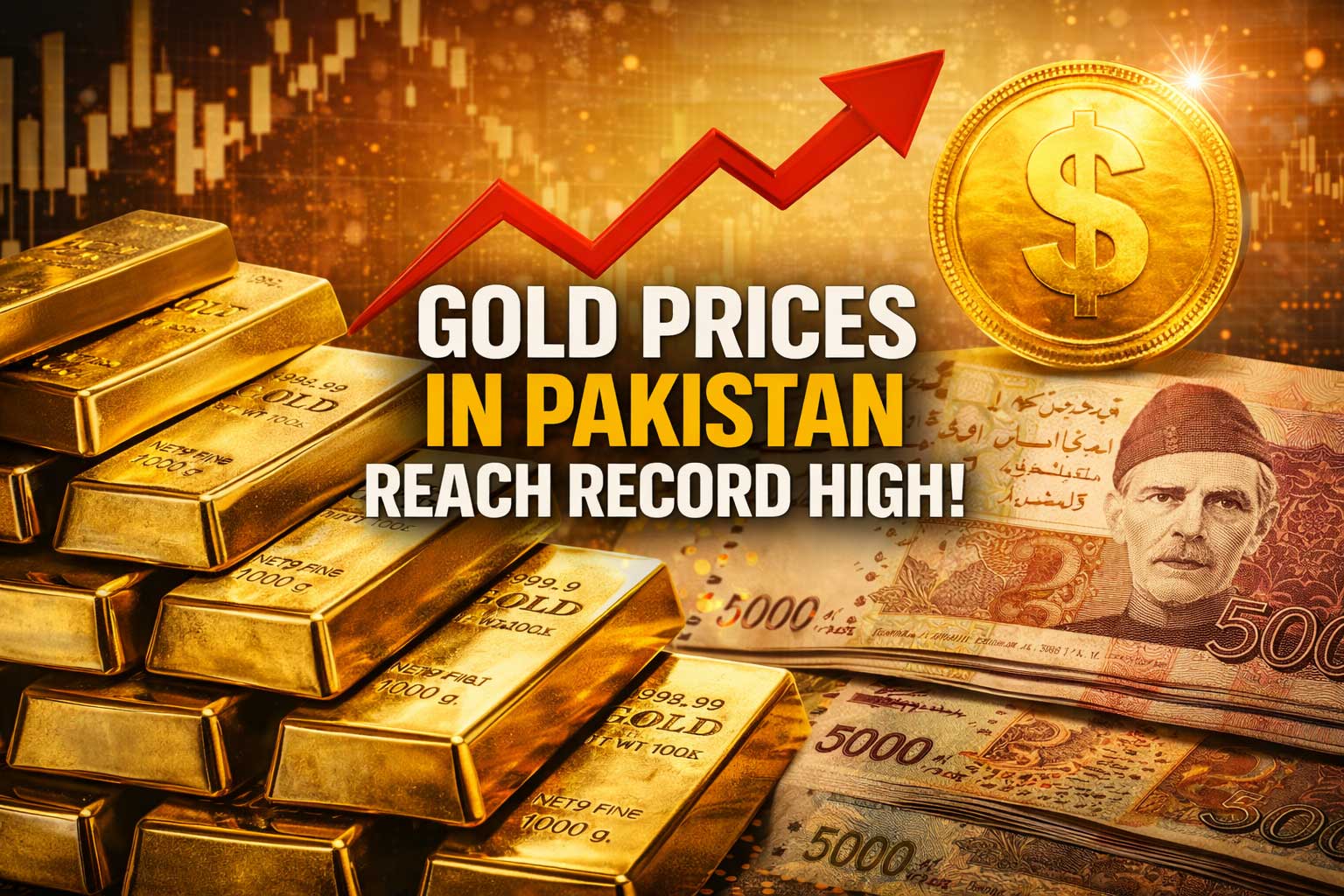
    Gold prices in Pakistan have recently reached a new high, attracting attention from investors, traders, and the general public. For many people, gold is not just a luxury item but also a reliable form of investment and financial security. Whenever prices rise sharply, a common question emerges: is it the right time to buy gold, or should you wait for prices to fall? Understanding the reasons behind the price increase and analyzing market trends can help in making a better decision.

    Why Gold Prices Are Rising

    There are several reasons why gold prices are increasing in Pakistan. One of the main factors is the rise in international gold prices. Since Pakistan imports gold, any increase in global rates directly impacts local prices.

    Another important factor is the depreciation of the Pakistani rupee. When the local currency weakens against the US dollar, gold becomes more expensive in the domestic market. This is because gold is traded internationally in dollars.

    Economic uncertainty also plays a major role. During times of inflation or financial instability, people tend to invest in gold as a safe asset. This increased demand pushes prices even higher.

    Impact on the Local Market

    The rise in gold prices has a noticeable impact on the local market. Jewelry buyers, especially those planning weddings or special occasions, are directly affected as the cost of ornaments increases significantly.

    On the other hand, investors who already own gold benefit from the price surge, as the value of their assets increases. Traders also experience higher activity in the market, as people try to take advantage of price movements.

    Should You Buy Gold Now?

    Advantages of Buying Now

    Buying gold during a price rise can still be beneficial if you believe that prices will continue to increase. In uncertain economic conditions, gold often remains a stable investment compared to other options.

    Additionally, if you need gold for personal use, such as weddings, waiting too long may result in even higher costs if the upward trend continues.

    Risks of Buying at High Prices

    However, buying gold at peak prices also carries risks. Markets can be unpredictable, and prices may correct or drop after reaching a high point. If you buy at the highest rate and prices fall later, you may face a temporary loss.

    It is important to remember that gold prices do not always move in one direction and can fluctuate based on global and local factors.

    Should You Wait?

    Benefits of Waiting

    Waiting can be a smart strategy if you expect prices to stabilize or decrease. Market corrections are common after rapid increases, and you may get a better deal if prices drop.

    For investors, patience can provide an opportunity to enter the market at a more favorable rate.

    Risks of Waiting

    On the other hand, waiting also has its own risks. If the upward trend continues, prices may rise even further, making gold more expensive in the future. This can be especially challenging for those who need gold for immediate use.

    Expert Approach to Decision Making

    Instead of trying to perfectly time the market, many experts suggest a balanced approach. Buying gold in small amounts over time can reduce the risk of price fluctuations. This method allows you to average out the cost and avoid investing all your money at a single high point.

    It is also important to consider your financial goals. If you are buying gold for long-term investment, short-term price changes may not matter as much. However, if your goal is short-term profit, careful timing becomes more important.

    Tips for Buyers

    Monitor Market Trends

    Keep an eye on both international and local gold price trends. Understanding market direction can help you make informed decisions.

    Set a Budget

    Decide how much you are willing to invest and stick to your budget. Avoid making impulsive decisions based on sudden price movements.

    Avoid Panic Buying

    Do not rush into buying gold just because prices are rising. Take time to analyze the situation and consider your needs.

    Think Long-Term

    Gold is generally considered a long-term investment. Focus on its value over time rather than short-term fluctuations.

    Conclusion

    The recent rise in gold prices in Pakistan has created both opportunities and challenges for buyers. Whether you should buy now or wait depends on your financial situation, purpose, and risk tolerance.

    If you need gold immediately or believe prices will continue to rise, buying now may be a reasonable choice. However, if you prefer to minimize risk and are not in a hurry, waiting for a possible price correction could be beneficial.

    In the end, a careful and informed approach is the best way to make the right decision in a fluctuating market.

  • Petrol Prices Expected to Change in Pakistan: What It Means for the Public

    Petrol Prices Expected to Change in Pakistan: What It Means for the Public

    Introduction

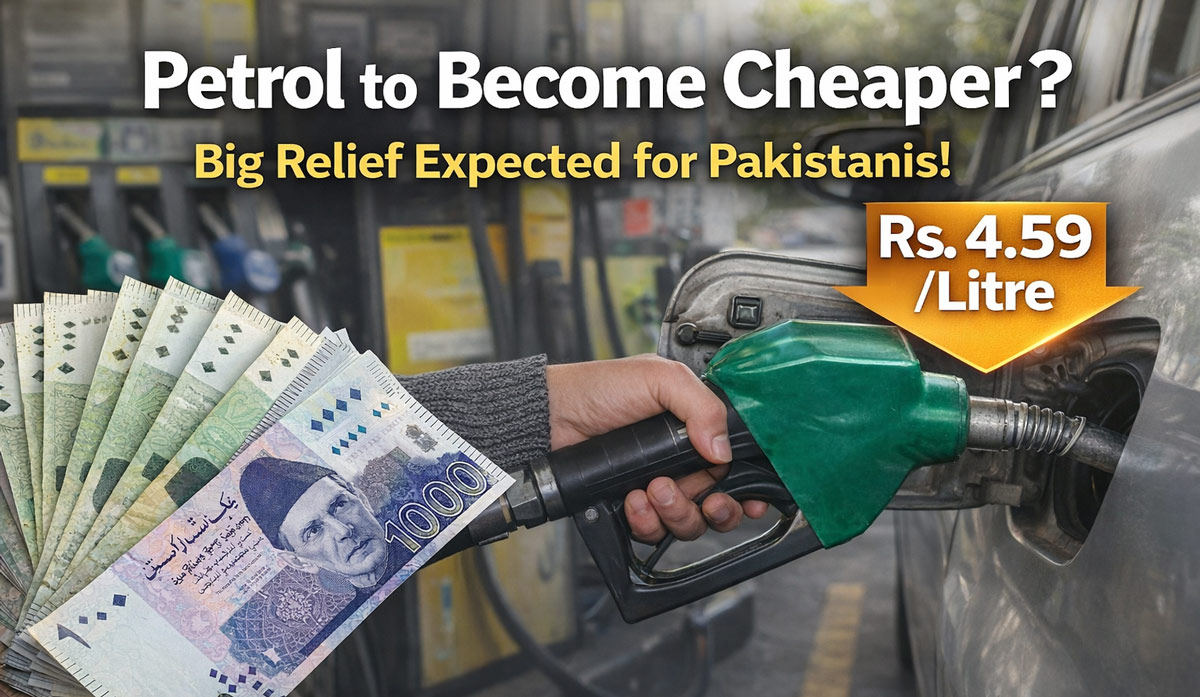
    Petrol prices in Pakistan are expected to change once again, creating concern and curiosity among the public. Fuel prices play a critical role in the daily lives of citizens, influencing everything from transportation costs to the prices of essential goods. Any increase or decrease in petrol prices has a direct impact on the economy and household budgets.

    Why Petrol Prices Change

    Petrol prices in Pakistan are not fixed and are adjusted regularly based on several factors. One of the main reasons is the fluctuation in international oil prices. Since Pakistan imports a large portion of its fuel, global market trends heavily influence local rates.

    Another important factor is the exchange rate. When the Pakistani rupee weakens against the US dollar, the cost of importing fuel increases, leading to higher petrol prices. Additionally, government taxes and levies also play a significant role in determining the final price consumers pay.

    Expected Changes in Prices

    Recent reports suggest that petrol prices may either increase or decrease depending on current global trends. If international oil prices continue to rise, there is a strong possibility of a price hike. On the other hand, if global rates stabilize or decline, relief may be passed on to the public.

    These expected changes often create uncertainty, as people try to anticipate how the new prices will affect their daily expenses.

    Impact on the Public

    Increased Transportation Costs

    One of the most immediate effects of rising petrol prices is the increase in transportation costs. Public transport fares usually go up, and those who rely on personal vehicles face higher fuel expenses. This affects students, workers, and businesses alike.

    Rise in Inflation

    Petrol prices are closely linked to inflation. When fuel becomes expensive, the cost of transporting goods also increases. This leads to higher prices for food items, groceries, and other essentials, putting additional pressure on households.

    Effect on Businesses

    Businesses, especially those involved in logistics and delivery, are directly impacted by fuel price changes. Higher petrol costs increase operational expenses, which are often passed on to customers in the form of higher prices.

    Household Budget Pressure

    For the average citizen, even a small increase in petrol prices can significantly affect the monthly budget. Families may have to cut down on other expenses to manage the rising cost of fuel and related items.

    Government’s Role

    The government plays a key role in managing petrol prices. Authorities can adjust taxes, provide subsidies, or absorb some of the cost to provide relief to the public. However, these decisions are often influenced by economic conditions and agreements with international financial institutions.

    Balancing revenue generation and public relief is a major challenge for policymakers.

    Public Reaction

    Whenever petrol prices are expected to change, it becomes a widely discussed topic. People express their concerns on social media, in public discussions, and through various platforms. A price increase is usually met with criticism, while any decrease is welcomed as relief.

    Possible Outcomes

    Price Increase

    If prices go up, the public may face higher living costs and increased financial pressure.

    Price Decrease

    If prices are reduced, it can provide temporary relief and improve consumer confidence.

    Stable Prices

    If prices remain unchanged, it can help maintain stability in the market and reduce uncertainty.

    Tips for Managing Fuel Costs

    In times of rising petrol prices, individuals can take steps to manage their expenses. Carpooling, using public transport, and maintaining vehicles properly can help reduce fuel consumption. Planning trips efficiently and avoiding unnecessary travel can also make a difference.

    Conclusion

    The expected change in petrol prices in Pakistan is an important issue that affects every citizen. Whether prices increase or decrease, the impact is felt across all sectors of society. Staying informed and managing expenses wisely can help individuals cope with these changes.

    As the government announces the final decision, the public will be closely watching, hoping for relief in an already challenging economic environment

  • From Airports to Districts: Govt Announces New Facilities for Overseas Pakistanis

    From Airports to Districts: Govt Announces New Facilities for Overseas Pakistanis

    Introduction

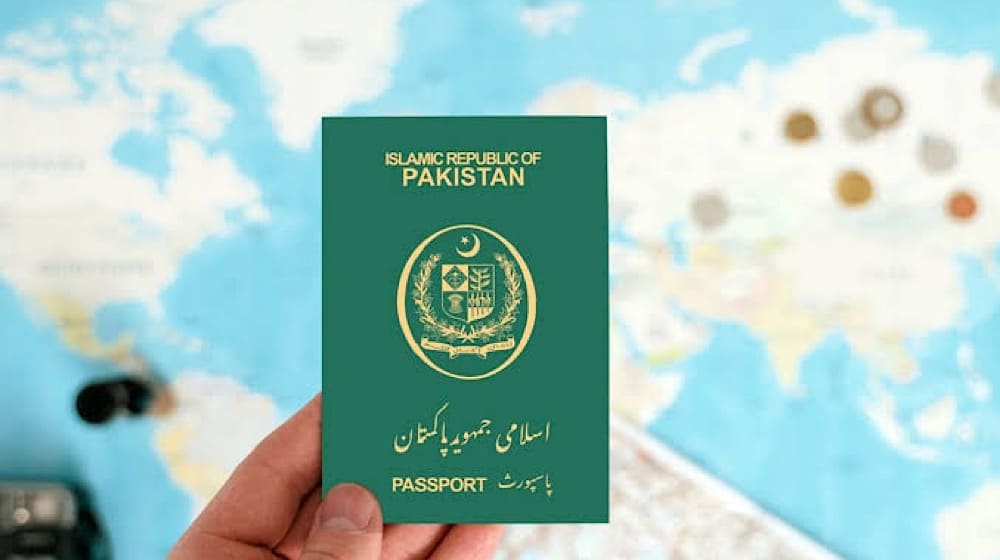
    The government of Pakistan has recently introduced a series of new facilities aimed at improving the experience of overseas Pakistanis. These initiatives are designed to make travel smoother, simplify administrative processes, and strengthen the connection between overseas citizens and their homeland. From airports to district-level offices, the changes reflect a growing recognition of the important role overseas Pakistanis play in the country’s economy and development.

    Focus on Overseas Pakistanis

    Overseas Pakistanis contribute significantly through remittances, investments, and international representation. For many years, they have raised concerns about difficulties faced when visiting Pakistan, including long airport procedures, lack of guidance, and challenges in accessing government services.

    In response, the government has taken steps to address these issues and provide a more welcoming and efficient system.

    Improved Airport Facilities

    Dedicated Counters

    One of the key improvements is the introduction of dedicated counters at major airports. These counters are specifically designed to assist overseas Pakistanis, reducing waiting times and ensuring quicker immigration and customs clearance.

    Special Assistance Desks

    Help desks have been set up to guide passengers upon arrival. These desks provide information, resolve complaints, and assist with documentation, making the arrival process more organized and stress-free.

    Faster Immigration Process

    Authorities are working on streamlining immigration procedures by using better technology and trained staff. This helps reduce delays and ensures a smoother experience for travelers returning home.

    District-Level Services

    One-Window Facilitation Centers

    At the district level, the government is introducing one-window operations where overseas Pakistanis can access multiple services in one place. These centers aim to reduce the need for visiting different offices for various tasks.

    Legal and Administrative Support

    Overseas Pakistanis often face legal challenges related to property, documentation, or family matters. The new system provides easier access to legal assistance and faster resolution of issues at the district level.

    Digital Access to Services

    Efforts are also being made to digitize services, allowing overseas Pakistanis to complete many tasks online. This includes applications, complaints, and tracking of requests, saving both time and effort.

    Addressing Long-Standing Issues

    These initiatives are particularly important because they directly address long-standing concerns. Complaints about corruption, delays, and lack of coordination have often discouraged overseas Pakistanis from investing or engaging with local institutions.

    By introducing transparency, accountability, and ease of access, the government aims to rebuild trust and encourage greater participation from overseas communities.

    Economic and Social Impact

    The impact of these facilities goes beyond convenience. Overseas Pakistanis are a major source of foreign exchange for the country, and improving their experience can lead to increased remittances and investments.

    Better services also strengthen emotional ties, making overseas citizens feel valued and connected to their homeland. This can encourage more frequent visits, business activities, and contributions to national development.

    Challenges and Implementation

    While the announcements are promising, the real challenge lies in implementation. Ensuring that these facilities function effectively across all regions requires proper training, monitoring, and accountability.

    There is also a need for continuous feedback from overseas Pakistanis to identify gaps and improve services over time. Without proper execution, even the best policies can fail to deliver results.

    Future Outlook

    If successfully implemented, these initiatives can transform the experience of overseas Pakistanis. The focus on both airports and district-level services shows a comprehensive approach, addressing issues from arrival to local administration.

    The government may also expand these facilities in the future, introducing more digital solutions and specialized services to meet the evolving needs of overseas citizens.

    Conclusion

    The government’s decision to introduce new facilities for overseas Pakistanis is a positive step toward inclusivity and efficiency. By improving services at airports and extending support to district levels, Pakistan is taking meaningful steps to recognize and support its global community.

    The success of these initiatives will depend on consistent implementation and a commitment to addressing the real needs of overseas Pakistanis. If done right, these measures can strengthen trust, boost economic growth, and create a more connected and supportive environment for Pakistanis living abroad.

  • What to Know About U.S.-Iran Peace Talks

    What to Know About U.S.-Iran Peace Talks

    Introduction

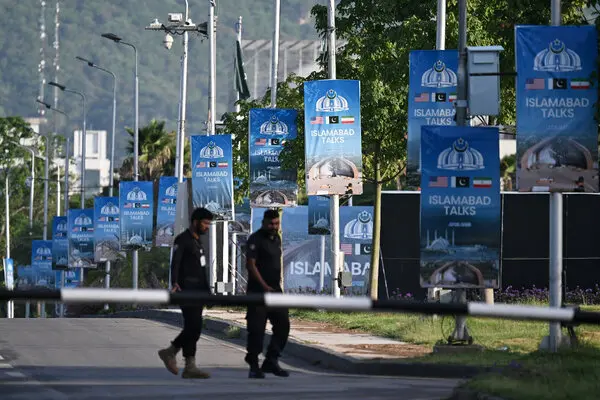
    The peace talks between the United States and Iran have become a major focus of global attention. After a period of rising tensions, both countries are now exploring diplomatic solutions to avoid further conflict. These discussions are important not only for the two nations involved but also for the stability of the Middle East and the global economy.

    Background of the Conflict

    The relationship between the United States and Iran has been tense for decades. Disagreements over political influence, military actions, and nuclear development have created ongoing conflict. In recent times, tensions increased due to military activities and economic sanctions, pushing both sides closer to confrontation.

    To prevent escalation, international pressure and regional mediation encouraged both countries to come to the negotiation table. A temporary ceasefire created the opportunity for these peace talks, but deep mistrust still exists between the two sides.

    Key Issues in the Talks

    Nuclear Program

    One of the biggest challenges in the negotiations is Iran’s nuclear program. The United States wants strict limits to ensure that Iran does not develop nuclear weapons. On the other hand, Iran insists that its nuclear activities are for peaceful purposes and refuses to accept conditions it considers unfair.

    Economic Sanctions

    Another major issue is economic sanctions. The United States has imposed heavy sanctions on Iran, affecting its economy, trade, and currency value. Iran is demanding relief from these sanctions, while the U.S. is using them as leverage in negotiations.

    Regional Influence

    Iran’s involvement in Middle Eastern politics is also a point of concern. The United States wants Iran to reduce its influence in neighboring countries and limit support for certain groups. Iran, however, views its regional role as essential to its national security and refuses to step back easily.

    Military Presence and Security

    Both countries have strong military interests in the region. The presence of U.S. forces and Iran’s strategic positioning has created tension, especially in key areas like important shipping routes. Security guarantees are a crucial part of the discussions.

    Why the Talks Are Difficult

    Reaching an agreement is not easy due to several reasons. First, there is a long history of mistrust. Both sides doubt each other’s intentions, making compromise difficult.

    Second, political pressure within each country affects the negotiations. Leaders must consider public opinion and internal politics, which often limits their flexibility.

    Third, the demands from both sides are quite different. While the U.S. focuses on security and nuclear control, Iran prioritizes economic relief and sovereignty. These opposing priorities make it hard to find common ground.

    Recent Developments

    Recent rounds of talks have shown mixed results. While both sides continue to engage in dialogue, there has been little progress on major issues. Proposals have been exchanged, but no final agreement has been reached.

    There have also been moments of tension, with each side accusing the other of not negotiating in good faith. Despite this, communication channels remain open, which is a positive sign for future discussions.

    Global Impact

    The outcome of these peace talks has global importance. The Middle East is a key region for oil supply, and any instability can affect international markets. Rising tensions can lead to higher oil prices, which impacts economies around the world.

    Additionally, the talks influence global security. A successful agreement could reduce conflict in the region, while failure could increase the risk of military escalation.

    Possible Outcomes

    Limited Agreement

    A short-term deal focusing on smaller issues, such as reducing tensions or improving trade conditions, could be achieved first.

    Comprehensive Deal

    A complete agreement covering nuclear programs, sanctions, and regional policies would be ideal but is difficult to achieve.

    Continued Negotiations

    The talks may continue for a long time without a clear result, as both sides try to protect their interests.

    Escalation

    If negotiations fail completely, tensions could rise again, potentially leading to conflict.

    Conclusion

    The U.S.-Iran peace talks are a critical step toward reducing tensions and promoting stability. However, the challenges are significant, and progress is slow. The future of these negotiations depends on the willingness of both sides to compromise and build trust. Until then, the world will continue to watch closely, as the outcome will have lasting effects on global peace and economic stability.

  • The 10,000-Year Clock: A Revolution in How We Think About Time

    The 10,000-Year Clock: A Revolution in How We Think About Time

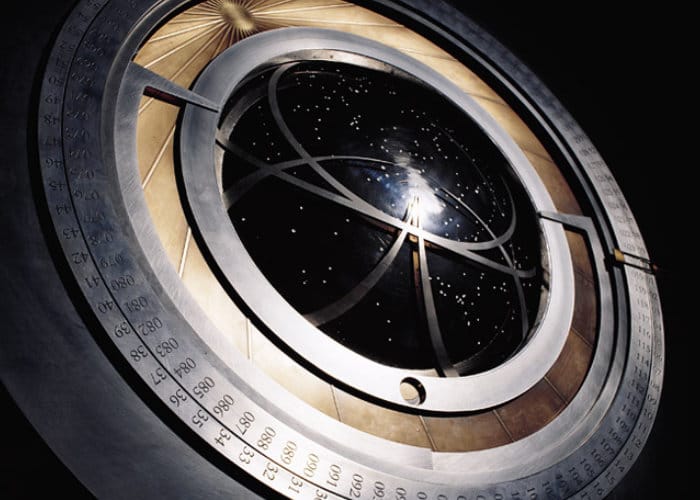
    Humans have always tried to measure and understand time. In ancient eras, people relied on the movement of the sun and moon to estimate passing hours. Over time, mechanical clocks and later digital systems transformed how we track time. Now, however, a new kind of clock is being developed—one designed to run not just for years or centuries, but for an astonishing 10,000 years. This clock is not just a machine; it represents a profound shift in human thinking.

     Rethinking Time on a Larger Scale

    The primary purpose of this clock is to push humanity beyond short-term thinking and toward a long-term perspective. Today, most decisions are made with days, months, or at best a few years in mind. But imagining a clock that will continue ticking for thousands of years forces us to consider how our present actions will shape the distant future.

     The Idea of Long-Term Thinking

    At the heart of this project is the concept of long-term thinking. The clock is being built inside a mountain to protect it from natural damage and ensure its survival over millennia. Its mechanism is designed to be simple yet incredibly durable, requiring minimal maintenance. The materials used are carefully chosen to resist corrosion and wear, ensuring the clock’s longevity.

     A Unique Way of Measuring Time

    Unlike traditional clocks, this one measures time on a much grander scale. It ticks once every year, chimes every 100 years, and produces a significant signal every 1,000 years. This design shifts the focus from seconds and minutes to centuries and millennia, offering a completely new way of understanding time.

     Thinking About Future Generations

    One of the most powerful aspects of this clock is how it encourages us to think about future generations. Most people plan for their own lifetime or perhaps for their children. But a 10,000-year timeline pushes us far beyond that. It raises an important question: are we leaving behind a world that will benefit those who come long after us?

     Responsibility Toward the Environment

    The project also carries an environmental message. Today, the world faces serious challenges such as climate change, pollution, and resource depletion. If we continue focusing only on short-term gains, we risk causing irreversible damage. A long-term perspective, like the one symbolized by this clock, encourages more responsible and sustainable decision-making.

     Technology and the Value of Permanence

    In an age where technology is fast and often temporary, this clock stands as a symbol of stability and permanence. It reminds us that innovation should not only prioritize speed and convenience but also durability and long-term impact.

     A Cultural Symbol for the Future

    Just as ancient monuments help us understand past civilizations, this clock could serve as a message to the future. Thousands of years from now, people may look at it and try to understand how we lived, what we valued, and how we thought about time.

     Conclusion

    In the end, the 10,000-year clock is more than an engineering project—it is a philosophical statement. It teaches us to see time not just as fleeting moments, but as part of a much larger story. By adopting this mindset, we can make better decisions—not only for ourselves, but for the future of humanity as a whole.

  • Saudi Arabia moves to block Pakistan’s $5.5 billion weapon sales to 2 African countries as strategy shifts

    Saudi Arabia moves to block Pakistan’s $5.5 billion weapon sales to 2 African countries as strategy shifts

    Introduction

    A new layer of geopolitical tension appears to be emerging as Saudi Arabia reportedly moves to block a multi-billion-dollar arms deal involving Pakistan and two African nations. The proposed $5.5 billion weapons agreement has drawn attention not only for its scale but also for what it signals about shifting alliances and regional strategic competition.

    The Reported Arms Deal

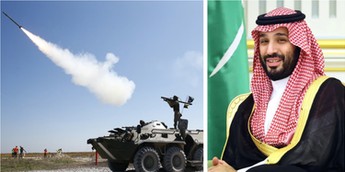
    According to diplomatic sources, Pakistan had been in advanced discussions to export a range of defense equipment, including conventional weapons systems and military hardware, to two African countries. The total value of the deal is estimated at around $5.5 billion, making it one of Pakistan’s largest potential defense export agreements in recent years.

    The deal is seen as part of Pakistan’s broader effort to strengthen its defense industry exports and expand its influence in African defense markets. These markets have become increasingly competitive, with several global powers vying for contracts and strategic partnerships.

    Saudi Arabia’s Intervention

    Reports suggest that Saudi Arabia has taken steps to discourage or block the finalization of the agreement. While official confirmation remains limited, sources indicate that Riyadh views the deal as strategically sensitive due to evolving regional alignments and its own defense relationships in Africa.

    Saudi Arabia’s position may be linked to its broader security interests and its desire to maintain influence over defense cooperation networks in regions where it has long-standing economic and diplomatic ties. The move is being interpreted by analysts as part of a wider recalibration of Saudi foreign policy.

    Pakistan’s Defense Export Ambitions

    Pakistan has been actively working to expand its defense export footprint in recent years. The country’s defense industry has focused on offering cost-effective military equipment to developing nations, particularly in Asia, the Middle East, and Africa.

    A successful $5.5 billion deal would have represented a major milestone, boosting both revenue and strategic influence. However, external political pressure of this nature highlights the challenges smaller defense exporters face when operating in geopolitically sensitive markets.

    Strategic Competition in Africa

    Africa has become a growing battleground for defense partnerships. Countries across the continent are modernizing their militaries and seeking affordable procurement options. This has attracted interest from major defense suppliers including China, Russia, Turkey, the United States, and now increasingly Pakistan.

    In this environment, arms deals are rarely just commercial transactions—they often carry political implications and can shift regional balances of influence. Any disruption in such agreements can therefore have broader diplomatic consequences.

    Implications for Regional Diplomacy

    If Saudi Arabia’s reported move is confirmed, it could indicate a more assertive approach to controlling defense flows in strategically important regions. It may also reflect underlying recalibrations in Saudi-Pakistan relations, which have historically been close but occasionally subject to strategic differences.

    For Pakistan, this development could complicate its efforts to diversify defense exports and reduce reliance on traditional partners. It may also prompt Islamabad to seek alternative markets or strengthen ties with other emerging economies.

    Economic and Strategic Impact

    The potential blocking of a $5.5 billion deal carries both economic and strategic implications. Economically, it could affect Pakistan’s defense export revenue targets. Strategically, it highlights how external influence can shape or limit arms trade agreements even after advanced negotiations.

    For African buyers, such interventions may delay procurement processes or force reconsideration of alternative suppliers, potentially affecting modernization timelines.

    Conclusion

    The reported Saudi move to block Pakistan’s large-scale weapon sales to two African countries underscores the complexity of modern defense diplomacy. Arms deals today are deeply intertwined with geopolitical strategy, regional influence, and shifting alliances.

    While details remain unconfirmed, the situation reflects a broader reality: in today’s global defense market, no major transaction exists in isolation from political considerations. The outcome of this development will likely depend on behind-the-scenes diplomacy in the coming weeks.

  • US boards ship carrying Iran oil as Trump threatens mine-laying vessels

    US boards ship carrying Iran oil as Trump threatens mine-laying vessels

    Introduction

    Tensions between the United States and Iran have sharply escalated after U.S. forces boarded a tanker accused of carrying Iranian oil, while former U.S. President Donald Trump issued strong warnings against Iranian naval activity. The latest developments highlight a growing confrontation at sea, particularly around the strategically critical Strait of Hormuz.

    U.S. Boards Iran-Linked Oil Tanker

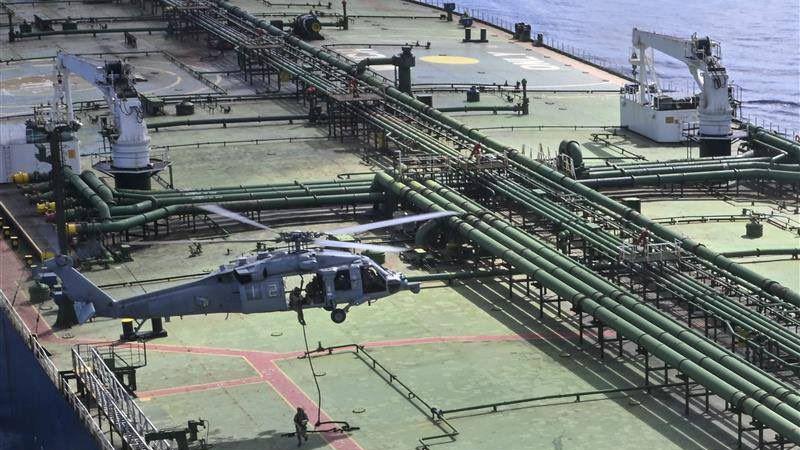
    According to U.S. officials, American forces intercepted and boarded a tanker known as the Majestic X in the Indian Ocean. The vessel was described as “stateless” and allegedly involved in transporting Iranian oil in violation of international sanctions.

    This marks one of several recent operations as part of a broader U.S. maritime crackdown targeting ships suspected of helping Iran export oil. The Pentagon emphasized that such actions are part of ongoing efforts to disrupt illicit networks and enforce global sanctions.

    Reports indicate this is not an isolated incident. Multiple vessels have been intercepted or seized in recent days, showing a clear pattern of intensified U.S. naval enforcement in the region.

    Trump’s “Shoot and Kill” Warning

    At the same time, Trump has taken an aggressive stance against Iran’s naval tactics. He announced that the U.S. Navy has been ordered to “shoot and kill” any Iranian boats attempting to lay mines in the Strait of Hormuz.

    This directive comes amid fears that Iran could use sea mines to disrupt global shipping routes. Mine-laying vessels are seen as a major threat because even a small number of mines can halt or severely restrict maritime traffic.

    The order signals a shift toward a more forceful military posture, with the U.S. prioritizing immediate action to secure vital sea lanes.

    Rising Naval Confrontation

    The situation at sea is becoming increasingly tense. The U.S. has already enforced a naval blockade around Iran, warning that any unauthorized vessel could be intercepted or seized.

    Meanwhile, Iran has responded with its own actions, including seizing ships and asserting control over parts of the Strait. This has created a volatile environment where both sides are actively challenging each other’s presence.

    The combination of tanker seizures, military warnings, and ongoing naval maneuvers has raised concerns about a potential direct confrontation.

    Impact on Global Oil and Trade

    The Strait of Hormuz is one of the most important oil transit routes in the world. Any disruption in this region can have immediate global consequences.

    Recent tensions have already pushed oil prices higher and affected shipping operations. The interception of tankers and threats of mine warfare add further uncertainty to global energy markets.

    Countries that rely heavily on oil imports are closely monitoring the situation, as prolonged instability could lead to economic disruptions worldwide.

    Risk of Escalation

    The current developments suggest that the conflict is entering a more dangerous phase. Boarding oil tankers and issuing “shoot on sight” orders significantly increase the chances of miscalculation.

    Even a small incident—such as a clash between naval vessels—could quickly escalate into a broader military conflict. With both sides showing no signs of backing down, the risk remains high.

    Conclusion

    The U.S. boarding of an Iran-linked oil tanker, combined with Trump’s aggressive warning against mine-laying vessels, marks a significant escalation in tensions. As both nations continue to assert control over critical waterways, the situation remains highly unstable.

    The coming days will be crucial. Whether this standoff leads to further conflict or returns to diplomacy will not only shape regional stability but also impact the global economy.

  • US military developing plans to target Iran’s Strait of Hormuz defenses if ceasefire fails

    US military developing plans to target Iran’s Strait of Hormuz defenses if ceasefire fails

    Introduction

    Rising tensions between the United States and Iran have once again put global security on edge. As a fragile ceasefire hangs in the balance, reports suggest that the U.S. military is actively preparing contingency plans to strike Iran’s defensive positions in the Strait of Hormuz. This strategic waterway, vital for global oil transport, has become the center of a high-stakes geopolitical conflict.

    Strategic Importance of the Strait

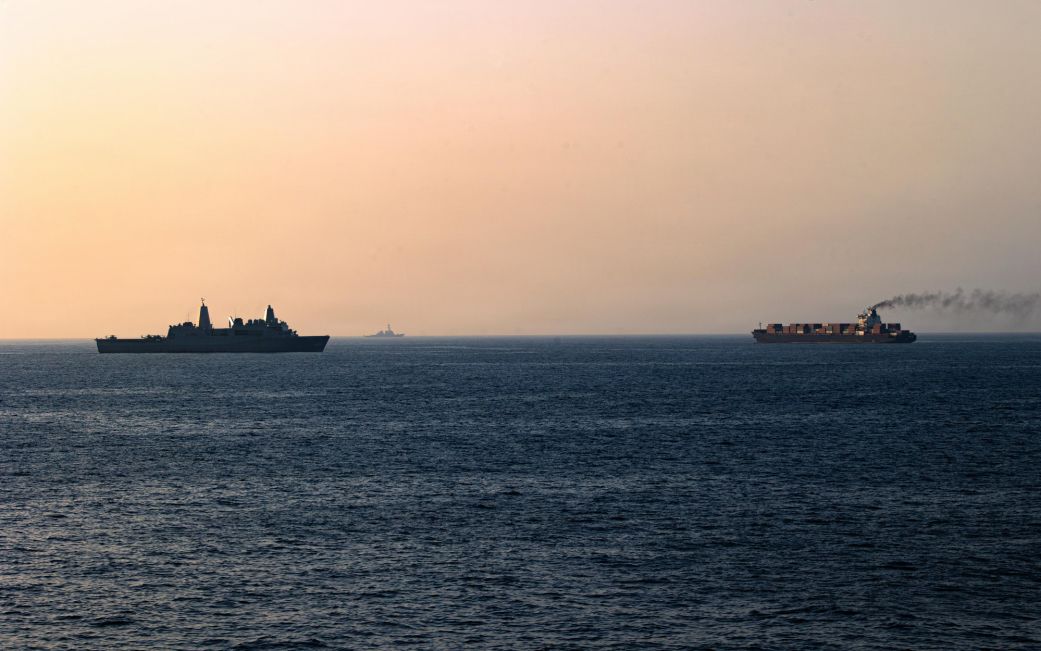
    The Strait of Hormuz is one of the most critical maritime routes in the world, responsible for a significant portion of global oil shipments. Any disruption here directly impacts international markets and energy prices. Over the past months, the ongoing 2026 Iran conflict has already caused instability, with ships being intercepted and routes being blocked.

    Because of its importance, control over this narrow passage has become a major objective for both sides. Iran has attempted to assert dominance by restricting access, while the U.S. has focused on maintaining open navigation.

    Ceasefire Under Pressure

    A temporary ceasefire between the U.S. and Iran was intended to ease tensions and reopen the strait. However, repeated violations and mutual accusations have weakened trust. Reports indicate that Iran has seized vessels and warned that reopening the strait may be “impossible” under current conditions.

    At the same time, U.S. officials have warned that the ceasefire is conditional. If negotiations collapse, military action could resume quickly, targeting key Iranian assets.

    U.S. Military Planning

    Recent developments reveal that the U.S. is shifting its military focus toward Iran’s naval defenses in and around the Strait of Hormuz. Instead of broader inland targets, the strategy emphasizes real-time targeting of Iranian naval forces, including mine-laying boats and fast-attack vessels.

    Additionally, U.S. naval forces have already been given aggressive directives. Orders have been issued to engage and destroy Iranian boats suspected of laying mines in the strait, highlighting the seriousness of the situation.

    This approach indicates a tactical shift: rather than escalating into full-scale war immediately, the U.S. may prioritize controlling the maritime battlefield first.

    Escalation Risks

    Despite ongoing diplomatic efforts, the risk of escalation remains high. Iran has demonstrated its ability to disrupt shipping by seizing commercial vessels and asserting control over the strait.

    Meanwhile, the U.S. has significantly increased its military presence in the region, deploying multiple aircraft carriers and enforcing a naval blockade.

    These actions increase the chances of direct confrontation. Even a small incident—such as a clash between naval forces—could rapidly escalate into a larger conflict.

    Global Impact

    Any military strike in the Strait of Hormuz would have far-reaching consequences. Oil prices could surge, global trade routes could be disrupted, and economic uncertainty would likely increase worldwide. Already, the crisis has stranded ships and affected international shipping operations.

    Countries dependent on oil imports are particularly vulnerable, making the stability of this region a global concern, not just a regional one.

    Conclusion

    The situation in the Strait of Hormuz remains highly volatile. While a ceasefire still offers a path toward de-escalation, preparations for military action show that both sides are ready for conflict if diplomacy fails. The U.S. plan to target Iran’s defenses reflects a strategic effort to secure one of the world’s most important waterways—but it also underscores how close the region is to another major escalation.

    In the coming days, the fate of the ceasefire will likely determine whether the crisis moves toward peace or deeper conflict.