Introduction
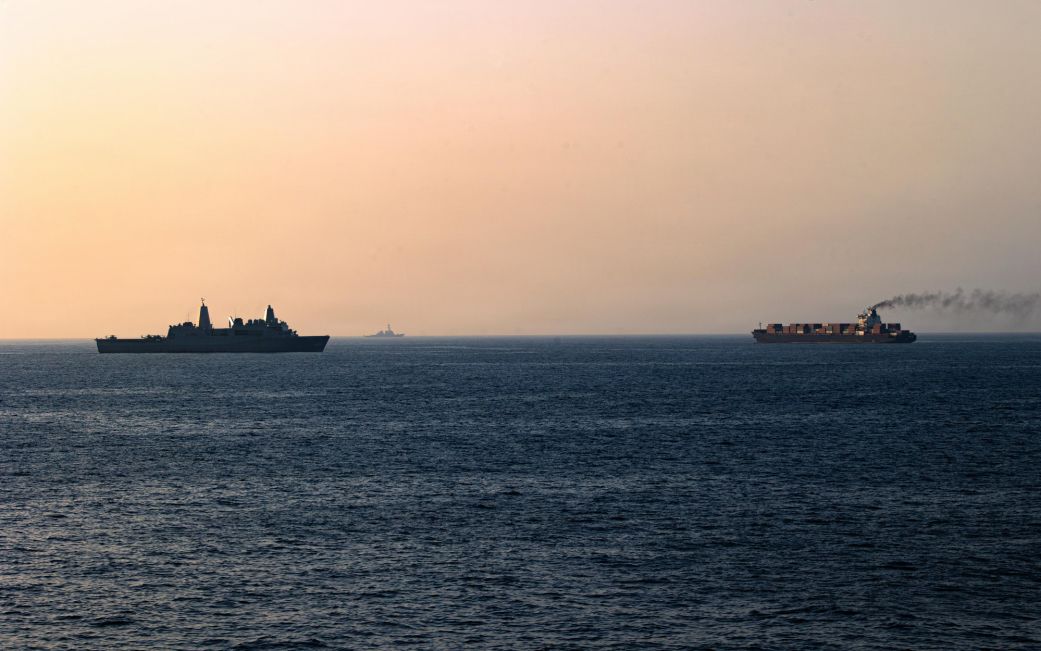
Rising tensions between the United States and Iran have once again put global security on edge. As a fragile ceasefire hangs in the balance, reports suggest that the U.S. military is actively preparing contingency plans to strike Iran’s defensive positions in the Strait of Hormuz. This strategic waterway, vital for global oil transport, has become the center of a high-stakes geopolitical conflict.
Strategic Importance of the Strait
The Strait of Hormuz is one of the most critical maritime routes in the world, responsible for a significant portion of global oil shipments. Any disruption here directly impacts international markets and energy prices. Over the past months, the ongoing 2026 Iran conflict has already caused instability, with ships being intercepted and routes being blocked.
Because of its importance, control over this narrow passage has become a major objective for both sides. Iran has attempted to assert dominance by restricting access, while the U.S. has focused on maintaining open navigation.
Ceasefire Under Pressure
A temporary ceasefire between the U.S. and Iran was intended to ease tensions and reopen the strait. However, repeated violations and mutual accusations have weakened trust. Reports indicate that Iran has seized vessels and warned that reopening the strait may be “impossible” under current conditions.
At the same time, U.S. officials have warned that the ceasefire is conditional. If negotiations collapse, military action could resume quickly, targeting key Iranian assets.
U.S. Military Planning
Recent developments reveal that the U.S. is shifting its military focus toward Iran’s naval defenses in and around the Strait of Hormuz. Instead of broader inland targets, the strategy emphasizes real-time targeting of Iranian naval forces, including mine-laying boats and fast-attack vessels.
Additionally, U.S. naval forces have already been given aggressive directives. Orders have been issued to engage and destroy Iranian boats suspected of laying mines in the strait, highlighting the seriousness of the situation.
This approach indicates a tactical shift: rather than escalating into full-scale war immediately, the U.S. may prioritize controlling the maritime battlefield first.
Escalation Risks
Despite ongoing diplomatic efforts, the risk of escalation remains high. Iran has demonstrated its ability to disrupt shipping by seizing commercial vessels and asserting control over the strait.
Meanwhile, the U.S. has significantly increased its military presence in the region, deploying multiple aircraft carriers and enforcing a naval blockade.
These actions increase the chances of direct confrontation. Even a small incident—such as a clash between naval forces—could rapidly escalate into a larger conflict.
Global Impact
Any military strike in the Strait of Hormuz would have far-reaching consequences. Oil prices could surge, global trade routes could be disrupted, and economic uncertainty would likely increase worldwide. Already, the crisis has stranded ships and affected international shipping operations.
Countries dependent on oil imports are particularly vulnerable, making the stability of this region a global concern, not just a regional one.
Conclusion
The situation in the Strait of Hormuz remains highly volatile. While a ceasefire still offers a path toward de-escalation, preparations for military action show that both sides are ready for conflict if diplomacy fails. The U.S. plan to target Iran’s defenses reflects a strategic effort to secure one of the world’s most important waterways—but it also underscores how close the region is to another major escalation.
In the coming days, the fate of the ceasefire will likely determine whether the crisis moves toward peace or deeper conflict.
Leave a Reply