Category: education

  • Good Schools in Dubai: Quality Education for Every Student

    Good Schools in Dubai: Quality Education for Every Student

    There is a word doing quiet damage in this city, and the word is good. Parents hear it and mentally file it under second best. In Dubai that reading is not just unfair, it is factually wrong, and it costs families real money every year. Good schools in Dubai are not the consolation bracket. They are the expected standard, and KHDA says so out loud.

    Good Is a Rating, Not an Adjective

    KHDA grades every private school on a six point scale: Outstanding, Very Good, Good, Acceptable, Weak, Very Weak. The wording matters. Good is defined as the level expected of every school in the emirate. Acceptable is the minimum required. Those are two different bars, and the gap between them is where most of the confusion lives.

    Look at the distribution. Dubai currently has 23 Outstanding schools, 48 Very Good, 81 Good, 48 Acceptable and two rated Weak. Good is the single largest band in the city, and roughly 150 schools sit at Good or above. Anyone working through acomplete schools in Dubai guide is mostly looking at schools that are meeting or beating the standard, not scraping past it.

    Why Excellent Schools Land on Good

    This is the mechanism nobody explains at the tour, and it explains most of the band.

    Arabic and Islamic education are weighted assessment areas in the framework, and they pull on the overall judgement regardless of curriculum. A school delivering genuinely strong British or IB teaching can finish on Good because its Arabic provision was rated Acceptable. The headline flattens all of that into one word.

    Read the Report, Not the Grade

    The full inspection report is free and it breaks performance down by area. A school can be Good overall and Outstanding for teaching, or Good overall with a weakness you would actually care about. The grade cannot tell those two apart. The report can, in about ten minutes. Those ten minutes count most at secondary transition, which is why families comparing thebest secondary schools in Dubai should open the report before booking the tour.

    And price is no shortcut either. Some of the most expensive schools in Dubai hold a Good rating, while some strong ones charge mid range fees. The correlation people assume simply is not there.

    What the Grade Cannot Tell You Right Now

    Timing matters this year more than usual. Every published rating dates from the 2023 to 24 inspection cycle, because full inspections were paused for two years.

    That ends on 31 August 2026, when quality assurance visits resume with no more than 24 hours’ notice, so inspectors see an ordinary day rather than a rehearsed one. Reports will also publish teacher turnover and teacher to student ratios again, both missing from the last round, and staff churn is the most honest health check a school has.

    So judging Good schools in Dubai on a two year old grade is reading history. Ask what changed since 2024 instead, because that is exactly what inspectors are about to ask.

    The Fit Question

    Here is what no band can capture. The right school for a quiet, anxious child is often not the one topping the table, and a confident child can thrive somewhere a ranking would sniff at.

    Think about the exit too. Whether your child heads abroad or stays, and astudy in UAE guide is worth a read before that decision arrives, the question is whether the school can get your particular child there. That is not something a grade knows.

    My Honest Position

    Stop shopping for a word. Twenty three schools cannot educate 387,000 children, and they were never meant to.

    Read the report rather than the headline, notice whether the weakness is Arabic or actually teaching, ask what the last two unwatched years produced, and judge the answers. The Good schools in Dubai doing that well are frequently the better buy. When one convinces you,apply now rather than waiting for a label to grant permission.

  • Screen Time and Children: How to Build Healthy Digital Habits

    Screen Time and Children: How to Build Healthy Digital Habits

    Every parent I know can tell you roughly how many hours their child spent on a screen yesterday. Almost none of them can tell you what that number means. We have made screen time for children the most trusted metric in modern parenting, and it is close to the least useful one.

    That is not permission to hand over the iPad. It is an argument for measuring something better. Here is what the guidance actually says, what the research actually found, and where the two get misreported.

    The Official Limits Stop at Age Five

    The figures most often quoted at parents about screen time for children come from the World Health Organization’s 2019 guidance, and they are specific. Note the age range before you use them:

    • Under 1: sedentary screen time is not recommended at all
    • 1 year: still none
    • 2 years: no more than one hour, and less is better
    • 3 to 4 years: no more than one hour, and less is better

    That is the whole list. It stops at four, and it never travels alone: for three and four year olds WHO pairs it with ten to thirteen hours of good quality sleep, naps included, and regular sleep and wake times. Younger children need more. When a small child is sitting still, WHO suggests reading and storytelling with a caregiver instead of a screen.

    Nobody Mentions What Happens Next

    Here is the part that surprises people. WHO’s 2020 guidance for ages five to seventeen covers physical activity and sedentary behaviour, but it sets no screen hour limit at all.

    Read that again. There is no WHO number for screen time for children over five. The widely repeated two hour figure comes from the Canadian 24 Hour Movement Guidelines, which recommend up to two hours of recreational screen time alongside at least sixty minutes of activity and nine to eleven hours of sleep. Useful, reasonable, and not the global commandment it is treated as.

    Which raises a question parents rarely ask. Once a child is five, most of the waking day is designed by somebody else, yet families working through the Top 10 Schools in Dubai will interrogate exam results and swimming pools without once asking how many hours of that timetable are spent in front of a device.

    What the Research Actually Found

    In 2019, Oxford researchers Amy Orben and Andrew Przybylski published what was then the most rigorous analysis of the question in Nature Human Behaviour, drawing on data from more than 300,000 teenagers and parents across the UK and US. The debate has moved on since, but this finding has not been dislodged.

    The association between technology use and adolescent wellbeing was negative, and it explained at most 0.4 per cent of the variation. For context, they noted that regularly eating potatoes has a comparable association, and that wearing glasses has a more negative one.

    Why Every Headline Contradicts the Last One

    This is the finding that should change how you read the news. Across the three datasets, the team identified over 600 million possible ways to analyse the same data. Depending on the choices a researcher makes, you can produce a harmful result, a beneficial one, or nothing at all. Przybylski put it bluntly: selective reporting is endemic to this debate.

    So when the next study tells you screen time for children is destroying a generation, and the one after says it is fine, they may both be technically correct and equally useless. The honest position is that the raw hour count predicts very little.

    The Metric That Actually Works

    WHO framed its guidance as a 24 hour question, not a screen question, and that framing is the whole insight. Screens matter mainly through what they push out of the day.

    So stop counting hours and audit displacement instead. Did the screen eat the sleep? Did it eat the movement? Did it eat the conversation at dinner, or the reading, or the friendship? A child who watches two hours after a day of football, homework and a family meal is in a different position from one who watched ninety minutes instead of sleeping. Identical numbers, opposite outcomes.

    That reframing has the further advantage of being enforceable, which brings us to the awkward part: your child’s school controls more of those 24 hours than you do.

    The Part Where School Makes It Complicated

    There is something faintly absurd about policing screen time for children at home while the school issues an iPad in Year 4.

    I am not against devices in classrooms. I am against the incoherence. If a Dubai British School has a genuine reason for a device in a nine year old’s hands, it should be able to say what that reason is, how long the device is actually used each day, and what it replaced. If the honest answer is that a screen replaced a worksheet, that is a smaller claim than the marketing usually makes.

    Ask the question at the tour. The answer tells you a great deal about how a school thinks.

    What I Would Actually Do

    Throw away the tally. It measures the one thing that does not predict much, and it turns every evening into a negotiation with a stopwatch.

    Protect sleep like it is non negotiable, because it is. Get the movement in. Eat together. Then let the leftover time be leftover time, and spend your attention on what your child is doing on the screen rather than for how long, because a child building something is not the same as a child scrolling, and no timer has ever known the difference.

    Managing screen time for children well is mostly about being honest, including with yourself about your own phone at the dinner table. If you are weighing up schools and want one that thinks carefully about the whole day rather than only the lesson, the list of Admission open schools in Dubai shows where places remain.

    Frequently Asked Questions

    How much screen time is healthy for children?

    Under five, WHO is specific: none for babies and one year olds, no more than an hour for two to four year olds, and less is better. Above five, no WHO limit exists. The commonly cited benchmark of two hours of recreational screen time comes from the Canadian 24 Hour Movement Guidelines, paired with sixty minutes of activity and nine to eleven hours of sleep. Sensible screen time for children over five is whatever is left once sleep, movement, school and human contact have been protected.

    How does screen time affect learning?

    Less directly than the headlines imply. The 2019 Oxford analysis of more than 300,000 teenagers found that technology use explains at most 0.4 per cent of adolescent wellbeing, and the same analytical flexibility that produces alarming numbers can produce reassuring ones. The reliable mechanism is displacement: screen time for children damages learning most clearly when it takes sleep, and a tired child cannot retain anything. Content and context matter more than the clock.

    How do I set screen time rules?

    Set boundaries around the things you are protecting rather than around the device. Sleep first: screens out of the bedroom and off well before bed. Then movement, meals and homework. Whatever remains is negotiable. Rules built on screen time for children as a countdown timer invite argument every single day; rules built on protected activities settle themselves, because the child can see what the rule is for. It helps enormously when the school reasons the same way, which is the ground Why the scholars covers.

  • British School Admission in Dubai: The Complete Checklist of Requirements and Documents

    British School Admission in Dubai: The Complete Checklist of Requirements and Documents

    Getting the paperwork right is often the most stressful part of enrolling a child in a new school. A clear checklist for British school admission in Dubai takes the guesswork out of the process, helping families gather everything they need before they even apply. This guide sets out the key requirements and documents in one place, so you can move from application to enrolment smoothly and without frustrating delays. A little organisation now saves hours later, and it means your child can settle into their new school without the disruption of missing or incomplete paperwork.

    What British School Admission in Dubai Requires

    Before gathering documents, it helps to understand the basic requirements. British school admission in Dubai depends on a few essentials: a valid residence visa and Emirates ID for both the child and the parents, an age that matches the correct year group under KHDA rules, and a completed application form. Taking time to compare the Best Private Schools in Dubai first also ensures you apply to the school that genuinely fits your child. It is also wise to confirm the correct entry age and year group early, since these follow fixed KHDA cut-off dates that cannot be adjusted on request.

    Your Complete Document Checklist

    Preparing your documents early is the single best way to keep the process moving. Gather these items before you apply, and keep both originals and clear copies to hand.

    Identity and Residency Documents

    Start with the essentials that confirm eligibility. You will need your child’s passport copy, valid UAE residence visa, and Emirates ID, along with the same identity documents for the parents. Confirming the School Fees in Dubai and payment terms at this stage also helps you budget accurately before committing to a place. Keeping digital scans of every document in one folder makes uploading them to the school portal quick and painless when the time comes.

    Academic and Medical Records

    Schools need a clear picture of each child’s history. Prepare recent school report cards, a transfer or leaving certificate from the previous school, and up-to-date medical and vaccination records. For families moving from outside the UAE, these documents often need attestation, so allow a little extra time. The Dubai Scholars Guide explains exactly which papers each year group requires. Requesting these records from a previous school well ahead of time is sensible, as busy admissions offices can sometimes take a while to respond.

    Requirements to Finalise British School Admission in Dubai

    Once the school makes an offer, a few final steps secure the place. Complete the KHDA registration, sign the Parent School Contract, and pay the initial fee to confirm enrollment. Checking the Dubai Scholars Calendar for assessment and enrolment dates keeps everything on track, so nothing important slips past a deadline.

    Why Dubai Scholars Makes the Process Easy

    For families who value clarity, Dubai Scholars turns a potentially complex process into a simple, guided one. As a British curriculum school regulated by KHDA, it offers transparent requirements, a supportive admissions team, and clear communication at every stage. Decades of experience mean the school knows exactly how to help newcomers settle in quickly and confidently. Parents are guided personally through each requirement, which removes uncertainty and gives families the reassurance that every box has been ticked before the first day arrives.

    Completing British School Admission in Dubai with Confidence

    In the end, British school admission in Dubai is simply a matter of preparation. Gather your documents early, meet each requirement, and follow the school’s guidance step by step. Approached this way, the paperwork becomes a straightforward checklist rather than an overwhelming hurdle. With its clear checklist, trusted reputation, and caring team, Dubai Scholars helps families complete every stage smoothly and start the school year with real peace of mind.

  • O Level Schools in Sharjah: Excellence in British Secondary Education

    O Level Schools in Sharjah: Excellence in British Secondary Education

    For families seeking a rigorous secondary education, exploring o level schools in Sharjah is an important step toward a bright academic future. The term “O Level” has long been associated with high-quality British secondary study, and today that same tradition of excellence lives on through internationally recognised qualifications such as the IGCSE. Choosing a school with a strong secondary programme gives students the knowledge, discipline, and confidence they need to thrive at university and beyond. Understanding what a strong secondary school offers, and how modern British qualifications work, helps parents make a confident, well-informed choice.

    What to Expect from O Level Schools in Sharjah

    The best o level schools in sharjah offer far more than examinations. They provide a structured, challenging curriculum delivered by skilled teachers who understand how to bring each subject to life. Students explore the sciences, mathematics, languages, humanities, and the arts in real depth, building the critical-thinking and independent-study skills that shape lifelong learners. Regular assessment and clear feedback keep students on track, while dedicated guidance ensures each learner is supported toward their individual goals.

    It is worth understanding how the qualification has evolved. What many parents still call the O Level is now most commonly delivered through the IGCSE, the modern British secondary qualification respected by universities worldwide. Whichever name is used, the goal remains the same: a rigorous, well-rounded education that prepares young people for success.

    Building Strong Foundations Early

    Excellence at secondary level begins years earlier, with a nurturing and stimulating start to school life. A high-quality early years foundation stage nursery helps children develop language, curiosity, and confidence through play, laying the groundwork for everything that follows.

    When these early foundations are strong, students move into secondary study ready to take on greater challenges. This seamless progression is one of the defining strengths of a well-designed British curriculum. Children who feel secure and inspired in their earliest years tend to approach later challenges with resilience and a genuine love of learning.

    Why SIA Stands Out for British Secondary Education

    At Scholars International Academy, secondary students are guided by experienced, UK-trained teachers who combine high expectations with genuine care. Widely regarded as a top school in sharjah, it offers a supportive environment where every learner is encouraged to achieve their personal best.

    As one of the leading o level schools in sharjah, the school delivers a British secondary programme built on rigour, wellbeing, and ambition. Regulated by the Sharjah Private Education Authority (SPEA), it maintains consistent standards and full transparency, giving families complete peace of mind. Small class sizes allow teachers to know each student well, offering personalised attention that helps every young person reach their full potential.

    Frequently Asked Questions

    What do o level schools in sharjah offer?

    They offer a demanding, well-structured British secondary curriculum that prepares students for higher study. Alongside strong academic results, pupils develop confidence, discipline, and independent thinking through expert teaching and dedicated support.

    Is the O Level the same as the IGCSE?

    In most modern British schools, the qualification once known as the O Level has been replaced by the IGCSE. Both represent rigorous secondary study, and the IGCSE is now the internationally recognised standard valued by universities across the world.

    What comes after secondary school?

    Most students progress to A Levels, allowing them to specialise before applying to university. The admissions team can explain the available subject combinations and university pathways, helping families plan each step with confidence. Choosing from the leading o level schools in sharjah helps ensure a smooth and confident transition into this important next stage.

    Conclusion

    Selecting from the finest o level schools in sharjah gives your child a powerful foundation for future success. With a respected British curriculum, dedicated teachers, and a genuine commitment to every learner, Scholars International Academy helps students excel at secondary level and step confidently toward university and a rewarding career.

  • The Benefits of High Performance Learning: Unlocking Every Child’s Full Potential

    The Benefits of High Performance Learning: Unlocking Every Child’s Full Potential

    Every parent hopes their child will thrive at school, yet traditional systems often assume that only a select few can reach the very top. High Performance Learning turns that idea on its head. By believing in the potential of every child, it opens a genuine path to success, and the benefits of High Performance Learning reach far beyond exam results.

    Rooted in decades of research, this approach is now transforming classrooms around the world, from the UK to the UAE. Here is why it matters so much for your child, and how it works in practice.

    What Is High Performance Learning?

    High Performance Learning, or HPL, is an evidence-based teaching framework developed over four decades by Professor Deborah Eyre. It rests on a simple but powerful principle drawn from research in neuroscience and psychology: intelligence is not fixed, and with the right support, every child can achieve at the highest levels. HPL sets aside the outdated idea that only a small minority can perform highly.

    Rather than labelling students by ability, HPL sets high expectations for all. It weaves together two strands of development, the advanced thinking skills that high performers use and the values and attitudes that successful learners share. These competencies are then embedded across every subject and year group, shaping the culture of the whole school.

    The Key Benefits of High Performance Learning

    The benefits of High Performance Learning touch every part of a child’s development, from how they think to how they face a challenge.

    High Expectations for Every Child

    Because HPL assumes that high performance is possible for everyone, it lifts aspirations across the whole school. No child is written off, and every learner is encouraged and equipped to aim high, whatever their starting point. This inclusive belief benefits all children, including students of determination, who gain confidence, resilience, and stronger self-regulation as a result. In short, it makes room at the top for many more young people, rather than reserving success for a lucky few.

    Skills and Character for Life

    Another of the benefits of High Performance Learning is the character it builds alongside academic skill. Children develop advanced abilities such as critical thinking and problem-solving, together with values like resilience, curiosity, collaboration, and empathy. They learn not only what to think, but how to think, and how to keep going when things get difficult. Because these skills are transferable, they strengthen learning across every subject and remain valuable long after school ends, whether at university or in the workplace.

    Preparing Children for the Future

    Perhaps the greatest of the benefits of High Performance Learning is how well it prepares children for life beyond the classroom. Confident, adaptable, and intellectually curious, HPL learners are well placed for university, the modern workplace, and a fast-changing world. Grades still matter, of course, but the deeper aim is to nurture socially confident young people with a genuine concern for others.

    You can see this philosophy in action on SIA’s HPL page, where high expectations and genuine care come together to bring out the best in every student.

    Unlocking Your Child’s Potential

    Ultimately, the benefits of High Performance Learning come down to a single idea: every child, whatever their background, deserves the chance to excel. By nurturing both the mind and the character, HPL helps young people grow into capable, confident individuals who are ready for whatever lies ahead.

    To explore how this approach could shape your child’s journey, discover our SIG Learning Series and speak with our team about giving your child a future full of possibility.

  • DTU’s Penn State Standard Curriculum: An “imported” Program from Pennsylvania State University

    Without leaving Vietnam, DTU students can study a Penn State-standard curriculum transferred directly from Pennsylvania State University (Penn State), USA. The program provides students with access to an advanced American education while helping them develop professional competencies in an internationally standardized learning environment.

    Pennsylvania State University (PSU) is one of the United States’ leading public universities, with more than 170 years of development. Accredited by the Middle States Commission on Higher Education (MSCHE), Penn State is widely recognized for its strengths in Business, Management, and Hospitality education.

    DTU’s partnership with Pennsylvania State University has provided students with access to world-class academic programs for many years

    Launched in 2010 through a strategic collaboration between Duy Tan University and Pennsylvania State University (Penn State, USA), the PSU advanced program offers students the opportunity to study under American academic standards at an affordable cost.

    With the transfer of 42 courses from PSU, DTU students gain access to an up-to-date curriculum, innovative teaching methodologies, and an internationally oriented learning environment. The Advanced PSU Program offers the majors, including Business Administration, Accounting & Auditing, Finance & Banking, International Hotel Management (UNWTO.TedQual Certified), and International Restaurant Management (UNWTO.TedQual Certified), to help students develop strong disciplinary knowledge, practical professional skills, and a global mindset.

    A key distinguishing feature of the program is its “Ready to Work” educational model, which bridges academic learning with real-world business needs. Alongside a solid foundation of disciplinary knowledge, students learn through Project-Based Learning (PBL), participate in real-world projects, undertake Capstone projects, undertake internships with companies, and strengthen essential competencies such as problem-solving, critical thinking, teamwork, and the effective application of technology in today’s professional environment.

    Internships with leading companies give DTU students the confidence to enter the professional world

    The program is delivered by experienced lecturers with educational backgrounds at international universities, who possess extensive industry experience and continuously update their expertise to keep pace with emerging industry trends. As a result, the curriculum remains closely aligned with business needs, enabling students to acquire cutting-edge knowledge and enhance their career readiness throughout their studies.

    With its modern teaching approach and strong industry engagement, DTU’s PSU Standard Curriculum, transferred directly from Pennsylvania State University, not only provides students with internationally recognized knowledge and qualifications but also prepares them with the competencies needed to pursue career opportunities in Business, Management, Finance, and Hospitality industries worldwide.

    Founded in 1994, Duy Tan University is the first and largest private university in Central Vietnam. Located in Da Nang City, Duy Tan University is multidisciplinary and diversified institution, with core strengths in Information Technology, Health Sciences, Tourism, and Engineering. Committed to internationalization, Duy Tan University has established academic partnerships with leading American universities such as Carnegie Mellon University and Purdue University. Duy Tan University is also consistently ranked among Asia’s leading universities and has earned prestigious international accreditations, including ABET and UN Tourism TedQual. Website: duytan.edu.vn  
  • Planning Study Abroad? These Hidden Costs Will Shock You

    Planning Study Abroad? These Hidden Costs Will Shock You

    When I started planning to study abroad, I thought the biggest expense would be tuition.

    Turns out, tuition is just the beginning.

    Between visa fees, accommodation deposits, flights, and basic survival in a new country, the costs add up faster than your university email replies.

    1) Tuition is not your only “big” expense

    Yes, tuition is huge. But it’s also the one thing students already expect.

    What hits you unexpectedly are the payments that come before your classes even begin like deposits, embassy fees, and initial rent. Sometimes these payments happen within the same 2–3 weeks, and that’s stressful if your savings are limited.

    This is where many students start looking at education financing options like an NBFC because the loan can cover more than just tuition.

    2) The “before you fly” costs are real (and unavoidable)

    Even before you land in your study destination, you’ll spend a lot. Examples:

    • Visa application fees
    • Biometrics / VAC appointment charges
    • Medical tests (if required)
    • University deposit to confirm your seat
    • Flight tickets (and extra baggage is not cheap)
    • Forex charges while converting INR to a foreign currency

    These are not luxury expenses. They’re the entry ticket to your new life.

    A lot of students assume they’ll manage these from home savings, and then later use a loan for tuition. But many times, you need funds upfront especially for deposits and flights.

    3) Accommodation and deposits: the silent budget killer

    Rent abroad is a different game.

    In many cities, landlords ask for:

    • 1 month rent in advance
    • 1 month security deposit
    • Sometimes even 2 months deposit

    And if you’re staying in student housing, you may need to pay a big amount in one go.

    Plus, you might need to buy basics immediately:

    • Mattress, pillow, blanket
    • Kitchen items
    • A table or chair for studying
    • Local SIM and internet setup

    Even if you’re living “minimal,” the first month is expensive.

    This is one reason students consider an NBFC education loan—because it can help cover the full start-up cost of settling abroad.

    4) Your laptop, course tools, and study materials matter

    People love saying “you can manage with a basic laptop.”  But depending on your course, you might genuinely need more.

    For example:

    • Data science students may need a decent processor
    • Design students may need paid software and storage
    • Business students often need subscriptions, printing, and case study materials

    And honestly, even if your course doesn’t demand it, your laptop is your main survival tool abroad.

    This is also why many education loan plans include study-related equipment and expenses.

    5) Banks vs NBFC: what students usually compare

    Most students start by checking bank loans first. That’s normal.

    But many students also explore NBFC options because they want:

    • A broader coverage of expenses (not just tuition)
    • Faster clarity on what amount they may get
    • Flexible structures depending on the profile

    Not every student’s case is the same. Some have a strong co-applicant, some don’t. Some are going for STEM programs, some for humanities. So it helps to compare options calmly instead of assuming only one path exists.

    6) A quick checklist before applying for an education loan

    Before you apply anywhere, keep these ready:

    • Offer letter / university details
    • Total fee structure (tuition + other charges)
    • Passport and basic KYC documents
    • Co-applicant income proof (if needed)
    • Rough expense estimate for living costs
    • Your expected timeline (when payments are due)

    Also, don’t wait till the last minute. Even simple delays can create panic when your visa date is close.

    If you want to avoid wasting time, you can check your eligibility early so you have a clearer idea of what’s possible before planning your payments.

    Conclusion

    Studying abroad is exciting, but the money part can feel overwhelming if you only plan for tuition.

    My honest advice?
    Make a full list of expenses: visa, rent, deposit, laptop, flights, forex, and the first month of survival. Then explore your financing options, including an NBFC, with a realistic budget in mind.

    Because once you land abroad, the last thing you want is stress about money when you should be focusing on settling in and studying.

  • How to Create a Long-Term Career Vision Plan

    How to Create a Long-Term Career Vision Plan


    Building a long-term career vision is one of the most strategic steps you can take to shape your professional future. A career vision plan serves as a roadmap that helps you move with clarity, stay motivated, and make purposeful decisions throughout your professional journey. Without a clear vision, many individuals end up switching jobs without direction, feeling unsatisfied, or struggling to grow in their field. A structured plan prevents this confusion and guides you toward meaningful progress.

    Below is a detailed, step-by-step process to create an effective long-term career vision plan.

    1. Understand the Importance of a Career Vision

    A career vision is not just a goal—it is a direction that guides all your professional choices. It helps you:

    • Identify what kind of work aligns with your strengths.
    • Understand the type of environment where you perform best.
    • Stay focused on long-term growth rather than short-term distractions.
    • Measure progress and track achievements over time.

    Your vision should describe where you want to be in the next 5, 10, or 20 years, not just what job you want next.

    2. Conduct Self-Reflection and Self-Assessment

    Before creating a career plan, you must understand yourself. Reflect on the following areas:

    a) Strengths and Talents

    What are you naturally good at?
    This could be communication, planning, problem-solving, leadership, creativity, or technical skills.

    b) Interests and Passions

    What kind of work brings satisfaction or excitement?
    For example, teaching, designing, managing people, analyzing data, etc.

    c) Values

    What matters most to you in your professional life?

    • Stability
    • Growth
    • Creativity
    • Freedom
    • Impact
    • Earning potential

    When your career aligns with your values, work feels meaningful.

    d) Personality Type

    Your working style affects job satisfaction. Some people prefer team collaboration; others prefer independent work.

    3. Research Career Paths and Opportunities

    Once you understand yourself, research careers that match your strengths and interests.

    You can explore:

    • Job portals (LinkedIn, Indeed, Glassdoor)
    • Industry reports
    • Professional forums
    • Career-focused YouTube channels and blogs
    • Talking to professionals already working in your target roles

    Study:

    • Daily responsibilities of the job
    • Required qualifications or certifications
    • Expected salary and growth opportunities
    • Work environment (remote, office, hybrid)

    This research helps you choose a realistic and fulfilling direction.

    4. Define Your Long-Term Career Vision Statement

    Create a vision statement that clearly describes your dream professional future.
    It should include:

    • Your ideal role
    • The industry or field
    • Your level of responsibility or leadership
    • Impact you want to make

    Example Vision Statement:

    “In the next 10 years, I see myself as a Senior Marketing Strategist leading a global team, working in a creative agency, and helping brands grow through innovative digital campaigns.”

    This statement guides your decisions and keeps your motivation strong.

    5. Break the Vision into Achievable Milestones

    Big dreams can feel overwhelming. Break them into manageable goals:

    Time FrameExample Milestones
    Short-Term (6–12 months)Learn new skills, complete certifications, build a portfolio
    Mid-Term (1–5 years)Gain industry experience, work under mentors, take on leadership tasks
    Long-Term (5–10 years)Reach senior roles, lead projects or teams, innovate in your field

    This structured approach helps you move step-by-step.

    6. Create a Skills and Learning Roadmap

    Every career vision requires skill development. Identify:

    • Technical skills (software, tools, professional knowledge)
    • Soft skills (communication, teamwork, leadership)
    • Industry knowledge (market trends, new technologies)

    Then make a learning plan:

    • Online courses (Coursera, Udemy, LinkedIn Learning)
    • Books, podcasts, blogs
    • Workshops and industry conferences
    • Mentorships and internships

    Learning must be continuous, not one-time.

    7. Build a Professional Network

    Networking accelerates career growth.
    Connect with:

    • Professionals in your desired field
    • Alumni groups
    • LinkedIn communities
    • Mentors and industry experts

    Ways to strengthen your network:

    • Attend webinars and business events
    • Engage with posts on LinkedIn
    • Ask questions, share opinions, and offer help
    • Stay consistent in communication

    A strong network opens opportunities that may not be advertised publicly.

    8. Review and Refine Your Career Plan Regularly

    Your goals and circumstances may change over time.
    So review your plan every:

    • 6 months
    • Yearly
    • After major achievements or setbacks

    Make adjustments based on:

    • New interests
    • Market trends
    • Personal priorities
    • Opportunities available

    This keeps your vision realistic and flexible.

    9. Track Your Progress and Celebrate Achievements

    Keep a record of:

    • Skills learned
    • Projects completed
    • Feedback received
    • Promotions and accomplishments

    Celebrate progress, even small wins.
    It increases confidence and keeps motivation strong.

    10. Stay Consistent, Patient, and Resilient

    A long-term career plan is not built overnight.
    Challenges and failures are part of the journey.
    Stay committed, keep learning, and adjust when necessary.

  • How to Format References Correctly in College Reports

    How to Format References Correctly in College Reports

    Formatting references can feel like the most boring part of writing — but it’s one of the most important. Proper referencing shows respect for others’ work and protects you from plagiarism. It also makes your report look polished and professional.

    Every college uses a specific citation style, such as APA, MLA, or Chicago. Each has different rules for in-text citations and reference lists, so it’s important to follow the one your instructor requires.

    1. Understand why referencing matters

    Referencing isn’t just about rules. It helps readers trace where your ideas come from, check your evidence, and explore sources further. It’s a sign that your work is built on solid research.

    2. Keep track of sources from the beginning

    Don’t wait until the end of your report to gather citations. As you research, write down details for every book, article, or website — author name, year, title, publisher, and page numbers. This habit saves hours later.

    3. Know the basics of in-text citation

    • APA style: (Smith, 2020)
    • MLA style: (Smith 45)
    • Chicago style: uses footnotes or endnotes.

    Each time you use someone else’s idea, you must cite it — even if you paraphrase it in your own words.

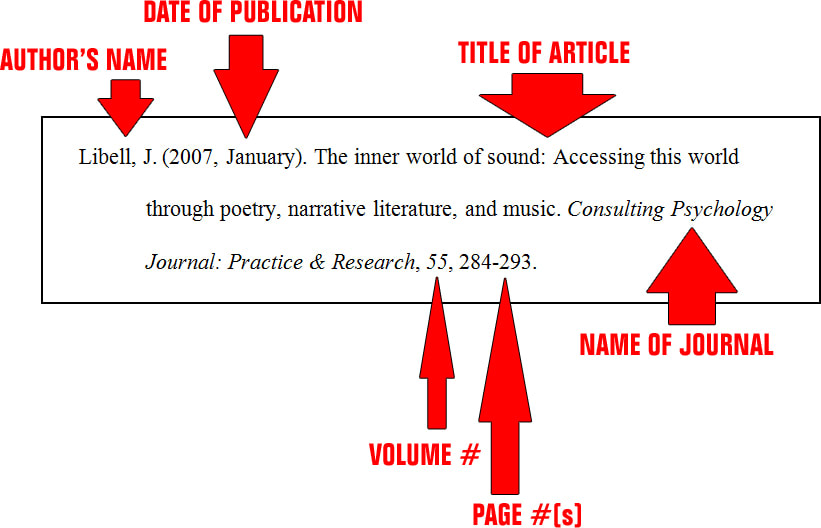
    4. Format the reference list correctly

    At the end of your report, list all your sources alphabetically by the author’s last name.
    Examples:

    APA:
    Smith, J. (2020). Understanding Human Behavior. Oxford University Press.

    MLA:
    Smith, John. Understanding Human Behavior. Oxford University Press, 2020.

    Chicago:
    Smith, John. Understanding Human Behavior. Oxford: Oxford University Press, 2020.

    Notice how punctuation and order differ — that’s why double-checking your style guide is important.

    5. Use citation tools wisely

    Free tools like ZoteroBib, CiteThisForMe, or Mendeley can format references automatically. Just enter the title or URL. But don’t trust them blindly — always proofread the result against your official style guide.

    6. Be consistent

    If you start using APA, don’t switch to MLA halfway through. Inconsistency looks careless. Stick to one format from start to finish.

    7. Include all types of sources

    Books and journals aren’t the only references. You may also cite websites, videos, interviews, or government reports. Just make sure you include full details — like access dates for web sources.

    8. Avoid common mistakes

    • Missing italics for book titles.
    • Forgetting commas or periods in reference lists.
    • Citing secondary sources instead of reading the original.
    • Using “et al.” incorrectly (in APA, use it for three or more authors after first mention).

    9. Check before submitting

    Many students lose marks simply for formatting errors. Before submitting, use your word processor’s “References” or “Bibliography” feature to check spacing and alignment — most formats require hanging indents.

    Final Thought:
    Accurate references show discipline and honesty. They prove your research is grounded in real evidence. Mastering citation style may seem small, but it’s one of the clearest signs of academic maturity.

  • Critical Thinking Exercises for Writing Stronger Essays

    Critical Thinking Exercises for Writing Stronger Essays

    Critical thinking is the secret ingredient behind every strong academic essay. It means going beyond memorizing facts — it’s about analyzing, questioning, and making connections between ideas. When you think critically, you write with more clarity and purpose.

    The problem is that many students write essays by simply repeating what sources say. They collect quotes, summarize information, and stop there. But good essays don’t just describe ideas — they evaluate them. Critical thinking gives your writing depth.

    Let’s look at a few simple exercises to build this skill.

    1. Ask “Why?” and “How?” questions

    After reading each source, ask yourself:

    • Why did the author write this?
    • How do they support their claims?
    • Why does this matter to my topic?
      These questions push you to think beyond surface-level facts. You start noticing assumptions, logic, and evidence — all key to critical thinking.

    2. Compare and contrast different views

    When two sources disagree, don’t choose one right away. Instead, list their arguments side by side. Ask: what are their strengths and weaknesses? Which one uses stronger evidence? This comparison helps you form your own reasoned opinion.

    3. Play devil’s advocate

    Take your main argument and argue against it. Try to prove yourself wrong. This forces you to find weaknesses in your reasoning — and fix them before writing. It’s one of the fastest ways to strengthen your argument.

    4. Use the “PEE” method

    A good essay paragraph includes:

    • Point – your main idea.
    • Evidence – proof from research.
    • Explanation – your analysis of why the evidence supports your point.
      Practicing this structure makes your writing logical and well-supported.

    5. Mind mapping

    Draw your topic in the middle of a page and branch out ideas, questions, and related themes. Seeing connections visually can spark new insights and help you organize your argument better.

    6. Reflect on your assumptions

    Every writer brings biases — even without realizing it. Ask yourself what beliefs shape your interpretation of a topic. Recognizing bias helps you stay fair and balanced.

    7. Discuss with others

    Talking about your ideas with classmates or teachers can challenge your thinking. Others might point out angles you missed or ask questions that lead to deeper analysis.

    8. Evaluate sources carefully

    Critical thinkers don’t treat every source as equal. Ask: Is the source recent? Is it credible? Does it have evidence or just opinions? Reliable sources make your essay stronger.

    9. Write reflection summaries

    After reading research, write a short summary — not just of the content, but of what you think about it. This builds the habit of analysis instead of passive reading.

    10. Revisit your drafts

    After writing an essay, come back a day later and ask:

    • Does every paragraph connect to my main argument?
    • Have I explained “why” enough?
    • Could someone disagree with my points — and if so, how would I respond?
      This reflective step turns simple writing into analytical writing.

    Final Thought:
    Critical thinking isn’t a one-time skill — it’s a mindset. When you constantly question, compare, and reflect, your essays become sharper and more convincing. Strong writers are strong thinkers first.