Category: education

  • How to Write Persuasive Argumentative Essays

    How to Write Persuasive Argumentative Essays

    Argumentative essays are all about convincing the reader to see things your way. They require logic, evidence, and clear structure. But persuasion isn’t just about being loud — it’s about being smart, organized, and fair.

    The first step is choosing a strong topic. Pick something you care about and understand well. A topic that’s too broad will feel messy, while a topic that’s too narrow might not have enough evidence. For example, instead of “Education,” choose “Should college be free for everyone?”

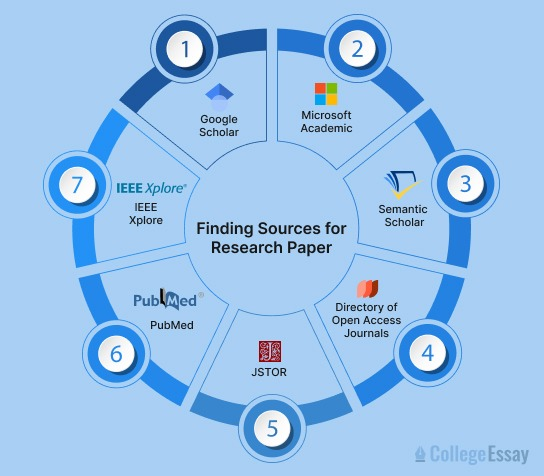
    Once you have your topic, research deeply. A persuasive essay depends on facts, not feelings. Use reliable sources — academic journals, books, and credible websites. The stronger your evidence, the more convincing your essay will be.

    The next step is creating a clear thesis statement. This is your main argument in one sentence. For example: “College should be free for all students because education is a basic right.” Every paragraph in your essay should support this thesis.

    A persuasive essay usually follows a clear structure:

    • Introduction: Introduce the topic and state your thesis.
    • Body paragraphs: Present arguments and evidence. Each paragraph should discuss one point clearly.
    • Counterargument: Acknowledge the opposite view and explain why it’s weaker.
    • Conclusion: Summarize your main points and restate your thesis confidently.

    Tone matters too. Stay respectful, even when disagreeing. Avoid emotional or aggressive language. Instead of saying, “People who oppose this are wrong,” try, “Some argue against this policy, but evidence shows…” That sounds logical and professional.

    Use transitions like “however,” “in contrast,” “furthermore,” and “for example” to guide readers smoothly between ideas. Transitions make your essay flow naturally and show that your arguments connect logically.

    Also, focus on ethos, pathos, and logos — the three tools of persuasion.

    • Ethos means credibility. Show you’ve done your research.
    • Pathos appeals to emotion — use real stories or examples to make your argument feel human.
    • Logos is logic — base your reasoning on clear evidence and facts.

    Don’t forget to cite your sources properly. Quoting statistics or expert opinions adds strength to your argument, but always credit your sources. It keeps your writing honest and credible.

    Final Thought:
    A persuasive essay is more than arguing — it’s about reasoning. When you mix logic with empathy, and evidence with clarity, your words can truly change minds. Strong persuasion comes from knowledge, not emotion.

  • How to Use AI Tools Ethically in Research Writing

    How to Use AI Tools Ethically in Research Writing

    AI tools like ChatGPT, Grammarly, and citation generators are becoming common in student life. They can make writing easier, but they also raise questions about fairness, honesty, and originality. Using AI ethically means knowing where to draw the line between assistance and academic dishonesty.

    AI can be great for generating ideas, organizing outlines, and improving grammar. But if you let AI write your entire paper, that’s not ethical. The ideas and sentences aren’t yours — it’s the same as copying from another person. Ethical AI use means you remain the writer, and AI is just your helper.

    Transparency is key. If your school allows AI assistance, mention it in your methodology or acknowledgments. You could write something like, “AI software was used to assist in grammar checking and formatting.” That shows honesty. Hiding AI use, however, could lead to accusations of plagiarism.

    Another part of ethical AI use is fact-checking. AI tools can make mistakes or invent information. Always confirm details from credible academic sources before including them in your paper. You are still responsible for accuracy.

    It’s also important not to rely on AI for paraphrasing or summarizing entire sources. Those tools might accidentally copy phrases or change meaning. It’s always better to read the material yourself and summarize in your own words.

    Privacy is another concern. Never upload confidential or unpublished data to AI tools. They may not guarantee full data protection. Keep sensitive information offline or use tools approved by your university.

    Different institutions have different AI policies. Some allow limited use, while others forbid it completely. Before using any AI tool, check your college’s academic integrity guidelines. Following those rules shows professionalism and respect for ethical standards.

    AI is useful when used wisely — for brainstorming, checking grammar, or improving clarity. But thinking, reasoning, and understanding must still come from you. The most ethical approach is simple: use AI to improve your writing, not replace it.

    Final Thought:
    AI is a tool, not a substitute for learning. Use it to polish your writing and expand ideas, but never to avoid effort or honesty. Responsible use of technology doesn’t make you less capable — it makes you a smarter and more ethical researcher.

  • Academic Writing Tone vs Casual Writing Differences

    Academic Writing Tone vs Casual Writing Differences

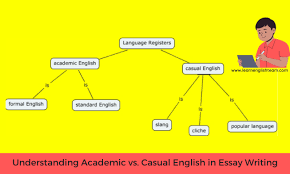
    The way we write changes depending on who we’re writing for and why we’re writing. Academic writing and casual writing are two very different styles. One is formal, precise, and evidence-based; the other is relaxed, conversational, and often emotional. Understanding these differences helps students write more effectively and appropriately for each situation.

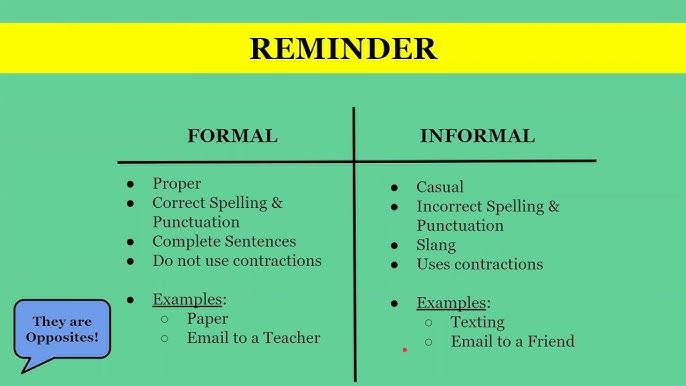
    Academic writing is used in research papers, essays, and reports. Its main goal is to inform or argue logically, not to entertain. The tone must sound professional, confident, and neutral. Casual writing, on the other hand, is used in everyday communication — texting, blogging, or chatting online — where the goal is connection, not precision.

    One major difference between the two is word choice. Academic writing uses formal vocabulary. Words like “kids,” “a lot,” or “stuff” might sound fine in conversation but don’t belong in research papers. Instead, you’d use “children,” “many,” or “materials.” In casual writing, however, simpler words feel natural and friendly. The key difference is that academic tone aims for clarity and respect, while casual tone aims for warmth and personality.

    Sentence structure also differs. Academic writing uses complete, well-organized sentences with correct grammar and punctuation. Sentences are often longer and more complex. In casual writing, sentences can be shorter, even fragments. It’s normal to write things like, “So, yeah, that was crazy!” or “Can you believe it?” — but that would never fit in a formal essay.

    Tone and perspective matter, too. Academic writing avoids personal opinions and emotional language. It focuses on facts, logic, and evidence. For instance, instead of writing, “I think this method is better,” an academic paper would say, “This method is more effective based on the data collected.” Casual writing allows for emotion and personality. You can use “I,” “you,” or “we,” and even jokes or feelings.

    Purpose also shapes the difference. Academic writing exists to add knowledge to a field. It must be objective and supported by evidence. Casual writing exists to connect or entertain. It can use storytelling, opinions, and humor. Neither is “better” — they just serve different purposes.

    Structure in academic writing is also more organized. You need an introduction, body, and conclusion, often with citations and references. Casual writing doesn’t need that kind of structure — it can jump between ideas freely.

    Final Thought:
    Academic writing and casual writing are like two languages — both useful in different settings. When you learn to switch between them, you become a stronger communicator. Use academic tone for clarity and respect; use casual tone for connection and creativity.

  • Effective Proofreading Methods for Student Papers

    Effective Proofreading Methods for Student Papers

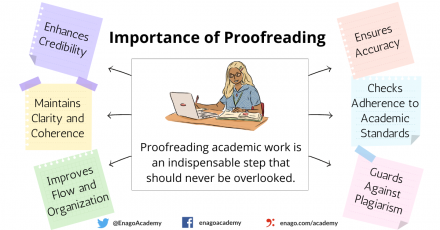
    Proofreading might not be the most exciting part of writing, but it’s one of the most important. A good paper can lose marks just because of small grammar or spelling mistakes. Proofreading helps you spot errors, improve clarity, and polish your writing before submission.

    The best way to proofread is to take a break after writing. Don’t start editing immediately. Step away for a few hours or even a day. When you come back with fresh eyes, you’ll see mistakes you missed before. Reading slowly and carefully is key.

    Always read your paper out loud. It may sound silly, but it works. When you read silently, your brain fills in missing words automatically. Reading aloud forces you to hear awkward phrasing, repeated words, and missing punctuation.

    Another useful method is to print your paper. Seeing your work on paper looks different than on a screen. You notice spacing, alignment, and formatting issues more easily. If you can, use a colored pen to mark corrections.

    Focus on one type of mistake at a time. First, check for grammar, then punctuation, then spelling, and finally, structure. Breaking proofreading into stages keeps you from feeling overwhelmed.

    Spell check tools help but don’t rely on them fully. They might miss wrong words that are spelled correctly — like “form” instead of “from.” Also, grammar checkers don’t always understand context. Trust your judgment.

    Ask a friend or classmate to read your paper. A second reader can catch things you’ve overlooked. They can also tell you if your ideas make sense. You can even read each other’s work — it’s a great way to learn.

    Finally, check your formatting and references. Make sure headings, margins, and citations match the required style guide. Consistency is part of good proofreading too.

    Final Thought:
    Proofreading shows respect for your own work. It’s the final step that turns good writing into great writing. Take your time, check carefully, and let your final paper represent your best effort.


    How to Write Persuasive Argumentative Essays

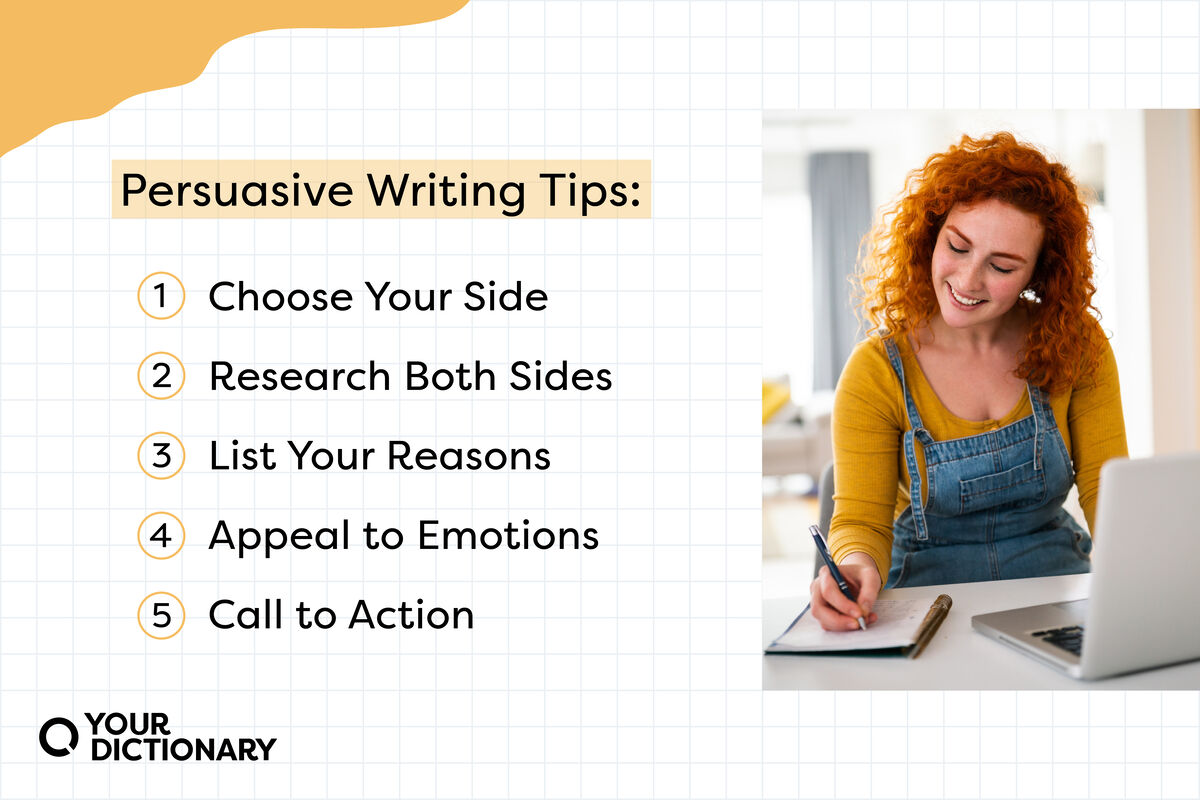
    Argumentative essays are all about convincing readers to agree with your point of view. You use logic, evidence, and emotion to make your argument strong. A persuasive essay doesn’t just share information — it tries to change minds.

    Start with a clear topic. Choose an issue you care about and one that has two sides. Your goal is to make a case for one side using solid reasoning and facts. Avoid topics that are too broad or emotional. Pick something you can support with real evidence.

    Your introduction should grab attention and clearly state your thesis — your main argument. For example, “Online education should be considered equal to traditional learning because it provides flexibility, accessibility, and cost efficiency.” That sentence gives readers your stance and what to expect.

    Each paragraph should cover one main point that supports your thesis. Begin with a topic sentence, explain your reasoning, and back it up with evidence — like statistics, research, or expert opinions. Don’t just say something is true; show why it’s true.

    Address the opposing side too. A strong argumentative essay considers counterarguments and responds to them. For example, “Some people argue that online learning reduces social interaction, but recent studies show that virtual collaboration tools can maintain strong communication among students.” This shows fairness and confidence in your position.

    Use logical transitions between ideas. Words like “however,” “therefore,” and “on the other hand” help your essay flow naturally. Avoid emotional or aggressive language. Instead of saying, “Anyone who disagrees is wrong,” say, “This evidence suggests a different perspective.”

    End your essay with a powerful conclusion that restates your thesis and summarizes your key points. Leave your reader with something to think about — a question, a prediction, or a call to action.

    Final Thought:
    Persuasive writing is not about shouting louder; it’s about reasoning smarter. When your arguments are clear, supported, and respectful, your readers will listen — even if they don’t agree.


    Best Practices for Group Research Projects

    Group research projects can be exciting but also challenging. Working with others means combining ideas, managing different personalities, and staying organized. When done well, group projects teach teamwork and communication — skills you’ll use long after college.

    The first step to success is good communication. Everyone should know the project’s goals, deadlines, and roles. Hold regular meetings or create a shared chat group to keep updates flowing. When everyone feels heard, the group works better.

    Divide the work fairly. Assign tasks based on each member’s strengths. If someone is good at writing, they can handle editing. Another might be better at data analysis or presentation design. Fair division prevents conflict later.

    Set deadlines early and stick to them. Group projects fail when people procrastinate. Use tools like Google Docs, Trello, or Notion to track progress. Transparency keeps everyone accountable.

    Respect different opinions. Not everyone will agree on every detail, and that’s okay. Listen actively, discuss calmly, and find compromises. The best ideas often come from combining perspectives.

    Always keep your supervisor updated, especially if problems arise. Don’t wait until the last minute to report issues. Teachers appreciate honest communication.

    At the end, review everyone’s work together. Make sure the final project feels unified, not like separate pieces glued together. Check citations, grammar, and formatting as a team.

    Final Thought:
    Group projects test more than knowledge — they test patience, communication, and teamwork. When everyone cooperates and respects each other’s strengths, the result is always better than what one person could do alone. Collaboration turns good ideas into great outcomes.
  • Academic Writing Tone vs Casual Writing Differences

    Writing can take many forms depending on your purpose and audience. The way you write an academic paper is not the same as the way you text a friend or write a social media post. Academic writing has a more serious, formal tone, while casual writing feels more relaxed and personal. Understanding the difference between these two styles is important for students because it helps you choose the right tone for every situation.

    Academic writing is all about clarity, objectivity, and precision. You’re expected to sound professional and show that your ideas are based on evidence. It’s not about showing off vocabulary but about being clear and logical. In contrast, casual writing is informal, flexible, and often emotional. You can use slang, contractions, or humor. In academic writing, those would seem unprofessional.

    One of the biggest differences is word choice. In academic writing, you use formal words and avoid slang or short forms. For example, in a research paper, you’d write “The results demonstrate a significant improvement” instead of “The results show a big improvement.” Casual writing, however, would use everyday words like “big,” “a lot,” or “good.” Academic tone values accuracy and neutrality, while casual tone values connection and expression.

    Another difference is the use of personal pronouns. In casual writing, using “I,” “you,” and “we” is common and helps make the tone conversational. But in academic writing, especially in research papers, personal pronouns are used less often. Instead of saying, “I think this experiment worked,” you might write, “The experiment was successful based on the collected data.” The goal is to keep the focus on facts, not personal opinions.

    Grammar and sentence structure also differ. Academic writing often uses complete, complex sentences with correct punctuation. Casual writing can be more flexible, with shorter sentences, fragments, and conversational pauses. In texts or blogs, people might write “So yeah, that’s what happened!” But in academic writing, you’d never use exclamation marks or phrases like “yeah.” You’d simply end your sentence formally.

    Tone and attitude are also important differences. Academic writing must remain objective and polite, even when disagreeing with another scholar. You might write, “Previous studies present conflicting results” instead of “Some researchers got it wrong.” Casual writing, however, allows more emotion and directness — you can be playful or opinionated.

    Another key feature of academic tone is evidence. You can’t make claims without support. If you say something, you need to back it up with data, research, or citations. Casual writing, on the other hand, can rely on personal experience or opinion. For example, a blog post might say, “In my experience, group projects are stressful.” But in an academic paper, you’d say, “Studies indicate that students often experience stress during collaborative assignments.”

    Even formatting differs. Academic writing follows strict structures like introduction, body, and conclusion, often with citations and references. Casual writing can be more spontaneous. You can start with a story, use emojis, or end with a personal note. Academic tone is designed for analysis and education; casual tone is for conversation and storytelling.

    Final Thought:
    Both academic and casual writing have their place. Academic tone helps you sound credible and professional, while casual tone connects you with readers in a friendly way. Knowing when to use each shows maturity and skill as a writer. The real secret is balance — write with clarity, but always stay human.


    How to Use AI Tools Ethically in Research Writing

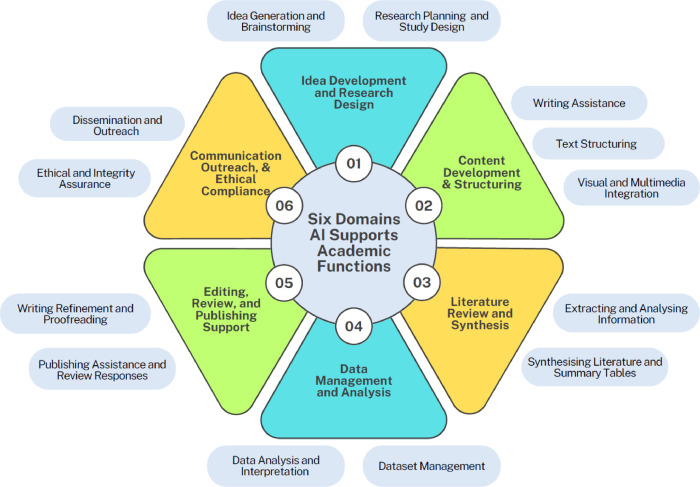
    AI tools have become part of everyday life in education. Students use them to brainstorm ideas, check grammar, summarize readings, and even generate outlines. But as useful as they are, AI tools must be used ethically. There’s a big difference between using AI for help and letting it do your work for you.

    The first thing to understand is that AI should assist, not replace, your thinking. Tools like ChatGPT, Grammarly, or citation generators are helpful for improving clarity or finding references, but your original ideas should come from you. If you simply copy AI-generated text and submit it as your own, that’s academic dishonesty — just like plagiarism.

    Ethical AI use starts with transparency. If your university allows AI assistance, mention it clearly in your methodology or acknowledgments. Say how you used it — for example, “AI software was used for grammar correction and citation formatting.” Being open shows integrity and builds trust with your readers and professors.

    Another rule is to always fact-check AI outputs. Sometimes AI tools produce false or outdated information. Never assume everything is correct. Always verify facts from reliable academic sources. Remember, AI doesn’t think — it predicts text based on patterns. You’re responsible for ensuring your final work is accurate and credible.

    AI tools can be great for generating ideas or finding research directions, but don’t let them shape your arguments completely. Use them as a starting point, not an endpoint. The thinking, analysis, and interpretation must still be your own.

    Be cautious when using AI for paraphrasing or summarizing. Over-reliance on these tools can lead to unintentional plagiarism. Read the material yourself, take notes, and then write your own version. AI should never replace understanding.

    Data privacy is another ethical concern. Don’t upload confidential research data, personal interviews, or unpublished findings into AI systems. They might not guarantee data safety. Use AI on general, non-sensitive content instead.

    Most universities are still developing their policies on AI use. Some encourage it, others forbid it, and many allow it only under certain conditions. Always check your institution’s rules before using AI in academic writing.

    Final Thought:
    AI is a powerful tool when used wisely. It can make your writing clearer and your research smoother — but it should never replace your mind. Ethical AI use means being honest, thoughtful, and responsible. Use technology to support your learning, not to skip it.

  • How to Organize Sources for Research Papers

    Research papers depend on good organization. When you’re collecting information from different books, journals, and websites, it’s easy to get lost in a sea of notes and links. Organizing your sources properly saves time, prevents confusion, and helps you write more smoothly. It also makes it easier to cite correctly and avoid plagiarism.

    The first thing to do is keep a research notebook or document. Every time you find a useful source, write down the title, author, year, and page numbers. Add a few notes about why that source is relevant. For example, you might write, “Good for background on environmental policy” or “Strong argument for renewable energy.” That way, when you’re writing later, you don’t have to reread everything to remember what it was about.

    Digital tools can help too. Apps like Zotero, Mendeley, or EndNote allow you to store, tag, and organize your references automatically. You can even save PDFs and notes directly under each citation. These tools also format your citations in APA, MLA, or Chicago style — which saves hours of work later.

    Another smart way to organize sources is by theme or category. Let’s say your research is about mental health among college students. You might group your sources into categories like “Causes of stress,” “Effects on performance,” and “Coping strategies.” This helps you see patterns and connect ideas more clearly. When you start writing, each category can become a section in your paper.

    Be careful with online sources. Always check if they’re reliable. Academic journals, books, and government reports are trustworthy. Blog posts or random websites might not be. Keeping track of which sources are credible helps your paper stay strong and professional.

    When taking notes, use your own words as much as possible. Write short summaries instead of copying large chunks of text. This helps you understand the material better and reduces the risk of plagiarism later. Always include the page number next to any direct quote you write down.

    As your research grows, your list of sources might become long. Create a working bibliography — a document where you list all your sources alphabetically, formatted properly. Even if some don’t make it into your final paper, it’s good to keep a record of everything you read. You never know when you might need to refer back.

    Review your sources regularly. Sometimes you’ll find that a few aren’t as relevant as you thought, while others become more important. Adjust your list as you go. Good research is flexible — it changes as you discover more.

    Finally, double-check every citation before submitting your paper. Make sure the names, dates, and titles are correct and consistent. A well-organized reference list shows that you care about accuracy and academic integrity. It’s one of the simplest ways to make your paper look polished and professional.

    Final Thought:
    Organizing sources isn’t just about neatness — it’s about thinking clearly. When your research is organized, your writing becomes more focused, your arguments stronger, and your work more credible. Good organization saves time, reduces stress, and shows that you’re a serious, responsible student.