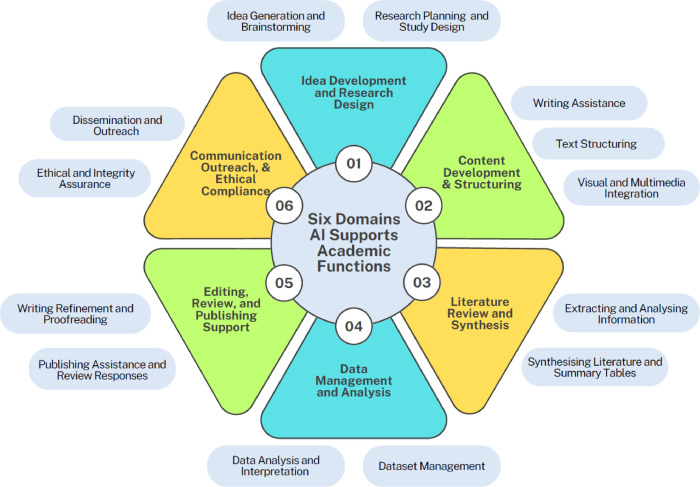
AI tools like ChatGPT, Grammarly, and citation generators are becoming common in student life. They can make writing easier, but they also raise questions about fairness, honesty, and originality. Using AI ethically means knowing where to draw the line between assistance and academic dishonesty.
AI can be great for generating ideas, organizing outlines, and improving grammar. But if you let AI write your entire paper, that’s not ethical. The ideas and sentences aren’t yours — it’s the same as copying from another person. Ethical AI use means you remain the writer, and AI is just your helper.
Transparency is key. If your school allows AI assistance, mention it in your methodology or acknowledgments. You could write something like, “AI software was used to assist in grammar checking and formatting.” That shows honesty. Hiding AI use, however, could lead to accusations of plagiarism.
Another part of ethical AI use is fact-checking. AI tools can make mistakes or invent information. Always confirm details from credible academic sources before including them in your paper. You are still responsible for accuracy.
It’s also important not to rely on AI for paraphrasing or summarizing entire sources. Those tools might accidentally copy phrases or change meaning. It’s always better to read the material yourself and summarize in your own words.
Privacy is another concern. Never upload confidential or unpublished data to AI tools. They may not guarantee full data protection. Keep sensitive information offline or use tools approved by your university.
Different institutions have different AI policies. Some allow limited use, while others forbid it completely. Before using any AI tool, check your college’s academic integrity guidelines. Following those rules shows professionalism and respect for ethical standards.
AI is useful when used wisely — for brainstorming, checking grammar, or improving clarity. But thinking, reasoning, and understanding must still come from you. The most ethical approach is simple: use AI to improve your writing, not replace it.
Final Thought:
AI is a tool, not a substitute for learning. Use it to polish your writing and expand ideas, but never to avoid effort or honesty. Responsible use of technology doesn’t make you less capable — it makes you a smarter and more ethical researcher.