Category: Professional Growth

  • Building a Self-Development Plan for Job Promotion

    Building a Self-Development Plan for Job Promotion

    Career growth and promotions do not happen by chance—they are the result of strategic planning, consistent skill-building, and personal development. A self-development plan provides a roadmap to enhance your competencies, demonstrate value, and position yourself for career advancement. This article explores how to create an effective self-development plan for job promotion.

    1. Clarify Your Career Goals

    Start by identifying your promotion objectives:

    • Which role or position are you aiming for?
    • What are the responsibilities and expectations of that role?
    • Which timeline feels realistic for achieving this goal?

    Clear goals provide direction and help focus your development efforts on areas that matter most.

    2. Conduct a Self-Assessment

    Understanding your current strengths and gaps is crucial:

    • Evaluate your technical skills, soft skills, and leadership abilities
    • Identify areas where improvement is necessary for the desired promotion
    • Reflect on feedback from managers, colleagues, and performance reviews

    Self-assessment highlights where to prioritize growth efforts.

    3. Identify Key Skills for Advancement

    A promotion often requires both technical competence and soft skills:

    • Technical skills: Advanced knowledge, certifications, or industry-specific expertise
    • Soft skills: Leadership, communication, problem-solving, collaboration, and strategic thinking
    • Professional behaviors: Accountability, initiative, adaptability, and reliability

    List these skills and competencies as part of your self-development plan.

    4. Set SMART Goals for Development

    Structure your plan using SMART (Specific, Measurable, Achievable, Relevant, Time-bound) goals:

    • Example: “Within 6 months, complete the Project Management certification to qualify for the team lead role.”
    • Ensure goals are realistic and aligned with promotion requirements
    • Break goals into short-term milestones to track progress effectively

    SMART goals provide clarity and motivation for consistent development.

    5. Create a Learning Plan

    Develop a plan to acquire or enhance required skills:

    • Attend workshops, online courses, and seminars
    • Read books, articles, and research papers relevant to your role
    • Seek mentorship or coaching for leadership and soft skills development
    • Gain hands-on experience through projects or cross-functional tasks

    A structured learning plan ensures continuous growth and tangible progress.

    6. Seek Feedback and Mentorship

    Guidance from others accelerates development:

    • Request feedback from supervisors on your readiness for promotion
    • Identify mentors who have succeeded in similar roles
    • Ask for constructive criticism and actionable advice
    • Discuss your promotion goals with HR or management

    Mentorship provides perspective, resources, and accountability.

    7. Build a Track Record of Achievement

    Demonstrating results is crucial for promotion:

    • Take on challenging projects that highlight your skills
    • Document accomplishments, including measurable outcomes
    • Volunteer for leadership opportunities within the team or organization

    A strong track record shows readiness for higher responsibility.

    8. Strengthen Personal Brand and Visibility

    Promotion often depends on visibility and recognition:

    • Share achievements with your manager and team
    • Participate in meetings, committees, or projects that showcase your capabilities
    • Network internally to build relationships with decision-makers

    A strong personal brand increases your chances of being noticed for advancement.

    9. Maintain Work-Life Balance

    Sustained performance and growth require balance:

    • Avoid overworking, which can lead to burnout
    • Prioritize tasks and manage time effectively
    • Schedule personal development activities alongside regular responsibilities

    Balanced professionals maintain energy, focus, and consistency.

    10. Review and Adjust the Plan Regularly

    A self-development plan is dynamic:

    • Track progress monthly or quarterly
    • Adjust goals based on new opportunities, feedback, or skill gaps
    • Celebrate milestones and achievements
    • Stay flexible to align with evolving organizational priorities

    Regular review ensures that your development stays relevant and impactful.
  • Effective Goal Tracking for Career Growth Consistency

    Effective Goal Tracking for Career Growth Consistency

    Setting goals is essential for career advancement, but tracking them consistently is what separates high achievers from the rest. Without monitoring progress, even the most ambitious goals can lose momentum, resulting in stagnation or missed opportunities. Effective goal tracking ensures accountability, motivation, and measurable progress toward long-term success. This article provides strategies to track career goals effectively and maintain growth consistency.

    1. Understand the Importance of Goal Tracking

    Tracking career goals is not just about marking tasks as done—it’s about monitoring progress, reflecting, and adapting. Key benefits include:

    • Clear visibility of accomplishments and gaps
    • Motivation to continue pursuing objectives
    • Identification of obstacles early
    • Ability to adjust strategies for better outcomes
    • Reinforcement of personal accountability

    Without tracking, goals can remain abstract intentions rather than actionable milestones.

    2. Set SMART Goals

    Effective tracking begins with well-defined goals. Use the SMART framework:

    • Specific: Define precise objectives (e.g., “Complete leadership training” instead of “Improve leadership skills”)
    • Measurable: Quantify progress (e.g., “Lead three team projects this year”)
    • Achievable: Ensure goals are realistic given your resources and skills
    • Relevant: Align with long-term career objectives
    • Time-bound: Set clear deadlines for accountability

    SMART goals provide a solid foundation for meaningful tracking and evaluation.

    3. Break Goals into Milestones

    Large career goals can feel overwhelming. Break them into manageable milestones:

    • Short-term (weekly/monthly): Skill-building exercises, completing modules
    • Medium-term (quarterly): Completing a project, earning a certification
    • Long-term (yearly): Achieving a promotion, expanding responsibilities

    Milestones provide measurable checkpoints, making progress tangible and motivating.

    4. Use Digital Tools for Tracking

    Technology simplifies goal tracking and increases consistency. Popular tools include:

    • Project management apps: Trello, Asana, Notion
    • Goal-tracking apps: GoalsOnTrack, Strides, Habitica
    • Calendars and spreadsheets: Google Calendar, Excel, Airtable

    Track deadlines, progress percentages, and upcoming milestones. Visual dashboards help identify gaps quickly and keep momentum strong.

    5. Maintain a Career Journal

    A career journal complements digital tools by allowing reflection:

    • Record daily or weekly accomplishments
    • Note challenges and solutions
    • Reflect on skills gained and lessons learned
    • Track feedback from managers or mentors

    Writing regularly reinforces accountability, encourages self-assessment, and fosters personal growth.

    6. Schedule Regular Reviews

    Consistent review sessions are critical. Consider:

    • Weekly check-ins: Assess short-term progress and adjust tasks
    • Monthly reviews: Evaluate milestone completion and skill development
    • Quarterly reviews: Reassess goals in light of achievements and challenges
    • Annual reviews: Align career trajectory with long-term objectives

    Regular reviews prevent stagnation and ensure continuous forward motion.

    7. Adjust Goals When Necessary

    Flexibility is essential. Circumstances, priorities, or industry trends may change. Adjust goals by:

    • Modifying timelines or milestones
    • Adding new objectives based on emerging opportunities
    • Removing goals that are no longer relevant
    • Revising strategies to overcome obstacles

    Adapting maintains relevance and prevents frustration.

    8. Use Accountability Partners

    Accountability partners improve consistency:

    • Share your goals with a mentor, colleague, or friend
    • Provide mutual check-ins on progress
    • Offer constructive feedback and encouragement

    Having someone else aware of your objectives increases commitment and drives action.

    9. Celebrate Small Wins

    Recognizing progress, even small victories, reinforces motivation. Celebrate by:

    • Rewarding yourself after completing milestones
    • Reflecting on lessons learned
    • Sharing achievements with mentors or teams

    Acknowledging wins boosts morale and strengthens commitment to larger goals.

    10. Develop a Habit of Self-Reflection

    Beyond measurable outcomes, track personal growth:

    • Are you gaining confidence in new responsibilities?
    • Are your skills and knowledge expanding consistently?
    • Are you becoming more proactive, resilient, or innovative?

    Regular reflection ensures that goal tracking is not just about tasks, but about becoming a better professional every day.

  • Micro-Learning Techniques for Busy Professionals

    Micro-Learning Techniques for Busy Professionals

    In today’s fast-paced world, professionals often struggle to find time for skill development. Micro-learning—short, focused bursts of learning—offers a practical solution for busy schedules. By breaking learning into manageable chunks, professionals can acquire new skills efficiently without compromising their workload. This article explores micro-learning techniques to maximize knowledge retention and career growth.

    1. Understand the Concept of Micro-Learning

    Micro-learning involves:

    • Short, focused learning sessions (5–15 minutes)
    • Concentration on a single skill or concept at a time
    • Immediate application of knowledge in real-life tasks

    This method leverages attention spans, making learning more effective and manageable for busy professionals.

    2. Identify Key Learning Objectives

    Focus is essential:

    • Break larger skills into smaller, high-impact components
    • Prioritize topics based on relevance to your current role or career goals
    • Set clear outcomes for each micro-learning session

    Clear objectives ensure every minute spent learning adds measurable value.

    3. Utilize Digital Learning Platforms

    Technology makes micro-learning accessible:

    • Use apps like LinkedIn Learning, Coursera, Udemy, or Skillshare for short lessons
    • Watch brief instructional videos or tutorials
    • Take advantage of mobile-friendly platforms for learning on the go

    Digital resources allow flexibility and make learning fit seamlessly into your schedule.

    4. Implement Micro-Practice Sessions

    Apply learning immediately:

    • Dedicate a few minutes daily to practice new skills
    • Solve small exercises, quizzes, or tasks related to the lesson
    • Reinforce concepts through repetition and practical application

    Practice consolidates knowledge and enhances retention.

    5. Leverage “Just-in-Time” Learning

    Learn exactly what you need, when you need it:

    • Focus on skills or knowledge relevant to current projects or challenges
    • Search for quick tutorials or guides to solve immediate problems
    • Apply insights directly to work tasks

    Just-in-time learning ensures efficiency and relevance, reducing wasted effort.

    6. Use Micro-Reading Techniques

    Short bursts of reading are effective:

    • Read articles, blogs, or whitepapers in 5–10 minute intervals
    • Highlight key points and take brief notes
    • Focus on learning a single concept per session

    Micro-reading reinforces learning without overwhelming your schedule.

    7. Incorporate Multimedia Learning

    Engage multiple senses:

    • Watch short instructional videos or tutorials
    • Listen to podcasts or audio summaries during commutes
    • Use interactive quizzes or apps to reinforce knowledge

    Multimedia formats improve engagement, retention, and convenience for busy learners.

    8. Create a Daily Learning Routine

    Consistency is key:

    • Schedule micro-learning at the same time each day (morning, lunch break, or commute)
    • Treat these short sessions as non-negotiable habits
    • Even 10–15 minutes per day accumulates significant skill growth over time

    Routine ensures that micro-learning becomes a sustainable, long-term habit.

    9. Track Progress and Reflect

    Monitoring growth reinforces learning:

    • Maintain a simple log of lessons completed or skills practiced
    • Reflect briefly on how new knowledge can be applied to work
    • Adjust learning topics based on evolving priorities or skill gaps

    Reflection enhances retention and ensures continuous improvement.

    10. Combine Micro-Learning with Networking

    Learning is amplified when shared:

    • Discuss insights with colleagues or peers in short catch-ups
    • Join online communities or forums for questions, tips, and challenges
    • Teach or explain new concepts to reinforce your understanding

    Combining micro-learning with social interaction deepens comprehension and builds professional connections.

  • How to Build Consistency in Daily Skill Improvement

    How to Build Consistency in Daily Skill Improvement

    Consistency is the cornerstone of mastery. While learning new skills is important, the real power lies in daily, focused practice. Professionals who improve incrementally each day often achieve exponential growth over time. This article explores strategies to build consistent habits for daily skill improvement and long-term career advancement.

    1. Set Clear, Achievable Goals

    Consistency begins with clarity:

    • Define what skill or competency you want to improve
    • Break the skill into measurable daily or weekly objectives
    • Use the SMART framework (Specific, Measurable, Achievable, Relevant, Time-bound)

    Clear goals provide direction and make daily improvement purposeful.

    2. Establish a Routine

    Regularity reinforces habits:

    • Schedule dedicated time for skill practice each day
    • Treat learning as a non-negotiable part of your routine
    • Start small—10–30 minutes daily is more sustainable than sporadic long sessions

    A routine builds discipline and reduces reliance on motivation alone.

    3. Break Tasks into Micro-Steps

    Small, manageable steps increase adherence:

    • Divide complex skills into smaller sub-skills
    • Focus on one micro-step at a time to avoid overwhelm
    • Gradually increase complexity as proficiency grows

    Micro-learning ensures steady, measurable progress.

    4. Track Progress Religiously

    Monitoring improvement reinforces consistency:

    • Keep a daily or weekly log of your learning activities
    • Note achievements, challenges, and areas for improvement
    • Reflect regularly to adjust strategies and celebrate progress

    Tracking provides motivation, accountability, and clarity on growth.

    5. Use Habit Stacking

    Link new learning habits to existing routines:

    • Pair skill practice with established habits (e.g., before morning coffee or after work)
    • Create environmental cues that remind you to practice
    • Gradually integrate learning into daily life without extra friction

    Habit stacking leverages existing behavior patterns for consistency.

    6. Embrace the 1% Improvement Rule

    Small daily gains compound over time:

    • Focus on improving just 1% each day
    • Avoid overloading yourself with unrealistic expectations
    • Recognize that incremental growth leads to mastery in the long term

    Consistency beats intensity when building skills for the future.

    7. Minimize Distractions

    A focused environment ensures daily practice:

    • Identify and eliminate common distractions during practice sessions
    • Use techniques like the Pomodoro method for concentrated work
    • Set clear boundaries with colleagues, friends, and digital devices

    Distraction-free practice maximizes learning efficiency and retention.

    8. Incorporate Reflection and Feedback

    Daily improvement thrives on self-awareness:

    • Reflect on what worked well and what didn’t
    • Seek feedback from mentors, peers, or online communities
    • Adjust techniques based on lessons learned

    Reflection ensures continuous refinement and accelerates growth.

    9. Reward Consistency

    Positive reinforcement strengthens habits:

    • Celebrate small achievements and milestones
    • Use tangible or symbolic rewards to mark progress
    • Recognize the effort, not just the outcome

    Rewards create motivation loops that reinforce consistent practice.

    10. Stay Flexible and Patient

    Consistency requires resilience:

    • Accept that some days may not go as planned
    • Adjust your schedule without losing momentum
    • Focus on long-term accumulation rather than daily perfection

    Patience and flexibility help sustain habits even during challenges.

  • Techniques to Learn Complex Skills Faster

    Techniques to Learn Complex Skills Faster

    In today’s rapidly evolving workplace, the ability to learn complex skills quickly is a major competitive advantage. Whether you are mastering a new technology, leadership technique, or industry-specific expertise, faster learning accelerates career growth and keeps you adaptable in a constantly changing environment. This article explores practical techniques to learn complex skills efficiently and effectively.

    1. Break Skills into Smaller Components

    Complex skills often feel overwhelming:

    • Divide a skill into smaller, manageable sub-skills
    • Focus on mastering one component at a time
    • Use a step-by-step approach to gradually build expertise

    Breaking skills into parts reduces cognitive load and improves retention.

    2. Use the “Learn by Doing” Approach

    Active practice accelerates learning:

    • Apply theoretical knowledge through hands-on exercises
    • Engage in real-world projects or simulations
    • Experiment and iterate to deepen understanding

    Learning by doing reinforces concepts and builds practical competence faster.

    3. Leverage the Power of Spaced Repetition

    Memory retention is crucial for complex skills:

    • Review information at increasing intervals over time
    • Use tools like flashcards, spaced repetition apps, or periodic practice sessions
    • Reinforce key concepts regularly to move knowledge from short-term to long-term memory

    Spaced repetition prevents forgetting and strengthens mastery.

    4. Apply the Pareto Principle (80/20 Rule)

    Focus on high-impact areas:

    • Identify the 20% of concepts or techniques that produce 80% of results
    • Prioritize these areas for initial learning
    • Build foundational competence before expanding into advanced topics

    Focusing on essentials maximizes efficiency and accelerates skill acquisition.

    5. Teach Others What You Learn

    Teaching enhances understanding:

    • Explain concepts to peers, colleagues, or through blogs and videos
    • Simplify complex ideas in your own words
    • Address questions and clarify doubts

    Teaching reinforces mastery and highlights areas that require further study.

    6. Use Multimodal Learning Techniques

    Combine different learning methods:

    • Read books, watch videos, attend workshops, and listen to podcasts
    • Engage multiple senses to reinforce learning
    • Alternate between theory and practice to solidify understanding

    Multimodal learning strengthens retention and deepens comprehension.

    7. Set Clear, Measurable Goals

    Structured learning is more effective:

    • Define specific outcomes for each learning session
    • Set deadlines to achieve skill milestones
    • Track progress to maintain motivation

    Clear goals provide focus and accountability in the learning process.

    8. Leverage Mentorship and Expert Guidance

    Learning from experts accelerates mastery:

    • Seek mentors or coaches who have mastered the skill
    • Observe best practices, receive feedback, and learn from experience
    • Ask questions to clarify complex concepts

    Expert guidance shortens the learning curve and prevents common mistakes.

    9. Embrace Deliberate Practice

    Intentional practice improves skill faster than repetition alone:

    • Identify specific weaknesses to focus on
    • Practice with concentration, feedback, and adjustment
    • Gradually increase the difficulty to build proficiency

    Deliberate practice is key to transforming theoretical knowledge into practical expertise.

    10. Maintain Consistency and Patience

    Complex skills take time to master:

    • Dedicate regular time for learning, even if in small increments
    • Avoid shortcuts or rushing the process
    • Celebrate incremental progress and adjust strategies as needed

    Consistency and patience ensure sustainable mastery and long-term retention.

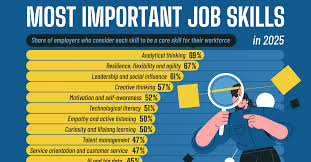
  • How to Identify the Most Valuable Skills for 2025

    How to Identify the Most Valuable Skills for 2025

    The workplace is evolving faster than ever, driven by technology, AI, and globalization. Professionals who proactively identify and develop the most valuable skills for 2025 will remain competitive, adaptable, and future-ready. Recognizing these skills early allows you to invest in learning strategically and position yourself for career growth. This article explores practical methods to identify and prioritize high-value skills for the near future.

    1. Analyze Industry Trends

    Start by understanding the trajectory of your industry:

    • Research emerging technologies, tools, and practices
    • Identify sectors experiencing rapid growth or transformation
    • Review reports from credible sources like LinkedIn, McKinsey, or the World Economic Forum

    Staying informed ensures you focus on relevant skills and in demand.

    2. Observe Organizational Needs

    High-value skills often reflect organizational priorities:

    • Look at your company’s strategic goals and initiatives
    • Identify roles and projects critical to success
    • Pay attention to repeated skill requirements in job postings

    Aligning your skill development with organizational needs increases your professional value.

    3. Study Market Demand and Job Postings

    Job market data is a strong indicator of future skill requirements:

    • Analyze multiple job postings for emerging roles in your field
    • Note recurring technical skills, software, or certifications
    • Track trends in leadership, soft skills, and interdisciplinary capabilities

    This method provides a data-driven view of what employers prioritize.

    4. Consult Thought Leaders and Industry Experts

    Industry thought leaders often highlight key competencies:

    • Follow expert blogs, LinkedIn posts, podcasts, or webinars
    • Attend conferences and workshops to learn about evolving skill requirements
    • Engage with professional networks to gain insights from peers

    Experts provide foresight into skills likely to shape the future workplace.

    5. Focus on Transferable Skills

    Certain skills remain valuable across industries and roles:

    • Critical thinking and problem-solving: Applying insights to solve complex challenges
    • Emotional intelligence: Navigating relationships and leading effectively
    • Communication and collaboration: Working across teams and geographies
    • Adaptability and learning agility: Thriving in changing environments

    Transferable skills provide long-term resilience in an uncertain job market.

    6. Prioritize Digital and Technological Competencies

    Digital literacy is essential in the AI-driven world:

    • Basic proficiency in AI, data analytics, cloud computing, and cybersecurity
    • Understanding automation tools and digital workflows
    • Familiarity with emerging platforms and technologies relevant to your role

    Digital skills are increasingly central to career competitiveness.

    7. Explore Emerging Interdisciplinary Skills

    Future roles often require hybrid skill sets:

    • Combining domain expertise with data analytics, AI, or digital marketing
    • Integrating technical knowledge with leadership and communication
    • Learning multiple complementary disciplines for innovative solutions

    Interdisciplinary skills position you as a versatile professional in 2025 and beyond.

    8. Conduct Self-Assessment Against Future Needs

    Evaluate your current skills relative to projected demand:

    • Identify gaps between your capabilities and future requirements
    • Assess which high-value skills you already possess
    • Prioritize skills that enhance both immediate performance and long-term relevance

    Self-assessment ensures focused investment in development.

    9. Seek Mentorship and Guidance

    Mentors can provide insight into future-ready skills:

    • Ask experienced professionals about emerging skill needs in your industry
    • Gain guidance on which skills have the highest ROI for growth
    • Discuss career paths that leverage these capabilities effectively

    Mentorship helps you navigate skill-building strategically.

    10. Create a Skill Development Roadmap

    Once valuable skills are identified, plan structured development:

    • Set SMART goals for learning new skills
    • Use online courses, certifications, workshops, and hands-on projects
    • Track progress and update your roadmap regularly based on market changes
    • Combine technical, soft, and transferable skills for holistic growth

    A roadmap ensures that your learning is deliberate, measurable, and aligned with future opportunities.

  • How to Overcome the Fear of Professional Failure

    How to Overcome the Fear of Professional Failure

    Fear of failure is a common obstacle in careers, especially for ambitious professionals aiming for promotions, new roles, or challenging projects. While fear can motivate preparation, excessive fear paralyzes action, stunts growth, and erodes confidence. Overcoming this fear is crucial to unlocking your full potential and achieving career success. This article explores practical strategies to confront and overcome professional fear of failure.

    1. Understand the Nature of Fear

    Fear of failure often stems from:

    • Perfectionism and unrealistic expectations
    • Past negative experiences or mistakes
    • Pressure to meet others’ expectations
    • Concern about reputation or job security

    Recognizing the source of fear is the first step to addressing it. Awareness reduces anxiety and allows rational decision-making.

    2. Reframe Failure as Learning

    Changing your perspective is key:

    • View failure as feedback, not a reflection of your worth
    • Identify lessons and opportunities in setbacks
    • Embrace mistakes as part of skill-building and growth

    Reframing failure transforms fear into a motivator for improvement rather than a barrier.

    3. Set Realistic Expectations

    Perfectionism often fuels fear:

    • Break complex projects into achievable steps
    • Focus on progress, not perfection
    • Acknowledge what is within your control and accept what is not

    Realistic expectations reduce pressure and build confidence in your abilities.

    4. Prepare and Plan Strategically

    Fear decreases when preparation is thorough:

    • Research, practice, and rehearse before taking on new responsibilities
    • Identify potential challenges and contingency plans
    • Develop skills and knowledge to enhance readiness

    Preparation equips you to act decisively and reduces anxiety about potential failure.

    5. Take Calculated Risks

    Growth requires stepping outside your comfort zone:

    • Start with smaller risks to build confidence
    • Gradually increase challenges as comfort and competence grow
    • Accept that not all outcomes will be perfect, but experience is valuable

    Calculated risk-taking builds resilience and demonstrates courage to yourself and others.

    6. Visualize Success

    Positive visualization strengthens confidence:

    • Imagine successfully completing tasks, projects, or presentations
    • Focus on skills, strategies, and resources you can leverage
    • Reinforce a mindset of achievement rather than fear

    Visualization prepares your mind to handle challenges effectively.

    7. Build a Support Network

    Support from others mitigates fear:

    • Seek mentors, colleagues, or peers who encourage and guide
    • Share concerns and gain perspective on challenges
    • Learn from others’ experiences with setbacks and recovery

    A strong network provides reassurance, feedback, and motivation to move forward.

    8. Focus on Growth, Not Outcome

    Shifting focus reduces fear intensity:

    • Concentrate on the process, learning, and skill-building
    • Treat achievements and mistakes as part of development
    • Celebrate incremental progress rather than only end results

    Process-oriented thinking reduces anxiety about failing and emphasizes continuous improvement.

    9. Practice Self-Compassion

    Fear of failure often comes with self-criticism:

    • Treat yourself with kindness when mistakes occur
    • Avoid harsh judgment or dwelling on setbacks
    • Reflect on achievements and strengths regularly

    Self-compassion fosters resilience and encourages risk-taking without self-sabotage.

    10. Take Action Despite Fear

    The ultimate way to overcome fear is action:

    • Start small and gradually tackle bigger challenges
    • Accept uncertainty as part of growth
    • Learn from outcomes, adjust, and continue moving forward

    Consistent action reinforces confidence and proves to yourself that failure is survivable and manageable.

  • Career Reflection Exercises for Mid-Level Professionals

    Career Reflection Exercises for Mid-Level Professionals

    Mid-level professionals often face a crossroads in their careers. You may have achieved competence and experience but might feel uncertain about growth, purpose, or next steps. Career reflection is a powerful tool to reassess priorities, evaluate achievements, and plan strategically for the next phase. This article explores practical reflection exercises designed to guide mid-level professionals toward clarity and growth.

    1. Review Your Career Milestones

    Begin by analyzing your past achievements:

    • List promotions, key projects, and accomplishments
    • Identify skills developed and challenges overcome
    • Reflect on what tasks brought satisfaction and which were draining

    This exercise highlights patterns of strengths, interests, and areas needing development.

    2. Evaluate Current Job Satisfaction

    Assess your current role critically:

    • Which aspects of your job do you enjoy the most?
    • Which responsibilities feel unfulfilling or stressful?
    • Are your values aligned with your organization’s culture and mission?

    Understanding satisfaction levels helps determine whether adjustments or changes are needed for future growth.

    3. Conduct a Skills Gap Analysis

    Identify areas for improvement relative to your career goals:

    • Compare current skills with those required for desired roles
    • Highlight soft skills (leadership, communication) and technical skills needing enhancement
    • Focus on transferable skills that can broaden your opportunities

    This exercise helps prioritize professional development efforts strategically.

    4. Reflect on Your Professional Strengths

    Recognizing your unique abilities boosts confidence and career direction:

    • List strengths consistently praised by colleagues or managers
    • Identify situations where you excelled under pressure
    • Evaluate which strengths are underutilized in your current role

    Awareness of strengths allows you to leverage them for growth and influence.

    5. Define Your Career Values

    Understanding your core values is essential for career alignment:

    • Identify what matters most: autonomy, recognition, work-life balance, creativity, or impact
    • Reflect on moments when your work felt meaningful
    • Determine whether current roles align with these values

    Values-based reflection ensures future decisions are fulfilling and sustainable.

    6. Set Short-Term and Long-Term Goals

    Reflection should guide goal setting:

    • Short-term goals: skill development, networking, performance improvements
    • Long-term goals: promotions, leadership roles, new industry entry, or entrepreneurship
    • Align goals with personal values, strengths, and market trends

    Goal clarity helps translate insights from reflection into actionable steps.

    7. Explore Alternative Career Paths

    Mid-level professionals often need to consider multiple directions:

    • Identify roles or industries where your skills are transferable
    • Research emerging fields or growing sectors
    • Evaluate opportunities for lateral moves that enhance learning or visibility

    Exploring alternatives provides perspective and broadens potential growth avenues.

    8. Conduct a SWOT Analysis

    SWOT (Strengths, Weaknesses, Opportunities, Threats) is a powerful reflection tool:

    • Strengths: Core competencies, achievements, unique skills
    • Weaknesses: Skills gaps, habits, or experiences limiting growth
    • Opportunities: Emerging trends, organizational growth, mentorships
    • Threats: Market changes, competition, skill obsolescence

    SWOT helps mid-level professionals make strategic decisions about career advancement.

    9. Seek Feedback from Trusted Sources

    External perspectives enrich reflection:

    • Ask mentors, peers, or supervisors for insights on strengths and areas for growth
    • Compare self-assessment with feedback received
    • Identify blind spots and opportunities you may have overlooked

    Feedback adds depth and objectivity to your career reflection.

    10. Create an Action Plan

    Finally, translate reflection into concrete actions:

    • Prioritize development initiatives based on goals and gaps
    • Schedule skill-building activities, networking, and career exploration tasks
    • Set measurable milestones and track progress
    • Revisit your action plan periodically to adjust for evolving priorities

    An action plan turns insights from reflection into tangible career growth.

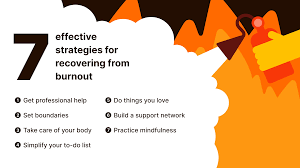
  • How to Recover from Career Burnout Effectively

    How to Recover from Career Burnout Effectively

    Career burnout is a state of chronic physical, emotional, and mental exhaustion caused by prolonged stress at work. It can leave professionals feeling drained, demotivated, and disconnected from their careers. Recognizing burnout and taking deliberate steps to recover is essential for long-term professional and personal well-being. This article explores strategies to recover from career burnout effectively.

    1. Recognize the Signs of Burnout

    Before recovery, awareness is crucial. Common signs include:

    • Persistent fatigue and lack of energy
    • Reduced motivation and engagement at work
    • Difficulty concentrating or making decisions
    • Cynicism or negativity towards colleagues or tasks
    • Physical symptoms like headaches, insomnia, or digestive issues

    Acknowledging these symptoms allows you to take timely action before burnout worsens.

    2. Take a Step Back

    Recovery begins with space for reflection:

    • Consider taking short breaks, vacation days, or mental health leave
    • Temporarily reduce workload or delegate tasks
    • Reflect on your career goals, work habits, and stress triggers

    Distance from daily pressures helps gain perspective and clarity on the next steps.

    3. Reassess Career Goals and Priorities

    Burnout often signals a mismatch between current work and personal values or aspirations:

    • Evaluate whether your role aligns with long-term goals
    • Identify tasks that are fulfilling versus draining
    • Consider rebalancing responsibilities or exploring new opportunities

    Aligning work with your values reduces stress and increases motivation.

    4. Develop Healthy Work Habits

    Preventing future burnout involves adopting sustainable routines:

    • Set clear boundaries between work and personal life
    • Prioritize tasks using effective time management
    • Avoid overcommitting; learn to say no politely
    • Schedule breaks and downtime during the workday

    Healthy work habits promote energy, focus, and long-term resilience.

    5. Practice Stress Management Techniques

    Managing stress effectively accelerates recovery:

    • Engage in mindfulness, meditation, or breathing exercises
    • Incorporate physical activity, such as walking, yoga, or gym workouts
    • Maintain a balanced diet and ensure sufficient sleep
    • Use journaling or reflective practices to process emotions

    Stress management strengthens mental and emotional resilience.

    6. Seek Support

    You don’t have to recover alone:

    • Talk to trusted colleagues, friends, or family about your experiences
    • Seek professional counseling or coaching if needed
    • Join support groups or peer networks for shared experiences

    External support provides perspective, encouragement, and accountability.

    7. Reignite Passion for Your Work

    Rediscovering meaning and engagement helps overcome burnout:

    • Focus on tasks or projects that excite you
    • Identify areas where you can apply creativity or problem-solving
    • Celebrate small accomplishments to regain a sense of achievement

    Engaging in meaningful work restores motivation and professional satisfaction.

    8. Learn to Delegate and Collaborate

    Burnout often stems from taking on too much responsibility:

    • Identify tasks that can be delegated or shared
    • Collaborate with colleagues to distribute workload effectively
    • Develop trust in your team’s capabilities

    Delegation reduces stress and allows focus on high-value contributions.

    9. Implement Gradual Change

    Recovery is a process, not an instant fix:

    • Adjust work habits incrementally
    • Reintroduce challenging tasks slowly
    • Monitor stress levels and adapt strategies as needed

    Gradual adjustments ensure sustainable recovery and prevent relapse.

    10. Maintain Continuous Self-Care

    Long-term prevention of burnout relies on ongoing self-care:

    • Regularly schedule personal time and hobbies
    • Engage in activities that recharge energy and creativity
    • Set realistic career goals that balance ambition and well-being
    • Reflect periodically to assess alignment with values and satisfaction

    Self-care ensures resilience and enhances overall career satisfaction.

  • Balancing Work Satisfaction with Career Ambition

    Balancing Work Satisfaction with Career Ambition

    Balancing work satisfaction with career ambition is a challenge faced by many professionals. Ambition drives growth, promotions, and success, while work satisfaction ensures happiness, motivation, and long-term engagement. Striking the right balance prevents burnout and fosters sustainable professional growth. This article explores practical strategies to achieve that balance.

    1. Understand the Difference Between Satisfaction and Ambition

    • Work satisfaction comes from enjoying daily tasks, feeling valued, having a positive work environment, and finding meaning in your contributions.
    • Career ambition is forward-looking; it focuses on growth, promotions, skill acquisition, and long-term achievements.

    Recognizing the distinction helps you navigate trade-offs and make intentional choices.

    2. Clarify Your Career Priorities

    Identify what matters most to you:

    • Are you motivated more by financial growth, recognition, or personal development?
    • Does work-life balance play a significant role in satisfaction?
    • Which milestones align with your ambition without compromising well-being?

    A clear set of priorities forms the foundation for balancing satisfaction with ambition.

    3. Align Daily Work With Long-Term Goals

    Work satisfaction often comes from enjoying daily tasks, while ambition is about long-term objectives:

    • Break long-term goals into achievable daily or weekly tasks
    • Focus on learning and skill improvement within current responsibilities
    • Celebrate small wins to maintain motivation and engagement

    This approach ensures that daily work contributes meaningfully to long-term ambitions.

    4. Practice Self-Awareness

    Self-awareness is critical to balance:

    • Reflect regularly on what tasks energize or drain you
    • Track stress levels, engagement, and motivation
    • Adjust responsibilities or focus areas to maintain satisfaction while pursuing growth

    Understanding yourself helps prevent overextension and burnout.

    5. Set Realistic Expectations

    Overly aggressive ambition can reduce satisfaction:

    • Set achievable, measurable career goals
    • Align deadlines and milestones with your workload and capacity
    • Avoid comparing yourself constantly to peers

    Realistic goal-setting ensures steady progress while maintaining work enjoyment.

    6. Communicate Career Goals and Needs

    Engage supervisors and mentors:

    • Share your career aspirations and discuss opportunities for growth
    • Seek feedback on your performance and potential
    • Express needs for skill development, challenging assignments, or flexibility

    Transparent communication fosters support and alignment between satisfaction and ambition.

    7. Prioritize Work-Life Balance

    Maintaining satisfaction requires managing personal well-being:

    • Allocate time for hobbies, relationships, and health
    • Use flexible work arrangements when possible
    • Avoid overcommitting to work at the expense of personal life

    Balanced professionals are more resilient and effective in pursuing ambitious goals.

    8. Continuously Learn and Upskill

    Growth fuels ambition while learning enhances satisfaction:

    • Identify skills that will advance your career
    • Pursue courses, certifications, or mentoring programs
    • Apply new knowledge to improve your current work

    Learning creates a sense of progress, satisfaction, and future readiness.

    9. Evaluate Opportunities Strategically

    Ambition often drives people to pursue promotions or new roles:

    • Assess whether opportunities align with your values and satisfaction
    • Consider long-term impact on your work-life balance and personal fulfillment
    • Prioritize roles that offer growth while preserving engagement

    Strategic evaluation helps maintain both satisfaction and ambition.

    10. Reflect and Adjust Regularly

    Balance is dynamic and requires regular assessment:

    • Reflect monthly or quarterly on satisfaction levels and career progress
    • Adjust goals, workload, or focus areas as needed
    • Celebrate achievements and recalibrate priorities

    Ongoing reflection ensures sustainable growth and happiness.