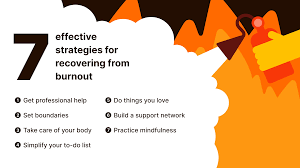
Career burnout is a state of chronic physical, emotional, and mental exhaustion caused by prolonged stress at work. It can leave professionals feeling drained, demotivated, and disconnected from their careers. Recognizing burnout and taking deliberate steps to recover is essential for long-term professional and personal well-being. This article explores strategies to recover from career burnout effectively.
1. Recognize the Signs of Burnout
Before recovery, awareness is crucial. Common signs include:
- Persistent fatigue and lack of energy
- Reduced motivation and engagement at work
- Difficulty concentrating or making decisions
- Cynicism or negativity towards colleagues or tasks
- Physical symptoms like headaches, insomnia, or digestive issues
Acknowledging these symptoms allows you to take timely action before burnout worsens.
2. Take a Step Back
Recovery begins with space for reflection:
- Consider taking short breaks, vacation days, or mental health leave
- Temporarily reduce workload or delegate tasks
- Reflect on your career goals, work habits, and stress triggers
Distance from daily pressures helps gain perspective and clarity on the next steps.
3. Reassess Career Goals and Priorities
Burnout often signals a mismatch between current work and personal values or aspirations:
- Evaluate whether your role aligns with long-term goals
- Identify tasks that are fulfilling versus draining
- Consider rebalancing responsibilities or exploring new opportunities
Aligning work with your values reduces stress and increases motivation.
4. Develop Healthy Work Habits
Preventing future burnout involves adopting sustainable routines:
- Set clear boundaries between work and personal life
- Prioritize tasks using effective time management
- Avoid overcommitting; learn to say no politely
- Schedule breaks and downtime during the workday
Healthy work habits promote energy, focus, and long-term resilience.
5. Practice Stress Management Techniques
Managing stress effectively accelerates recovery:
- Engage in mindfulness, meditation, or breathing exercises
- Incorporate physical activity, such as walking, yoga, or gym workouts
- Maintain a balanced diet and ensure sufficient sleep
- Use journaling or reflective practices to process emotions
Stress management strengthens mental and emotional resilience.
6. Seek Support
You don’t have to recover alone:
- Talk to trusted colleagues, friends, or family about your experiences
- Seek professional counseling or coaching if needed
- Join support groups or peer networks for shared experiences
External support provides perspective, encouragement, and accountability.
7. Reignite Passion for Your Work
Rediscovering meaning and engagement helps overcome burnout:
- Focus on tasks or projects that excite you
- Identify areas where you can apply creativity or problem-solving
- Celebrate small accomplishments to regain a sense of achievement
Engaging in meaningful work restores motivation and professional satisfaction.
8. Learn to Delegate and Collaborate
Burnout often stems from taking on too much responsibility:
- Identify tasks that can be delegated or shared
- Collaborate with colleagues to distribute workload effectively
- Develop trust in your team’s capabilities
Delegation reduces stress and allows focus on high-value contributions.
9. Implement Gradual Change
Recovery is a process, not an instant fix:
- Adjust work habits incrementally
- Reintroduce challenging tasks slowly
- Monitor stress levels and adapt strategies as needed
Gradual adjustments ensure sustainable recovery and prevent relapse.
10. Maintain Continuous Self-Care
Long-term prevention of burnout relies on ongoing self-care:
- Regularly schedule personal time and hobbies
- Engage in activities that recharge energy and creativity
- Set realistic career goals that balance ambition and well-being
- Reflect periodically to assess alignment with values and satisfaction
Self-care ensures resilience and enhances overall career satisfaction.
Leave a Reply