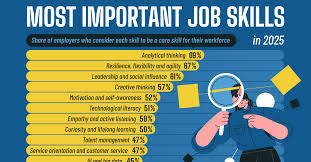
The workplace is evolving faster than ever, driven by technology, AI, and globalization. Professionals who proactively identify and develop the most valuable skills for 2025 will remain competitive, adaptable, and future-ready. Recognizing these skills early allows you to invest in learning strategically and position yourself for career growth. This article explores practical methods to identify and prioritize high-value skills for the near future.
1. Analyze Industry Trends
Start by understanding the trajectory of your industry:
- Research emerging technologies, tools, and practices
- Identify sectors experiencing rapid growth or transformation
- Review reports from credible sources like LinkedIn, McKinsey, or the World Economic Forum
Staying informed ensures you focus on relevant skills and in demand.
2. Observe Organizational Needs
High-value skills often reflect organizational priorities:
- Look at your company’s strategic goals and initiatives
- Identify roles and projects critical to success
- Pay attention to repeated skill requirements in job postings
Aligning your skill development with organizational needs increases your professional value.
3. Study Market Demand and Job Postings
Job market data is a strong indicator of future skill requirements:
- Analyze multiple job postings for emerging roles in your field
- Note recurring technical skills, software, or certifications
- Track trends in leadership, soft skills, and interdisciplinary capabilities
This method provides a data-driven view of what employers prioritize.
4. Consult Thought Leaders and Industry Experts
Industry thought leaders often highlight key competencies:
- Follow expert blogs, LinkedIn posts, podcasts, or webinars
- Attend conferences and workshops to learn about evolving skill requirements
- Engage with professional networks to gain insights from peers
Experts provide foresight into skills likely to shape the future workplace.
5. Focus on Transferable Skills
Certain skills remain valuable across industries and roles:
- Critical thinking and problem-solving: Applying insights to solve complex challenges
- Emotional intelligence: Navigating relationships and leading effectively
- Communication and collaboration: Working across teams and geographies
- Adaptability and learning agility: Thriving in changing environments
Transferable skills provide long-term resilience in an uncertain job market.
6. Prioritize Digital and Technological Competencies
Digital literacy is essential in the AI-driven world:
- Basic proficiency in AI, data analytics, cloud computing, and cybersecurity
- Understanding automation tools and digital workflows
- Familiarity with emerging platforms and technologies relevant to your role
Digital skills are increasingly central to career competitiveness.
7. Explore Emerging Interdisciplinary Skills
Future roles often require hybrid skill sets:
- Combining domain expertise with data analytics, AI, or digital marketing
- Integrating technical knowledge with leadership and communication
- Learning multiple complementary disciplines for innovative solutions
Interdisciplinary skills position you as a versatile professional in 2025 and beyond.
8. Conduct Self-Assessment Against Future Needs
Evaluate your current skills relative to projected demand:
- Identify gaps between your capabilities and future requirements
- Assess which high-value skills you already possess
- Prioritize skills that enhance both immediate performance and long-term relevance
Self-assessment ensures focused investment in development.
9. Seek Mentorship and Guidance
Mentors can provide insight into future-ready skills:
- Ask experienced professionals about emerging skill needs in your industry
- Gain guidance on which skills have the highest ROI for growth
- Discuss career paths that leverage these capabilities effectively
Mentorship helps you navigate skill-building strategically.
10. Create a Skill Development Roadmap
Once valuable skills are identified, plan structured development:
- Set SMART goals for learning new skills
- Use online courses, certifications, workshops, and hands-on projects
- Track progress and update your roadmap regularly based on market changes
- Combine technical, soft, and transferable skills for holistic growth
A roadmap ensures that your learning is deliberate, measurable, and aligned with future opportunities.