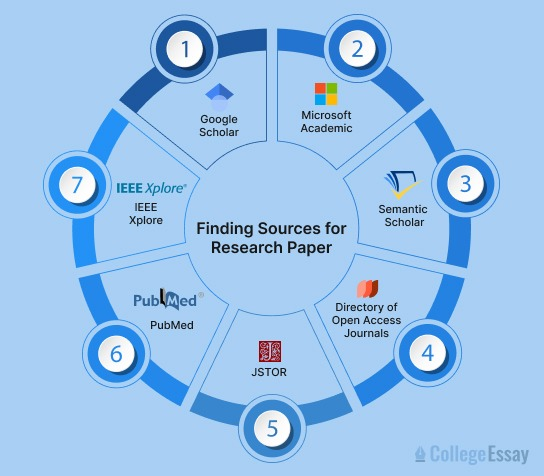
Research papers depend on good organization. When you’re collecting information from different books, journals, and websites, it’s easy to get lost in a sea of notes and links. Organizing your sources properly saves time, prevents confusion, and helps you write more smoothly. It also makes it easier to cite correctly and avoid plagiarism.
The first thing to do is keep a research notebook or document. Every time you find a useful source, write down the title, author, year, and page numbers. Add a few notes about why that source is relevant. For example, you might write, “Good for background on environmental policy” or “Strong argument for renewable energy.” That way, when you’re writing later, you don’t have to reread everything to remember what it was about.
Digital tools can help too. Apps like Zotero, Mendeley, or EndNote allow you to store, tag, and organize your references automatically. You can even save PDFs and notes directly under each citation. These tools also format your citations in APA, MLA, or Chicago style — which saves hours of work later.
Another smart way to organize sources is by theme or category. Let’s say your research is about mental health among college students. You might group your sources into categories like “Causes of stress,” “Effects on performance,” and “Coping strategies.” This helps you see patterns and connect ideas more clearly. When you start writing, each category can become a section in your paper.
Be careful with online sources. Always check if they’re reliable. Academic journals, books, and government reports are trustworthy. Blog posts or random websites might not be. Keeping track of which sources are credible helps your paper stay strong and professional.
When taking notes, use your own words as much as possible. Write short summaries instead of copying large chunks of text. This helps you understand the material better and reduces the risk of plagiarism later. Always include the page number next to any direct quote you write down.
As your research grows, your list of sources might become long. Create a working bibliography — a document where you list all your sources alphabetically, formatted properly. Even if some don’t make it into your final paper, it’s good to keep a record of everything you read. You never know when you might need to refer back.
Review your sources regularly. Sometimes you’ll find that a few aren’t as relevant as you thought, while others become more important. Adjust your list as you go. Good research is flexible — it changes as you discover more.
Finally, double-check every citation before submitting your paper. Make sure the names, dates, and titles are correct and consistent. A well-organized reference list shows that you care about accuracy and academic integrity. It’s one of the simplest ways to make your paper look polished and professional.
Final Thought:
Organizing sources isn’t just about neatness — it’s about thinking clearly. When your research is organized, your writing becomes more focused, your arguments stronger, and your work more credible. Good organization saves time, reduces stress, and shows that you’re a serious, responsible student.
Leave a Reply