Category: education

  • Top Career Mistakes Professionals Should Avoid

    Top Career Mistakes Professionals Should Avoid

    Building a successful career is not only about what you do — it is also about what you avoid doing. Many professionals unknowingly make mistakes that slow down their growth, limit their opportunities, and reduce their progress. These mistakes often seem small in the moment, but over time, they have a major impact on career success.

    This article highlights the most common career mistakes professionals make and provides guidance on how to avoid them.

    1. Not Setting Clear Career Goals

    One of the biggest mistakes is simply “going with the flow.” Without a clear direction, professionals often end up in roles that do not match their potential.

    Why it matters:

    Without goals:

    • Your efforts lack focus.
    • Opportunities that don’t benefit you may distract you.
    • You cannot measure growth or improvement.

    How to avoid:

    • Define where you want to be in 1 year, 3 years, and 5 years.
    • Write goals that are specific, realistic, and aligned with your strengths.

    Example:
    Instead of “I want a good job,” try:

    “I want to become a Marketing Specialist in the tech sector within 1 year, with a strong portfolio and certification.”

    Clear goals lead to clear decisions.

    2. Ignoring Continuous Learning

    Industries evolve fast — new tools, new technologies, new work styles. If you stop learning, your skills become outdated.

    Common signs of this mistake:

    • Feeling “comfortable” with current work
    • Avoiding new tools or training
    • Believing your degree is enough

    How to avoid:

    • Take online certificates (LinkedIn Learning, Coursera, Udemy)
    • Stay updated with industry blogs, podcasts, and professional groups
    • Attend webinars, workshops, and meetups

    Learning should be a lifelong habit, not a one-time phase.

    3. Neglecting Networking

    Many professionals focus only on improving technical skills — but your network is often more powerful than your resume.

    Why networking matters:

    • Job referrals increase your hiring chances significantly.
    • Mentors provide growth guidance.
    • Connections lead to collaboration and opportunity.

    How to build better networks:

    • Connect with people in your field on LinkedIn.
    • Engage in conversations instead of just adding contacts.
    • Share your learning journey and insights openly.

    Remember:
    Opportunities often come from people, not job boards.

    4. Staying Too Long in an Unfulfilling Job

    Many people remain stuck in jobs that:

    • Don’t challenge them
    • Don’t pay fairly
    • Don’t allow growth
    • Cause stress or burnout

    Why professionals stay:

    • Fear of change
    • Lack of confidence
    • Comfort zone mentality

    How to avoid:

    If your job isn’t helping you grow or glow, it may be time to:

    • Discuss development opportunities with your manager
    • Learn new skills to expand your options
    • Explore new roles or industries slowly and strategically

    Staying too long in the wrong place limits your future potential.

    5. Not Documenting Achievements

    Many professionals work hard but forget to record their results.
    Then, during performance reviews or interviews, they struggle to prove their impact.

    How to avoid:

    Create a Career Achievement Log, including:

    • Successful projects
    • Performance improvements
    • Measurable outcomes (e.g., “Increased sales by 15%”)
    • Certificates, workshops, courses completed

    When opportunities arise, you will have evidence ready.

    6. Avoiding Change and Innovation

    Some employees resist new processes or technologies simply because they are comfortable with old ways.

    But industries reward:

    • Adaptability
    • Innovation
    • Efficiency

    How to avoid:

    • Be open-minded about new systems and tools.
    • Suggest improvements instead of complaining.
    • Participate in pilot projects or training programs.

    Professionals who adapt quickly stay relevant.

    7. Poor Communication Skills

    Even highly skilled professionals struggle if they cannot communicate clearly.

    Common issues:

    • Vague emails
    • Weak presentations
    • Difficulty explaining ideas
    • Misunderstandings in meetings

    How to improve:

    • Practice speaking clearly and confidently.
    • Write structured and concise messages.
    • Ask questions to avoid confusion.
    • Participate in discussions rather than staying silent.

    Good communication increases:

    • Respect
    • Influence
    • Leadership potential

    8. Not Seeking Feedback

    Feedback helps you improve — but many avoid it because:

    • They fear criticism
    • They take feedback personally

    How to avoid:

    • Ask colleagues and supervisors for honest feedback.
    • Accept it with openness — not defensiveness.
    • Create an improvement plan based on feedback.

    Feedback is not judgment — it is growth information.

    9. Trying to Do Everything Alone

    Some professionals hesitate to ask for help, thinking it makes them look weak. But trying to handle everything alone can lead to:

    • Burnout
    • Mistakes
    • Missed deadlines

    How to avoid:

    • Ask for guidance when needed
    • Collaborate with others
    • Delegate when possible

    Teamwork increases efficiency and performance quality.

    10. Ignoring Work-Life Balance

    Career success is meaningful only if health and life are balanced.
    Working without rest leads to:

    • Stress
    • Lack of motivation
    • Poor mental and physical health

    How to avoid:

    • Set work time and rest time clearly.
    • Avoid unnecessary overtime.
    • Protect personal, family, and self-care time.

    Balance increases productivity, happiness, and long-term career sustainability.

  • How to Switch Careers Without Losing Experience Value

    How to Switch Careers Without Losing Experience Value

    Switching careers can be one of the most transformative decisions in a professional journey. Whether motivated by passion, better opportunities, financial reasons, or personal fulfillment, many people consider career change at some point. However, a common concern is: “Will I lose the value of my past experience?”

    The good news is — you don’t have to start over. If approached strategically, your previous experience can become one of your biggest strengths in your new field. The key is to identify your transferable skills, reframe your experience, and build a strategic transition plan.

    This article explains how to transition to a new career while maintaining and maximizing the value of your professional background.

    1. Understand Your Reason for Changing Careers

    Before switching careers, be clear about why. Clarity keeps you motivated and focused during the transition.

    Common reasons for career change:

    • Desire for a new challenge
    • Higher earning potential
    • Better work-life balance
    • Interest in a different field
    • Burnout or dissatisfaction in current role
    • Desire for remote or flexible work

    Write down your reason. A clear “why” strengthens decision-making during challenges.

    2. Identify Transferable Skills

    Transferable skills are skills that move with you, regardless of industry. These may include:

    Soft Skills

    • Communication
    • Leadership
    • Organization
    • Time management
    • Critical thinking
    • Problem-solving
    • Collaboration

    Professional/Workplace Skills

    • Project management
    • Customer service
    • Report writing
    • Team coordination
    • Conflict resolution

    These skills are valuable everywhere — in corporate, freelance, entrepreneurship, and management roles.

    How to Identify Your Transferable Skills

    1. List your previous job responsibilities.
    2. Highlight what skills were used to perform those tasks.
    3. Match those skills to your new career’s requirements.

    This ensures your past work experience remains meaningful.

    3. Research Your Target Career Thoroughly

    To reduce risk and confusion, research your chosen new field comprehensively.

    Research Areas:

    • Job roles and responsibilities
    • Required skills and certifications
    • Industry salary ranges
    • Work environment (remote/on-site)
    • Growth opportunities

    Sources to use:

    • LinkedIn job descriptions
    • YouTube “Day in the Life” videos
    • Industry blogs and forums
    • Joining LinkedIn groups
    • Speaking with people already in the field

    Understanding expectations makes your transition smoother and strategic.

    4. Build a Skills Gap Plan

    Most career changes require learning new technical or industry-specific skills.

    Steps to Build Your Skill Plan:

    1. Identify missing skills.
    2. Find the best platforms to learn them:
      • Coursera
      • Udemy
      • LinkedIn Learning
      • Khan Academy
      • FreeCodeCamp (for tech)
    3. Practice through small projects.
    4. Document everything in a portfolio.

    Learn Gradually

    Allocate:

    • 1 hour per day or
    • 6–7 hours per week

    Consistency > Cramming.

    5. Repackage Your Past Experience

    The secret to not “starting over” is learning to reframe your past experience to match your new career narrative.

    Example:

    If you worked in Sales and want to move into Digital Marketing:

    • Sales taught you customer psychology → Useful for marketing messaging.
    • Sales required communication → Useful for content strategy.
    • Sales required persuasion → Useful for branding and campaign planning.

    You are not starting from zero — you are transferring and transforming your experience.

    6. Update Your Resume, LinkedIn, and Portfolio

    Your resume should highlight:

    • Transferable skills
    • Measurable achievements
    • Relevant experience
    • Projects related to your new field

    Even if they were personal, academic, or volunteer projects — they still count.

    LinkedIn Tips:

    • Update your headline to reflect your new target field.
    • Share posts about what you’re learning.
    • Engage with professionals in the industry.
    • Display certifications and portfolio samples.

    Your online presence tells your new career story.

    7. Gain Real Experience to Build Credibility

    Experience validates your ability in the new field. You can gain experience by:

    • Freelancing on platforms like Upwork or Fiverr
    • Helping local businesses
    • Doing internship or apprenticeship work
    • Collaborating on volunteer or non-profit projects
    • Completing guided real-world projects from certification courses

    This proves that you can perform tasks in your new industry.

    8. Create a Career Transition Timeline

    A structured timeline prevents overwhelm.

    Time FrameAction Step
    Month 1–2Research + Take foundational courses
    Month 3–4Build small projects + update resume
    Month 5–6Apply for internships/freelance opportunities
    Month 7–9Expand portfolio + start applying for full-time roles

    A plan makes the process manageable and achievable.

    9. Leverage Your Network

    Reach out to people already working in your target field.

    Ask:

    • How did they get started?
    • What mistakes should you avoid?
    • What skills do employers value most?

    Networking leads to:

    • Job referrals
    • Mentorship opportunities
    • Industry insights

    Most career transitions accelerate through people, not just skills.

    10. Stay Patient and Consistent

    Career change is a journey — not a quick switch.
    You may face:

    • Slow progress at the start
    • Self-doubt
    • Competition
    • Learning challenges

    But if you stay consistent:

    • Skills will grow
    • Opportunities will appear
    • Confidence will rise

    Success favors persistence.

  • Self-Assessment Tools for Choosing the Right Career

    Self-Assessment Tools for Choosing the Right Career

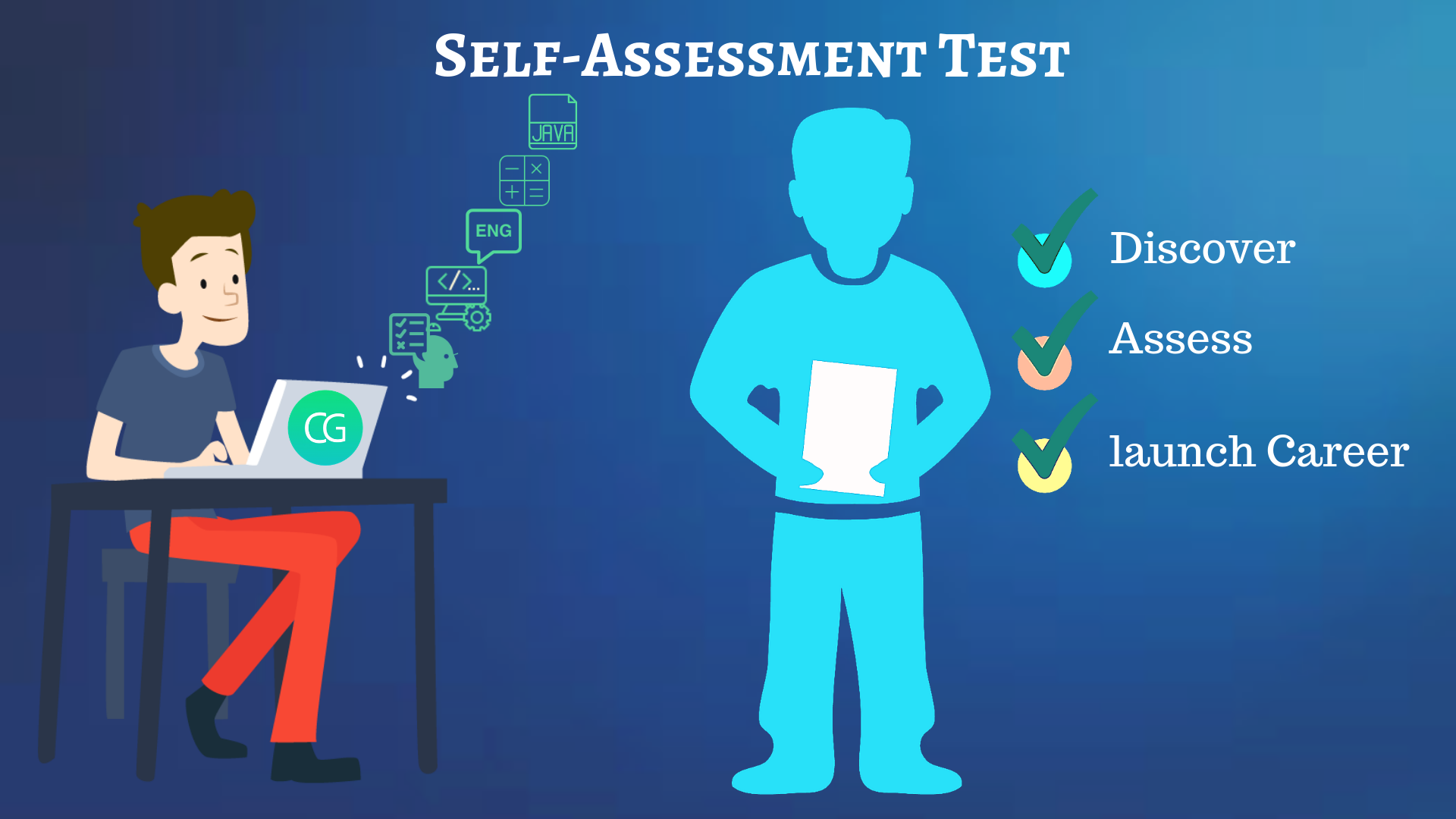
    Choosing the right career is one of the most significant decisions in a person’s life. A well-chosen career path leads to growth, fulfillment, and stability, while a poorly chosen one can lead to stress, dissatisfaction, and repeated job changes. One of the most effective ways to choose the right career is by using self-assessment tools. These tools help you understand your personality, interests, strengths, values, and work style—allowing you to match yourself with careers that fit who you are.

    This article explains the importance of self-assessment and provides a detailed guide to the best tools you can use to choose a career that aligns with your identity and long-term goals.

    1. Why Self-Assessment Matters in Career Planning

    Self-assessment helps you make informed career decisions by answering key questions:

    • What am I naturally good at?
    • What work activities energize me?
    • What environments make me comfortable?
    • What personal values guide my career choices?
    • What kind of lifestyle do I want?

    Without understanding yourself, career decisions become guesswork.
    With clarity, you select careers aligned with your personality and purpose.

    2. Areas of Self-Assessment

    To get a complete understanding of yourself, evaluate the following:

    AreaWhat It RevealsWhy It Matters
    PersonalityHow you think, behave, and reactDetermines work culture and job fit
    SkillsTechnical + soft abilitiesShows what tasks you can perform well
    InterestsWhat you enjoy doingEnsures long-term career satisfaction
    ValuesWhat’s important to youHelps avoid stress and conflicts in work life
    Work StyleHow you handle tasks and collaborationDetermines role suitability (team vs independent work)

    Understanding each of these areas helps form a clear picture of the career fields where you will thrive.

    3. Recommended Self-Assessment Tools

    Below are some of the most effective and widely recognized self-assessment tools used globally.

    A. Personality Assessment Tools

    1. Myers-Briggs Type Indicator (MBTI)

    • Categorizes individuals into 16 personality types
    • Helps identify communication style and work environment preference
    • Useful for choosing roles that align with personality strengths

    Examples:

    • ENTJ → Leadership, management roles
    • INFJ → Counseling, creative strategy
    • ISTP → Technical or analytical work

    2. DISC Assessment

    • Measures behavior in four areas: Dominance, Influence, Steadiness, Compliance
    • Helps determine how you interact with people and handle conflict
    • Useful for teamwork and leadership roles

    B. Strengths Identification Tools

    3. CliftonStrengths (StrengthsFinder)

    • Identifies your top natural talents
    • Helps you understand what tasks come easily and feel rewarding
    • Encourages building your career around what you do best, not weaknesses

    4. VIA Character Strengths Survey

    • Focuses on personal qualities like integrity, creativity, and empathy
    • Useful for careers requiring emotional intelligence and social connection

    C. Career Interest Tools

    5. Holland Code (RIASEC) Test

    • Categorizes interests into 6 types:
      Realistic, Investigative, Artistic, Social, Enterprising, Conventional
    • Matches your interests to suggested job families

    Example:

    • Artistic → Designer, Writer, Marketing Creative
    • Investigative → Analyst, Researcher, Scientist

    6. CareerExplorer by Sokanu

    • Provides career recommendations based on interest + aptitude + personality
    • Gives detailed job matches and required qualifications

    D. Skills and Competency Assessment Tools

    7. Skillshare Assessments / LinkedIn Skill Exams

    • Helps identify your level of competency in technical or professional skills
    • Useful for improving credibility in resumes and LinkedIn profiles

    8. Coursera and Udemy Skill Path Recommendations

    • Suggests structured learning paths based on your skill gaps and interests

    E. Values Clarification Tools

    9. Work Values Inventory

    • Helps you identify what you prioritize at work:
      • Salary
      • Stability
      • Creativity
      • Leadership
      • Work-life balance

    10. Career Fitter Assessment

    • Matches values and personality with work environments

    4. How to Use These Tools Effectively

    Self-assessment tools alone won’t solve your career questions—they must be interpreted and applied thoughtfully.

    Follow these steps:

    1. Take multiple assessments, not just one.
    2. Write down recurring patterns — your strengths and preferences.
    3. Compare results across tools to see similarity.
    4. Match your profile with careers that consistently appear in your results.
    5. Research each career — salary, work environment, growth potential.
    6. Test your interest through courses, internships, or freelance projects.

    When patterns align in personality, interests, and strengths — you’ve found a strong career fit.

    5. Benefits of Self-Assessment in Career Selection

    • Reduces confusion and guesswork
    • Increases confidence in career decisions
    • Helps avoid job dissatisfaction or burnout
    • Improves performance, productivity, and engagement
    • Makes career growth faster and more strategic

    Choosing a career that fits your identity is not just practical — it leads to long-term happiness and success.

    6. Common Mistakes to Avoid

    MistakeWhy It’s a Problem
    Choosing a career based on salary onlyLeads to burnout and dissatisfaction
    Following trends blindlyNot every trending job suits every person
    Copying peers or family expectationsEveryone has unique strengths and values
    Ignoring personality and work environment fitLeads to workplace stress and conflict

    Self-awareness is always more valuable than trends.

  • Career Mapping Techniques for Young Professionals

    For young professionals entering the workforce, career growth can feel overwhelming and uncertain. With so many industries, job roles, and evolving expectations, it’s easy to lose direction. Thapping is a structured is where career mapping becomes essential. Career m process that allows you to analyze where you currently are, where you want to go, and how to get there. It transforms your professional journey into a clear and achievable roadmap, guiding your decisions and actions toward long-term success.

    1. What is Career Mapping?

    Career mapping involves identifying:

    • Your current skills and experiences
    • Your long-term career goals
    • The steps required to reach those goals

    It helps you connect the present with the future. Unlike random job-hopping, career mapping provides clarity, direction, and purpose, enabling faster and smarter professional growth.

    2. Why Career Mapping Matters for Young Professionals

    Young professionals often start their careers without a defined path. Without clarity, they may:

    • Accept jobs not aligned with their interests
    • Feel stuck in roles with no growth
    • Switch careers multiple times unnecessarily
    • Underestimate their true potential

    Career mapping prevents these issues by helping you:

    • Make intentional career decisions
    • Develop the right skills at the right time
    • Stay motivated and confident
    • Avoid common early-career mistakes

    3. Self-Assessment: Know Where You Stand

    Before planning your future, you must understand yourself. A strong career map begins with self-awareness.

    Assess:

    • Skills (Technical & Soft)
    • Strengths (What you naturally excel at)
    • Interests (What type of work engages you)
    • Values (What matters most—salary, flexibility, stability, creativity, etc.)
    • Personality Type (Introverted/Extroverted, Analytical/Creative, etc.)

    Helpful Tools:

    • Myers-Briggs Type Indicator (MBTI)
    • Clifton StrengthsFinder
    • Holland Code (RIASEC)
    • DISC Assessment

    These assessments offer clarity about the work environments and roles that suit you best.

    4. Define Your Long-Term Career Goal

    Your long-term goal is your destination. It defines what you want to achieve in the next 5–10+ years.
    Examples:

    • Become a Senior Software Engineer
    • Become a Marketing Strategist
    • Start your own business
    • Become a Product Manager
    • Become a Creative Director

    Your goal should reflect both your passion and practical market opportunities.

    5. Break Your Goal into Milestones

    Once you know your destination, break it into achievable milestones.

    Time FrameMilestone Example (for Software Developer)
    Short-Term (6–12 months)Learn programming languages, build small projects
    Mid-Term (1–3 years)Work in development roles, contribute to real products
    Long-Term (3–6 years)Lead development teams, specialize in an advanced field

    Milestones keep your progress measurable and realistic.

    6. Create a Skill Pathway

    Every career path requires a specific set of skills. Break skills into two categories:

    Technical Skills

    These depend on the industry. For example:

    • Marketers → SEO, Google Ads, Content Strategy
    • Data Analysts → SQL, Python, Power BI
    • Designers → Figma, UI/UX Systems
    • Finance Professionals → Excel, Financial Modelling

    Soft Skills

    These are essential across all careers:

    • Communication
    • Team Collaboration
    • Public Speaking
    • Problem-Solving
    • Time Management
    • Leadership

    Create a learning plan:

    • Take online courses
    • Attend workshops and webinars
    • Work with mentors
    • Practice through real projects

    Continuous learning is key to upward mobility.

    7. Explore Possible Career Routes

    There is rarely one path to success. Most careers have multiple routes.

    For example, to become a Product Manager:
    Possible paths include:

    • Start as Business Analyst → PM
    • Start as Software Engineer → PM
    • Start as UX Designer → PM
    • Start in Operations → PM

    Explore multiple pathways and select the one that aligns with your strengths and experience.

    8. Gain Practical Experience Early

    Experience is more valuable than theoretical knowledge—especially for young professionals.

    Ways to gain experience:

    • Internships
    • Freelancing
    • Volunteer projects
    • Part-time roles
    • University or community organization involvement

    Even small projects build credibility and skills.

    9. Build Your Professional Network

    Networking is often the most overlooked part of early career development.
    A strong network helps you:

    • Learn from industry leaders
    • Discover job opportunities
    • Receive mentorship
    • Stay informed about industry trends

    Use LinkedIn to:

    • Connect with professionals in your field
    • Share your learning journey
    • Ask thoughtful questions
    • Participate in industry-specific groups

    Networking is not about asking for favors—it is about building meaningful professional relationships.

    10. Review and Update Your Career Map Regularly

    Career maps are not fixed. Interests change, industries evolve, and opportunities shift.
    Review your career map every:

    • 6 months
    • After major achievements
    • After challenges or failures

    Ask:

    • Am I moving closer to my goal?
    • Do I need to learn new skills?
    • Do I still enjoy the direction I’m following?

    Adjust your path while keeping your long-term vision in mind.

  • How to Set Measurable Goals for Career Advancement

    How to Set Measurable Goals for Career Advancement

    Career advancement does not happen by accident—it happens through planning, clear direction, and consistent effort. One of the most powerful methods to ensure continuous career growth is to set measurable and actionable goals. Measurable goals help you track progress, stay motivated, and remain aligned with your long-term professional vision. Without clear goals, even talented professionals can feel stuck, frustrated, or directionless in their careers.

    This article outlines how to set measurable goals that drive meaningful and continuous career advancement.

    1. Understand Why Measurable Goals Matter

    Goals are effective only when they are specific and trackable.
    Measurable goals:

    • Provide clarity on what you need to achieve
    • Help you maintain focus and avoid distractions
    • Build confidence as you track progress
    • Make it easier to evaluate performance
    • Encourage accountability and discipline

    In contrast, vague goals like “I want to grow in my career” lack direction and are difficult to act upon.

    2. Use the SMART Framework

    The most widely used system for goal-setting is the SMART model. SMART goals are:

    LetterMeaningExample
    SSpecificBecome a certified Project Manager
    MMeasurableComplete certification course and pass exam
    AAchievableDedicate 1 hour daily to study
    RRelevantThis certification helps me advance to project leadership roles
    TTime-boundComplete within 4 months

    Using SMART goals ensures your goals are practical and actionable.

    3. Align Your Goals with Your Long-Term Career Vision

    Before setting short-term goals, it’s essential to understand where you want to be in the long run.
    Your short-term goals should be building blocks that support your long-term direction.

    For example:

    Long-Term Career VisionSupporting Measurable Goals
    Become a Data ScientistLearn Python, complete data analytics certification, build 5 real-world projects
    Move into Senior ManagementImprove leadership skills, complete management training, lead small internal teams
    Build a Personal BrandPost weekly content on LinkedIn, speak at networking events, and build a professional website

    This alignment ensures all your efforts contribute to meaningful progress.


    4. Break Down Large Goals into Smaller Action Steps

    Big goals can feel overwhelming, leading to procrastination. To stay consistent, break large goals into smaller tasks.

    For example, instead of saying:
    “Improve communication skills”

    Break it into:

    • Watch communication skill lectures every weekend
    • Practice presentations twice monthly
    • Join a public speaking club
    • Ask for feedback during meetings

    Small actions done consistently produce lasting results.

    5. Set Short-Term, Mid-Term, and Long-Term Goals

    Organizing goals by time range creates a balanced growth strategy.

    Time FramePurposeExample Goals
    Short-Term (1–6 months)Skill development & foundationLearn Excel, complete online certifications
    Mid-Term (6 months–2 years)Apply and refine skillsLead small teams, manage small projects
    Long-Term (2–5+ years)Achieve career milestonesBecome a manager, expert, or specialist

    This approach keeps you advancing steadily.

    6. Track and Measure Your Progress Regularly

    Monitoring progress helps you stay motivated and aware.
    You can track your goals using:

    • A digital planner (Notion, Trello, Google Sheets)
    • Weekly Progress Checklists
    • Monthly Performance Reviews
    • Skill Development Journals

    Ask yourself regularly:

    • What did I achieve this week?
    • What challenges did I face?
    • What can I improve next?

    This reflection prevents stagnation.

    7. Seek Feedback from Mentors and Colleagues

    Growth is faster when guided by others.
    Feedback helps you:

    • Understand blind spots
    • Improve performance
    • Learn industry expectations
    • Avoid repeating mistakes

    You can seek feedback by:

    • Asking for performance reviews from managers
    • Consulting mentors or career coaches
    • Joining professional peer groups

    Constructive feedback accelerates advancement.

    8. Build Skills That Support Your Career Growth

    Every role requires a mix of technical and soft skills.

    Technical Skills depend on your field.
    Examples:

    • Programmers → Coding languages
    • Marketers → Campaign analytics tools
    • Healthcare workers → Clinical skills

    Soft Skills are universal:

    • Communication
    • Teamwork
    • Leadership
    • Problem-solving
    • Adaptability

    While technical skills help you enter a field, soft skills help you grow and lead.

    9. Document Your Achievements

    Keeping a record of your accomplishments is crucial for:

    • Performance evaluations
    • Job promotions
    • Salary negotiations
    • Updating resumes and LinkedIn profiles

    Document:

    • Completed projects
    • Measurable results
    • Positive feedback or appreciation
    • Awards or recognitions

    Your achievement history is evidence of your growth and capability.

    10. Stay Consistent and Adapt as Needed

    Career advancement is not always linear.
    There may be setbacks, changes in interests, or shifts in industry demand.

    Key attitudes for success:

    • Consistency → Even small steps add up
    • Flexibility → Adjust goals when needed
    • Resilience → Learn from challenges instead of stopping

    Growth happens over time—not overnight.

  • Steps to Identify Your Ideal Career Path in 2025

    Steps to Identify Your Ideal Career Path in 2025

    Choosing the right career path has always been challenging, but in today’s rapidly changing work environment, it requires even more clarity and strategy. The year 2025 marks a period where technology, remote work, automation, and new business models are reshaping traditional career options. Many industries are evolving quickly, meaning professionals must be adaptable, informed, and proactive in selecting the best career direction.

    If you want to find your ideal career path in 2025, the following structured steps will help guide you toward clarity and confidence in your career decisions.

    1. Understand the Future Job Market

    Before choosing a career path, it’s essential to understand where opportunities are growing. Many traditional roles are becoming automated, while new roles are emerging. Researching future demand helps ensure your career remains relevant and secure.

    Key growing sectors in 2025 include:

    • Artificial Intelligence and Machine Learning
    • Cybersecurity
    • Cloud Computing
    • Digital Marketing
    • Healthcare & Biotechnology
    • E-Commerce and Logistics
    • Data Science and Analytics
    • Renewable Energy Technologies
    • Creative Content and Media

    Look for:

    • Job growth statistics
    • Salary trends
    • Skills required
    • Work environment (remote/on-site)

    Research sources:

    • LinkedIn Workforce Reports
    • Google Job Trends
    • Glassdoor and Indeed Job Insights
    • Industry-specific research publications

    This step ensures your career choice aligns with future market needs, not just current trends.

    2. Conduct a Deep Self-Assessment

    To choose a fulfilling career path, you must first understand yourself. A self-assessment involves evaluating your:

    Strengths

    These are skills you naturally excel at, such as communication, problem-solving, creativity, or analysis.

    Interests

    Your interests reveal what kind of work excites you—whether it involves technology, people, research, creativity, or business.

    Personality

    Your working style plays a major role in job satisfaction. Some roles require teamwork and collaboration, while others require independent focus.

    Values

    Your core values define what matters most:

    • Financial growth
    • Stability
    • Social impact
    • Flexibility
    • Leadership

    When your career matches your values, you feel motivated and productive.

    Useful Self-Assessment Tools:

    • MBTI (Myers-Briggs Type Indicator)
    • DISC Personality Assessment
    • StrengthsFinder
    • RIASEC Career Test

    These offer deep insights into your ideal work environment and professional style.

    3. Identify Your Transferable Skills

    Transferable skills are abilities that apply across jobs and industries. These include:

    • Communication
    • Teamwork
    • Project management
    • Leadership
    • Problem-solving
    • Time management
    • Creativity
    • Critical thinking

    Even if you change careers later, transferable skills protect your value.
    Make a list of skills you already have and compare them with the skills required in your target career

    4. Explore Career Options Through Research and Observation

    Once you have self-awareness, explore career fields that align with your profile.

    Ways to Research Careers:

    • Read job descriptions on LinkedIn, Glassdoor, and Indeed.
    • Watch professionals on YouTube sharing “Day in the Life” videos.
    • Join industry webinars and LinkedIn groups.
    • Analyze job postings to understand required skills and qualifications.

    Conduct Informational Interviews

    Reach out to professionals working in roles you’re interested in:

    • Ask what their daily responsibilities look like.
    • Understand challenges and rewards of the job.
    • Learn what qualifications actually matter.

    This approach helps you make informed decisions instead of guessing.

    5. Test Your Interest Through Small Experience

    The fastest way to discover if a career suits you is to try it in a small way.

    You can:

    • Take introductory online courses
    • Work on sample projects
    • Join internships or part-time roles
    • Volunteer for relevant work
    • Start small freelancing tasks

    Testing allows you to:

    • Validate your interest
    • Gain practical exposure
    • Identify skill gaps early

    Experience eliminates confusion and builds confidence.

    6. Define Your Career Goals Clearly

    Once you have shortlisted potential career paths, create SMART Goals:

    Type of GoalExample
    Short-Term (3–12 months)Complete a certification, attend industry training, build a portfolio
    Mid-Term (1–3 years)Work in your chosen industry, improve technical/leadership skills
    Long-Term (3–10 years)Reach senior positions, lead teams, or start your own business

    Setting clear goals turns your career direction into a practical action plan.

    7. Build a Skills Development Roadmap

    Every career path requires a set of skills. Break them into Technical Skills and Soft Skills.

    For example:

    • Digital Marketer → SEO, PPC Advertising, Content Strategy
    • Data Analyst → Excel, SQL, Python, Visualization Tools
    • Designer → Figma, UI/UX, Typography, Design Systems

    Create a learning schedule such as:

    • 1–2 hours per day
    • Weekly progress milestones
    • Monthly skill evaluations

    Consistent learning is more effective than learning everything at once.

    8. Develop a Professional Network

    Networking opens hidden opportunities, mentorship, and guidance.
    Use platforms like LinkedIn to:

    • Connect with industry professionals
    • Share your work, knowledge, and achievements
    • Ask questions and learn from experts
    • Attend online events and conferences

    A strong network accelerates career growth faster than skill alone.

    9. Gain Real Work Experience Early

    Experience is more valuable than theoretical knowledge.
    Try to gain experience through:

    • Internships
    • Freelancing
    • Apprenticeships
    • Project collaborations
    • College or community group involvement

    Employers value:

    • Real project experience
    • Work reliability
    • Adaptability

    This makes you job-ready.

    10. Review and Adapt Your Career Path Over Time

    The best career path is one that grows with you. As industries evolve, your interests and skills may also shift.
    Review your career direction every 6–12 months and adjust based on:

    • Market changes
    • New opportunities
    • Personal development
    • Goals achieved

    A flexible mindset ensures continual progress and relevance.

  • How to Edit Long Academic Documents Efficiently

    How to Edit Long Academic Documents Efficiently

    Editing a long academic paper can feel like climbing a mountain. After spending weeks or even months writing, the idea of reading it all over again can be exhausting. But good editing is what separates an average paper from a professional one. It helps make your arguments clearer, your structure smoother, and your writing more powerful.

    The key to editing long documents efficiently is to work in stages. Trying to fix everything at once only leads to confusion. Break your editing process into steps: structure, clarity, grammar, and formatting.

    Start with structure and organization. Read your paper from start to finish without focusing on spelling or grammar. Ask yourself: Does the paper flow logically? Does each section connect smoothly? Do your arguments build naturally toward your conclusion? Reorganize paragraphs if needed — sometimes moving one section can make the whole piece stronger.

    Next, focus on clarity and tone. Academic writing should be clear, not complicated. Read each sentence and ask: “Could this be said more simply?” Replace wordy phrases like “due to the fact that” with “because.” Avoid jargon unless it’s necessary. Remember, complex ideas can still be expressed in simple language.

    When your ideas are clear, move on to grammar and style. Use grammar-checking tools like Grammarly or ProWritingAid to catch typos or punctuation mistakes. But don’t rely on them completely — always double-check manually. Reading aloud helps you hear awkward phrasing or missing words.

    For long papers, edit in chunks. Don’t try to fix a 50-page thesis in one sitting. Divide it into sections — maybe one chapter or ten pages a day. This keeps your mind fresh and focused.

    Track your changes if you’re editing digitally. In Word or Google Docs, use “Track Changes” to keep a record of what you fix. It’s useful for reviewing progress or discussing edits with supervisors.

    Also, format as you go. Academic papers have strict formatting rules — margins, citations, headings, page numbers. Fix these gradually instead of leaving them all for the end. It’ll save you hours later.

    Take breaks between editing rounds. Your brain gets tired after staring at the same text for too long. Short breaks reset your focus, helping you catch mistakes you’d otherwise miss.

    Finally, before submission, print a copy and read it on paper. It’s amazing how many small errors you notice when you’re not looking at a screen.

    Final Thought:
    Efficient editing isn’t about speed — it’s about focus and patience. Working step by step helps you catch more mistakes and build a cleaner, stronger final draft. Remember, great papers aren’t just written — they’re edited with care.

  • Tips for Writing Clear and Concise Thesis Statements

    Tips for Writing Clear and Concise Thesis Statements

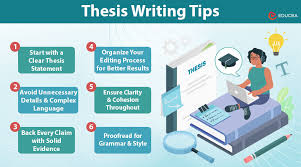
    A thesis statement is the heart of any essay or research paper. It tells the reader what your paper is about and what position you’re taking. A strong thesis keeps your writing focused and organized, while a weak one makes your argument unclear. Writing a good thesis statement might seem hard, but with a few simple steps, you can make it clear and powerful.

    First, understand what a thesis statement actually does. It’s not just a topic — it’s your opinion or argument about that topic. For example, “Social media” is just a topic. But “Social media has improved global communication but also increased the risk of misinformation” is a thesis. It tells the reader exactly what you’ll discuss and what you believe.

    A good thesis is specific, arguable, and focused. Avoid vague statements like “Technology is good” or “Pollution is bad.” These are too broad and say nothing new. Instead, be precise: “Renewable energy technology is the best solution to reduce pollution and create sustainable growth.” That gives readers a clear direction.

    Keep your thesis concise. It should usually fit into one or two sentences. Long, complicated theses can confuse readers. Say what you mean directly. For instance, instead of “In today’s modern society, there are many different ways that people can communicate, such as through social media, emails, and messaging apps, which have had both good and bad effects on relationships,” you could write, “Digital communication has made relationships faster but less personal.”

    Place your thesis at the end of your introduction. This helps guide the reader into your essay. Every paragraph after that should connect back to your thesis in some way. If a paragraph doesn’t relate, it doesn’t belong.

    A thesis should also be arguable. That means someone could disagree with it. A statement like “The earth orbits the sun” isn’t arguable — it’s a fact. But “Governments should invest more in renewable energy than in fossil fuels” invites discussion and analysis.

    To make your thesis stronger, ask yourself three questions:

    1. Does it answer the essay question clearly?
    2. Can someone reasonably disagree with it?
    3. Can you support it with evidence?

    If you can say yes to all three, you’ve got a solid thesis.

    When revising, read your thesis out loud. If it sounds confusing or too wordy, rewrite it. Shorter, sharper sentences are usually better. Use active voice instead of passive voice. For example, say, “Online learning improves flexibility” instead of “Flexibility is improved by online learning.”

    Avoid filler words like “very,” “really,” or “a lot.” They weaken your statement. Also, avoid uncertain language like “I think” or “I believe.” Be confident. Instead of “I think social media affects students,” say, “Social media affects students’ focus and academic performance.” Confidence makes your writing stronger.

    Finally, remember that your thesis can evolve. As you research and write, your understanding might change — and that’s okay. Update your thesis to match your final argument. Writing is a process, not a one-time task.

    Final Thought:
    A clear and concise thesis is the foundation of great writing. It guides your reader and keeps your ideas focused. When your thesis is strong, every part of your essay becomes easier to write. Think of it as your paper’s compass — if it points clearly, your whole argument stays on course.

  • How to Present Data in Academic Reports

    How to Present Data in Academic Reports

    Presenting data is one of the most important parts of academic writing. It’s how you turn numbers and findings into something that makes sense for readers. A report full of raw data might look impressive, but if it’s not clear or easy to understand, it loses its value. Presenting data effectively means combining accuracy, clarity, and visual appeal.

    The first rule of data presentation is know your purpose. Why are you showing this data? Are you proving a point, supporting a hypothesis, or explaining a trend? Your purpose will decide how to organize and display information. For example, if you’re showing growth over time, a line graph works best. If you’re comparing categories, a bar chart or table may be more effective.

    Clarity is everything. Don’t overload your report with unnecessary numbers or details. Show only what supports your argument or analysis. Too much data can confuse the reader. For every chart or table, ask yourself: “Does this help explain my point?” If not, leave it out.

    When you use tables, make sure they are clean and labeled properly. Every table should have a title that tells what the data shows. Label columns and rows clearly, and include units like “percent,” “kilograms,” or “years.” Always cite where your data comes from, especially if it’s from another source.

    For graphs and charts, simplicity works best. Avoid bright colors or cluttered designs. Use labels, legends, and scales that are easy to read. Your goal is to help readers understand your results quickly, not to decorate the page.

    Explain your data in words, too. Never just drop a chart and move on. Describe what the data means. For example, don’t just show a bar graph of test results — explain what it shows: “As seen in Figure 2, students who studied more than three hours daily scored significantly higher.” Linking visuals to text helps readers follow your reasoning.

    Keep your formatting consistent. Use the same font size, style, and layout for all visuals. This makes your report look professional and organized. Place figures near the text that discusses them, so readers don’t have to flip pages to find context.

    If you’re using statistical results, explain them in plain language. Instead of writing, “p < 0.05,” you can add, “The results are statistically significant, meaning the difference was unlikely due to chance.” Clear explanations make your report accessible to readers who may not have a strong math background.

    Avoid manipulating data to fit your argument. Academic honesty means showing results truthfully, even if they don’t match your expectations. Misleading charts — like cutting off the y-axis to exaggerate changes — might seem tempting but can destroy your credibility.

    Use appendices for extra data. If you have large tables or detailed calculations, move them to the appendix and refer to them in your main report. This keeps your main content focused while still providing full transparency.

    Finally, practice visual balance. Too many visuals can be as bad as too few. Choose visuals that add meaning, not just decoration. Every graph or chart should help tell your story more clearly.

    Final Thought:
    Good data presentation turns information into understanding. It’s not about showing off numbers — it’s about making them speak. When you present data clearly, honestly, and simply, your report becomes stronger, and your message becomes impossible to ignore.

  • Best Practices for Group Research Projects

    Best Practices for Group Research Projects

    Group projects can be exciting or stressful, depending on how well everyone works together. Collaboration teaches valuable skills like teamwork, communication, and organization. But it also comes with challenges — different schedules, work habits, and opinions. Following some best practices can make group research smoother and more productive.

    The first step is clear planning. Before starting, the group should meet and discuss goals, deadlines, and individual strengths. Assign roles early — one person might handle research, another might focus on writing, another on editing or presentation. Knowing who does what prevents confusion later.

    Set clear deadlines for each stage of the project. Waiting until the last week always leads to panic. Create a timeline with small goals — finishing research, drafting sections, editing, and final proofreading. Everyone should agree to follow the schedule.

    Communication is key. Use group chats, video calls, or shared documents to stay connected. Regular updates keep everyone on track. If someone falls behind, talk about it early instead of waiting until the last minute.

    Respect different opinions. Group work often involves disagreements. Instead of arguing, focus on finding common ground. Use evidence to support decisions rather than personal opinions.

    Always share files in one place, like Google Drive or OneDrive. That way, everyone can access the latest version. Losing documents or working on outdated drafts causes unnecessary stress.

    During the writing process, make sure the tone and style stay consistent. If each member writes in a completely different voice, the paper will feel disconnected. Assign one or two members to review and smooth out the final version.

    Don’t forget about citations and formatting. Everyone should follow the same style (APA, MLA, etc.). Mixing citation styles can make your paper look messy and unprofessional.

    When presenting research, practice together. Group presentations work best when everyone knows their part and timing. Support each other — don’t interrupt or talk over your teammates. A confident, united group always makes a strong impression.

    Finally, reflect as a team after submission. Discuss what went well and what could improve next time. Reflection helps everyone grow and makes future collaborations easier.

    Final Thought:
    Group projects teach more than just academic skills — they teach cooperation, patience, and leadership. When everyone communicates openly and respects each other’s efforts, teamwork turns into success. Collaboration isn’t easy, but it’s one of the most rewarding parts of learning.