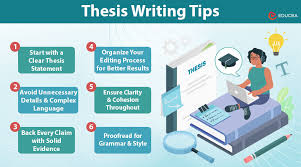
A thesis statement is the heart of any essay or research paper. It tells the reader what your paper is about and what position you’re taking. A strong thesis keeps your writing focused and organized, while a weak one makes your argument unclear. Writing a good thesis statement might seem hard, but with a few simple steps, you can make it clear and powerful.
First, understand what a thesis statement actually does. It’s not just a topic — it’s your opinion or argument about that topic. For example, “Social media” is just a topic. But “Social media has improved global communication but also increased the risk of misinformation” is a thesis. It tells the reader exactly what you’ll discuss and what you believe.
A good thesis is specific, arguable, and focused. Avoid vague statements like “Technology is good” or “Pollution is bad.” These are too broad and say nothing new. Instead, be precise: “Renewable energy technology is the best solution to reduce pollution and create sustainable growth.” That gives readers a clear direction.
Keep your thesis concise. It should usually fit into one or two sentences. Long, complicated theses can confuse readers. Say what you mean directly. For instance, instead of “In today’s modern society, there are many different ways that people can communicate, such as through social media, emails, and messaging apps, which have had both good and bad effects on relationships,” you could write, “Digital communication has made relationships faster but less personal.”
Place your thesis at the end of your introduction. This helps guide the reader into your essay. Every paragraph after that should connect back to your thesis in some way. If a paragraph doesn’t relate, it doesn’t belong.
A thesis should also be arguable. That means someone could disagree with it. A statement like “The earth orbits the sun” isn’t arguable — it’s a fact. But “Governments should invest more in renewable energy than in fossil fuels” invites discussion and analysis.
To make your thesis stronger, ask yourself three questions:
- Does it answer the essay question clearly?
- Can someone reasonably disagree with it?
- Can you support it with evidence?
If you can say yes to all three, you’ve got a solid thesis.
When revising, read your thesis out loud. If it sounds confusing or too wordy, rewrite it. Shorter, sharper sentences are usually better. Use active voice instead of passive voice. For example, say, “Online learning improves flexibility” instead of “Flexibility is improved by online learning.”
Avoid filler words like “very,” “really,” or “a lot.” They weaken your statement. Also, avoid uncertain language like “I think” or “I believe.” Be confident. Instead of “I think social media affects students,” say, “Social media affects students’ focus and academic performance.” Confidence makes your writing stronger.
Finally, remember that your thesis can evolve. As you research and write, your understanding might change — and that’s okay. Update your thesis to match your final argument. Writing is a process, not a one-time task.
Final Thought:
A clear and concise thesis is the foundation of great writing. It guides your reader and keeps your ideas focused. When your thesis is strong, every part of your essay becomes easier to write. Think of it as your paper’s compass — if it points clearly, your whole argument stays on course.
Leave a Reply