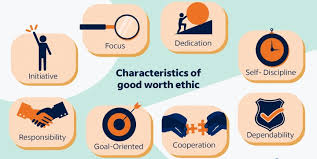
Career advancement does not happen by accident—it happens through planning, clear direction, and consistent effort. One of the most powerful methods to ensure continuous career growth is to set measurable and actionable goals. Measurable goals help you track progress, stay motivated, and remain aligned with your long-term professional vision. Without clear goals, even talented professionals can feel stuck, frustrated, or directionless in their careers.
This article outlines how to set measurable goals that drive meaningful and continuous career advancement.
1. Understand Why Measurable Goals Matter
Goals are effective only when they are specific and trackable.
Measurable goals:
- Provide clarity on what you need to achieve
- Help you maintain focus and avoid distractions
- Build confidence as you track progress
- Make it easier to evaluate performance
- Encourage accountability and discipline
In contrast, vague goals like “I want to grow in my career” lack direction and are difficult to act upon.
2. Use the SMART Framework
The most widely used system for goal-setting is the SMART model. SMART goals are:
| Letter | Meaning | Example |
| S | Specific | Become a certified Project Manager |
| M | Measurable | Complete certification course and pass exam |
| A | Achievable | Dedicate 1 hour daily to study |
| R | Relevant | This certification helps me advance to project leadership roles |
| T | Time-bound | Complete within 4 months |
Using SMART goals ensures your goals are practical and actionable.
3. Align Your Goals with Your Long-Term Career Vision
Before setting short-term goals, it’s essential to understand where you want to be in the long run.
Your short-term goals should be building blocks that support your long-term direction.
For example:
| Long-Term Career Vision | Supporting Measurable Goals |
| Become a Data Scientist | Learn Python, complete data analytics certification, build 5 real-world projects |
| Move into Senior Management | Improve leadership skills, complete management training, lead small internal teams |
| Build a Personal Brand | Post weekly content on LinkedIn, speak at networking events, and build a professional website |
This alignment ensures all your efforts contribute to meaningful progress.
4. Break Down Large Goals into Smaller Action Steps
Big goals can feel overwhelming, leading to procrastination. To stay consistent, break large goals into smaller tasks.
For example, instead of saying:
“Improve communication skills”
Break it into:
- Watch communication skill lectures every weekend
- Practice presentations twice monthly
- Join a public speaking club
- Ask for feedback during meetings
Small actions done consistently produce lasting results.
5. Set Short-Term, Mid-Term, and Long-Term Goals
Organizing goals by time range creates a balanced growth strategy.
| Time Frame | Purpose | Example Goals |
| Short-Term (1–6 months) | Skill development & foundation | Learn Excel, complete online certifications |
| Mid-Term (6 months–2 years) | Apply and refine skills | Lead small teams, manage small projects |
| Long-Term (2–5+ years) | Achieve career milestones | Become a manager, expert, or specialist |
This approach keeps you advancing steadily.
6. Track and Measure Your Progress Regularly
Monitoring progress helps you stay motivated and aware.
You can track your goals using:
- A digital planner (Notion, Trello, Google Sheets)
- Weekly Progress Checklists
- Monthly Performance Reviews
- Skill Development Journals
Ask yourself regularly:
- What did I achieve this week?
- What challenges did I face?
- What can I improve next?
This reflection prevents stagnation.
7. Seek Feedback from Mentors and Colleagues
Growth is faster when guided by others.
Feedback helps you:
- Understand blind spots
- Improve performance
- Learn industry expectations
- Avoid repeating mistakes
You can seek feedback by:
- Asking for performance reviews from managers
- Consulting mentors or career coaches
- Joining professional peer groups
Constructive feedback accelerates advancement.
8. Build Skills That Support Your Career Growth
Every role requires a mix of technical and soft skills.
Technical Skills depend on your field.
Examples:
- Programmers → Coding languages
- Marketers → Campaign analytics tools
- Healthcare workers → Clinical skills
Soft Skills are universal:
- Communication
- Teamwork
- Leadership
- Problem-solving
- Adaptability
While technical skills help you enter a field, soft skills help you grow and lead.
9. Document Your Achievements
Keeping a record of your accomplishments is crucial for:
- Performance evaluations
- Job promotions
- Salary negotiations
- Updating resumes and LinkedIn profiles
Document:
- Completed projects
- Measurable results
- Positive feedback or appreciation
- Awards or recognitions
Your achievement history is evidence of your growth and capability.
10. Stay Consistent and Adapt as Needed
Career advancement is not always linear.
There may be setbacks, changes in interests, or shifts in industry demand.
Key attitudes for success:
- Consistency → Even small steps add up
- Flexibility → Adjust goals when needed
- Resilience → Learn from challenges instead of stopping
Growth happens over time—not overnight.