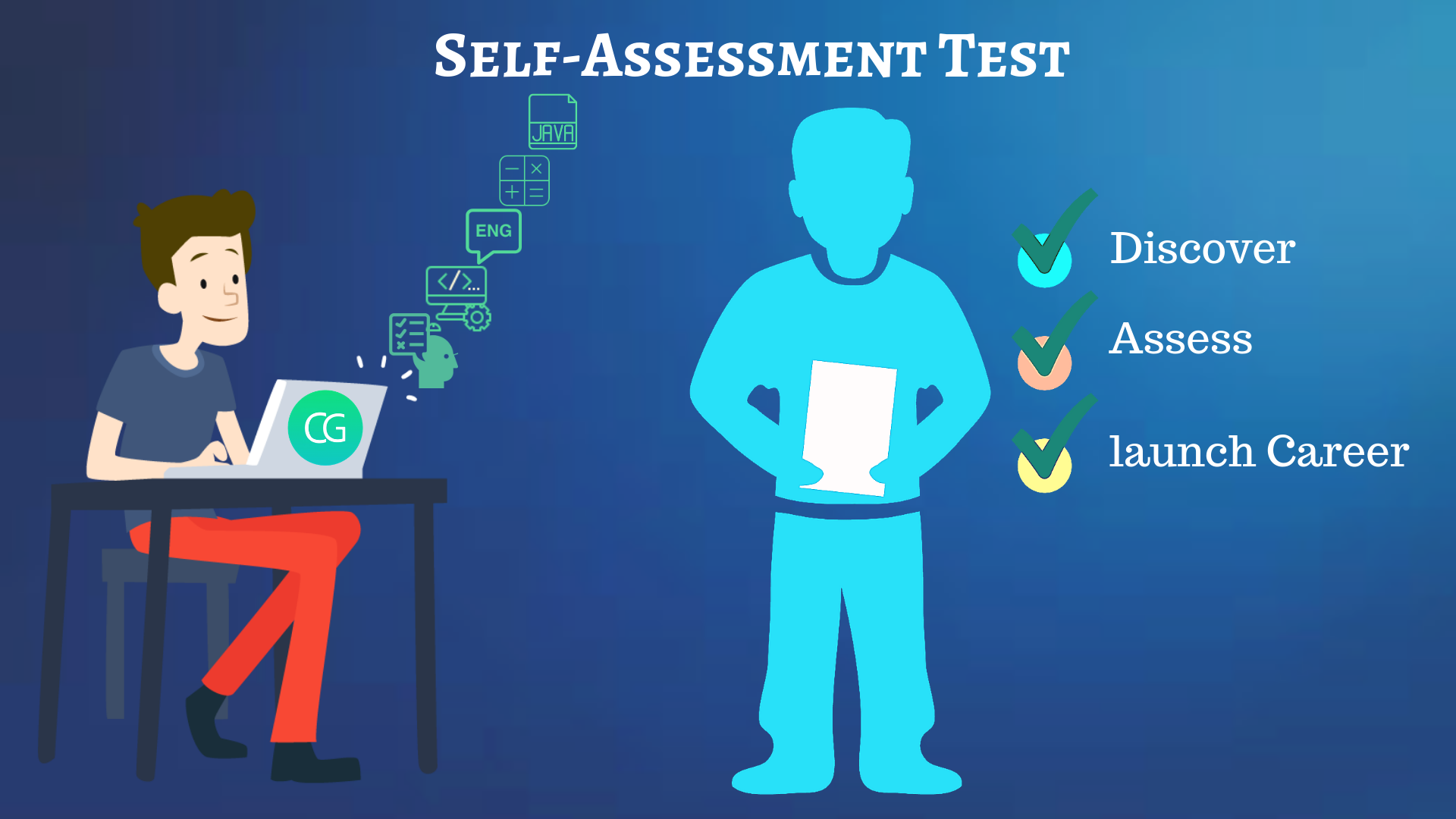
Choosing the right career is one of the most significant decisions in a person’s life. A well-chosen career path leads to growth, fulfillment, and stability, while a poorly chosen one can lead to stress, dissatisfaction, and repeated job changes. One of the most effective ways to choose the right career is by using self-assessment tools. These tools help you understand your personality, interests, strengths, values, and work style—allowing you to match yourself with careers that fit who you are.
This article explains the importance of self-assessment and provides a detailed guide to the best tools you can use to choose a career that aligns with your identity and long-term goals.
1. Why Self-Assessment Matters in Career Planning
Self-assessment helps you make informed career decisions by answering key questions:
- What am I naturally good at?
- What work activities energize me?
- What environments make me comfortable?
- What personal values guide my career choices?
- What kind of lifestyle do I want?
Without understanding yourself, career decisions become guesswork.
With clarity, you select careers aligned with your personality and purpose.
2. Areas of Self-Assessment
To get a complete understanding of yourself, evaluate the following:
| Area | What It Reveals | Why It Matters |
| Personality | How you think, behave, and react | Determines work culture and job fit |
| Skills | Technical + soft abilities | Shows what tasks you can perform well |
| Interests | What you enjoy doing | Ensures long-term career satisfaction |
| Values | What’s important to you | Helps avoid stress and conflicts in work life |
| Work Style | How you handle tasks and collaboration | Determines role suitability (team vs independent work) |
Understanding each of these areas helps form a clear picture of the career fields where you will thrive.
3. Recommended Self-Assessment Tools
Below are some of the most effective and widely recognized self-assessment tools used globally.
A. Personality Assessment Tools
1. Myers-Briggs Type Indicator (MBTI)
- Categorizes individuals into 16 personality types
- Helps identify communication style and work environment preference
- Useful for choosing roles that align with personality strengths
Examples:
- ENTJ → Leadership, management roles
- INFJ → Counseling, creative strategy
- ISTP → Technical or analytical work
2. DISC Assessment
- Measures behavior in four areas: Dominance, Influence, Steadiness, Compliance
- Helps determine how you interact with people and handle conflict
- Useful for teamwork and leadership roles
B. Strengths Identification Tools
3. CliftonStrengths (StrengthsFinder)
- Identifies your top natural talents
- Helps you understand what tasks come easily and feel rewarding
- Encourages building your career around what you do best, not weaknesses
4. VIA Character Strengths Survey
- Focuses on personal qualities like integrity, creativity, and empathy
- Useful for careers requiring emotional intelligence and social connection
C. Career Interest Tools
5. Holland Code (RIASEC) Test
- Categorizes interests into 6 types:
Realistic, Investigative, Artistic, Social, Enterprising, Conventional - Matches your interests to suggested job families
Example:
- Artistic → Designer, Writer, Marketing Creative
- Investigative → Analyst, Researcher, Scientist
6. CareerExplorer by Sokanu
- Provides career recommendations based on interest + aptitude + personality
- Gives detailed job matches and required qualifications
D. Skills and Competency Assessment Tools
7. Skillshare Assessments / LinkedIn Skill Exams
- Helps identify your level of competency in technical or professional skills
- Useful for improving credibility in resumes and LinkedIn profiles
8. Coursera and Udemy Skill Path Recommendations
- Suggests structured learning paths based on your skill gaps and interests
E. Values Clarification Tools
9. Work Values Inventory
- Helps you identify what you prioritize at work:
- Salary
- Stability
- Creativity
- Leadership
- Work-life balance
- Salary
10. Career Fitter Assessment
- Matches values and personality with work environments
4. How to Use These Tools Effectively
Self-assessment tools alone won’t solve your career questions—they must be interpreted and applied thoughtfully.
Follow these steps:
- Take multiple assessments, not just one.
- Write down recurring patterns — your strengths and preferences.
- Compare results across tools to see similarity.
- Match your profile with careers that consistently appear in your results.
- Research each career — salary, work environment, growth potential.
- Test your interest through courses, internships, or freelance projects.
When patterns align in personality, interests, and strengths — you’ve found a strong career fit.
5. Benefits of Self-Assessment in Career Selection
- Reduces confusion and guesswork
- Increases confidence in career decisions
- Helps avoid job dissatisfaction or burnout
- Improves performance, productivity, and engagement
- Makes career growth faster and more strategic
Choosing a career that fits your identity is not just practical — it leads to long-term happiness and success.
6. Common Mistakes to Avoid
| Mistake | Why It’s a Problem |
| Choosing a career based on salary only | Leads to burnout and dissatisfaction |
| Following trends blindly | Not every trending job suits every person |
| Copying peers or family expectations | Everyone has unique strengths and values |
| Ignoring personality and work environment fit | Leads to workplace stress and conflict |
Self-awareness is always more valuable than trends.
Leave a Reply