Formatting references can feel like the most boring part of writing — but it’s one of the most important. Proper referencing shows respect for others’ work and protects you from plagiarism. It also makes your report look polished and professional.
Every college uses a specific citation style, such as APA, MLA, or Chicago. Each has different rules for in-text citations and reference lists, so it’s important to follow the one your instructor requires.
1. Understand why referencing matters
Referencing isn’t just about rules. It helps readers trace where your ideas come from, check your evidence, and explore sources further. It’s a sign that your work is built on solid research.
2. Keep track of sources from the beginning
Don’t wait until the end of your report to gather citations. As you research, write down details for every book, article, or website — author name, year, title, publisher, and page numbers. This habit saves hours later.
3. Know the basics of in-text citation
- APA style: (Smith, 2020)
- MLA style: (Smith 45)
- Chicago style: uses footnotes or endnotes.
Each time you use someone else’s idea, you must cite it — even if you paraphrase it in your own words.
4. Format the reference list correctly
At the end of your report, list all your sources alphabetically by the author’s last name.
Examples:
APA:
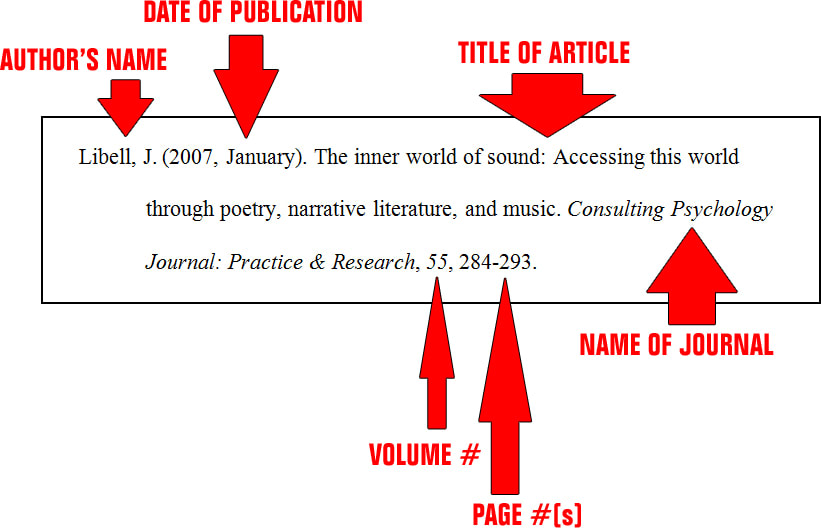
Smith, J. (2020). Understanding Human Behavior. Oxford University Press.
MLA:
Smith, John. Understanding Human Behavior. Oxford University Press, 2020.
Chicago:
Smith, John. Understanding Human Behavior. Oxford: Oxford University Press, 2020.
Notice how punctuation and order differ — that’s why double-checking your style guide is important.
5. Use citation tools wisely
Free tools like ZoteroBib, CiteThisForMe, or Mendeley can format references automatically. Just enter the title or URL. But don’t trust them blindly — always proofread the result against your official style guide.
6. Be consistent
If you start using APA, don’t switch to MLA halfway through. Inconsistency looks careless. Stick to one format from start to finish.
7. Include all types of sources
Books and journals aren’t the only references. You may also cite websites, videos, interviews, or government reports. Just make sure you include full details — like access dates for web sources.
8. Avoid common mistakes
- Missing italics for book titles.
- Forgetting commas or periods in reference lists.
- Citing secondary sources instead of reading the original.
- Using “et al.” incorrectly (in APA, use it for three or more authors after first mention).
9. Check before submitting
Many students lose marks simply for formatting errors. Before submitting, use your word processor’s “References” or “Bibliography” feature to check spacing and alignment — most formats require hanging indents.
Final Thought:
Accurate references show discipline and honesty. They prove your research is grounded in real evidence. Mastering citation style may seem small, but it’s one of the clearest signs of academic maturity.