A literature review might sound intimidating, but it’s really just a smart summary of what’s already been said about your topic. It shows you’ve done your homework — that you know the major ideas, debates, and gaps in your field. For beginners, the key is learning how to read critically and organize information clearly.
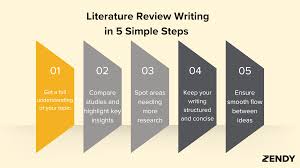
Start by understanding your purpose. A literature review isn’t just a list of sources. It’s an analysis — you’re explaining how existing research connects, where it disagrees, and what still needs to be explored.
Begin with broad reading. Search databases like Google Scholar, JSTOR, or your university’s library. Use keywords related to your topic. Read abstracts first — they help you decide if an article is worth reading fully.
As you read, take notes. Write down key ideas, methods, findings, and any quotes that stand out. It’s smart to record citation details right away — author, title, year, publisher — so you don’t waste time hunting later.
Next, organize your sources. You can group them by theme, trend, or chronology. For example, if you’re writing about climate change, you could group sources as: early theories, recent findings, and current challenges.
Compare and contrast studies. Don’t just summarize one article after another. Instead, show relationships: Which studies agree? Which ones contradict each other? What patterns appear? This is what turns a simple summary into a real review.
Use your own voice. Even though you’re discussing other people’s work, your perspective matters. You’re building a foundation for your research, so explain how each study connects to your own project.
Be careful not to overload your review with quotes. Paraphrase most information, and quote only when the wording is especially powerful or specific.
When writing, follow a clear structure:
- Introduction: Explain your topic and why it matters.
- Body: Discuss themes, findings, and debates.
- Conclusion: Summarize main points and identify research gaps your work might fill.
Finally, revise carefully. A literature review must be logical and balanced. Avoid bias — don’t favor sources that support your opinion. The goal is to present a fair overview of the field.
Final Thought:
A good literature review shows that you’re part of an academic conversation, not just repeating what others said. Read widely, think critically, and write clearly. Every strong research paper starts with a strong understanding of what came before it.
Leave a Reply