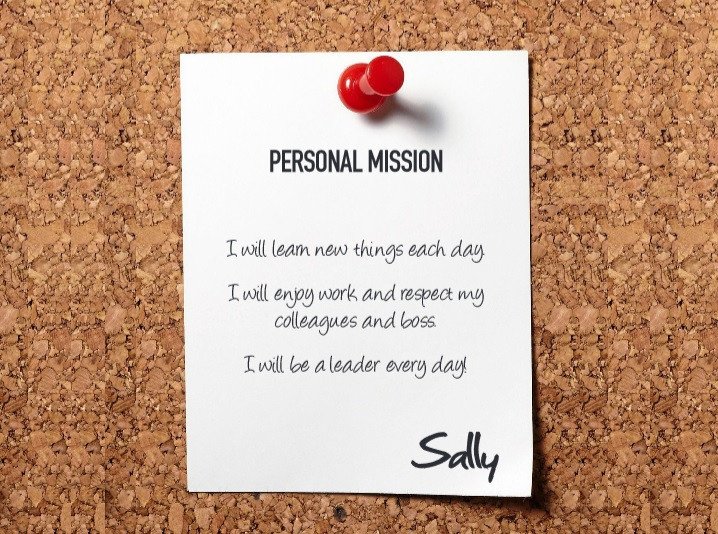
A personal career mission statement is a powerful tool that defines your purpose, guides your decisions, and keeps you aligned with your long-term professional goals. Just as companies create mission statements to articulate their vision and values, professionals can craft their own statements to clarify why they do what they do and where they want to go. A strong mission statement acts as your personal compass in an ever-changing career landscape.
1. Understand the Purpose of a Career Mission Statement
Before creating your statement, it’s important to understand why it matters:
- Provides clarity about your professional goals
- Keeps you focused on meaningful work
- Helps make career decisions easier and more strategic
- Acts as a motivational tool during challenging times
- Communicates your value and direction to others, including employers and mentors
Think of your mission statement as a north star for your career journey.
2. Reflect on Your Core Values
Your mission statement should be grounded in your core values. Ask yourself:
- What principles guide my decisions?
- What kind of work environment aligns with my ethics and lifestyle?
- What impact do I want to make in my field or community?
Values may include creativity, integrity, learning, collaboration, financial stability, or innovation. Identifying these ensures your mission is authentic and personally meaningful.
3. Identify Your Strengths and Talents
A strong mission statement leverages your natural abilities. Consider:
- What skills come naturally to me?
- What do people often compliment me on?
- Which tasks energize me and make me feel competent?
Highlighting your strengths helps you define what you uniquely bring to the table and how you can contribute to your industry.
4. Consider Your Passions and Interests
A mission statement should connect to what excites you professionally:
- Which tasks or projects bring me satisfaction?
- What topics or industries am I drawn to consistently?
- Where can I combine passion with value creation?
Aligning your mission with your passions ensures that your career remains engaging and fulfilling over the long term.
5. Envision Your Ideal Career Impact
Think about the difference you want to make in your profession:
- Do you want to inspire, innovate, educate, lead, or solve problems?
- How will your work positively influence others?
- What legacy or professional reputation do you want to leave?
This helps translate your strengths and passions into a purpose-driven statement.
6. Keep It Clear and Concise
A mission statement should be short and easy to remember. Avoid overcomplicated language. Ideally, it should be:
- One to three sentences
- Focused on your goals, values, and unique contributions
- Action-oriented, showing how you intend to fulfill your purpose
Example:
“I strive to leverage my analytical and creative skills to help organizations solve complex problems while continuously learning and mentoring others to achieve professional excellence.”
7. Include Short-Term and Long-Term Aspirations
Your mission statement can address both immediate and future goals:
- Short-term: What kind of work or role do you want to focus on now?
- Long-term: How do you want your career to evolve?
This creates a roadmap that connects daily actions with your overarching career vision.
8. Make It Flexible
Your mission statement should be adaptable as you grow professionally. Career paths evolve, industries change, and personal interests may shift. Revisit your statement periodically:
- Annually or bi-annually
- After completing major projects
- When considering career transitions
Flexibility ensures that your mission statement continues to reflect your evolving goals and ambitions.
9. Use It as a Decision-Making Tool
Once crafted, your mission statement can guide key career decisions:
- Choosing between job offers
- Selecting projects or roles to pursue
- Evaluating whether a promotion or move aligns with your purpose
If a choice doesn’t align with your mission, it may not serve your long-term growth.
10. Communicate Your Mission Professionally
Sharing your mission can enhance your personal brand:
- Include it in your LinkedIn “About” section
- Reference it during interviews or networking conversations
- Use it to guide your professional narrative and storytelling
A clear mission communicates focus, commitment, and clarity to employers, mentors, and peers.
Conclusion
A personal career mission statement is more than a statement—it is a strategic guide for your professional life. By reflecting on your values, strengths, passions, and desired impact, you create a compass that directs every career decision, project, and learning opportunity. It keeps you focused, motivated, and resilient even during challenges, ensuring that every step you take contributes meaningfully to your long-term goals.
Remember, your mission is your professional purpose made visible, and when clearly defined, it empowers you to create a career that is both impactful and fulfilling.