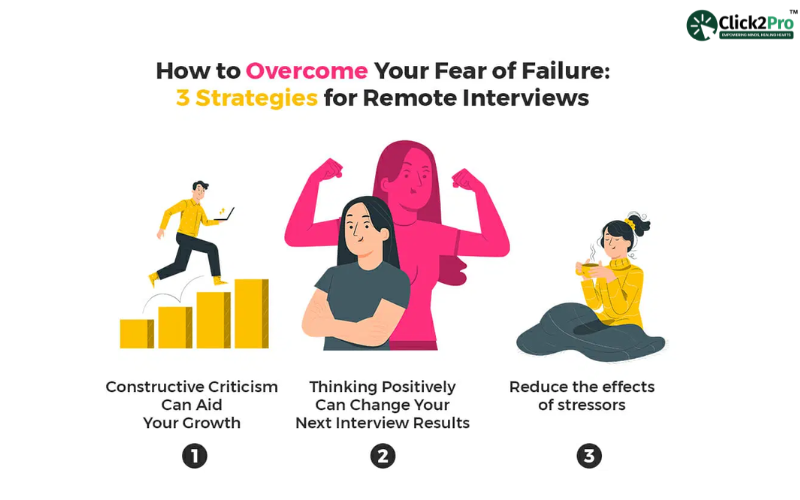
Fear of failure is a common obstacle in careers, especially for ambitious professionals aiming for promotions, new roles, or challenging projects. While fear can motivate preparation, excessive fear paralyzes action, stunts growth, and erodes confidence. Overcoming this fear is crucial to unlocking your full potential and achieving career success. This article explores practical strategies to confront and overcome professional fear of failure.
1. Understand the Nature of Fear
Fear of failure often stems from:
- Perfectionism and unrealistic expectations
- Past negative experiences or mistakes
- Pressure to meet others’ expectations
- Concern about reputation or job security
Recognizing the source of fear is the first step to addressing it. Awareness reduces anxiety and allows rational decision-making.
2. Reframe Failure as Learning
Changing your perspective is key:
- View failure as feedback, not a reflection of your worth
- Identify lessons and opportunities in setbacks
- Embrace mistakes as part of skill-building and growth
Reframing failure transforms fear into a motivator for improvement rather than a barrier.
3. Set Realistic Expectations
Perfectionism often fuels fear:
- Break complex projects into achievable steps
- Focus on progress, not perfection
- Acknowledge what is within your control and accept what is not
Realistic expectations reduce pressure and build confidence in your abilities.
4. Prepare and Plan Strategically
Fear decreases when preparation is thorough:
- Research, practice, and rehearse before taking on new responsibilities
- Identify potential challenges and contingency plans
- Develop skills and knowledge to enhance readiness
Preparation equips you to act decisively and reduces anxiety about potential failure.
5. Take Calculated Risks
Growth requires stepping outside your comfort zone:
- Start with smaller risks to build confidence
- Gradually increase challenges as comfort and competence grow
- Accept that not all outcomes will be perfect, but experience is valuable
Calculated risk-taking builds resilience and demonstrates courage to yourself and others.
6. Visualize Success
Positive visualization strengthens confidence:
- Imagine successfully completing tasks, projects, or presentations
- Focus on skills, strategies, and resources you can leverage
- Reinforce a mindset of achievement rather than fear
Visualization prepares your mind to handle challenges effectively.
7. Build a Support Network
Support from others mitigates fear:
- Seek mentors, colleagues, or peers who encourage and guide
- Share concerns and gain perspective on challenges
- Learn from others’ experiences with setbacks and recovery
A strong network provides reassurance, feedback, and motivation to move forward.
8. Focus on Growth, Not Outcome
Shifting focus reduces fear intensity:
- Concentrate on the process, learning, and skill-building
- Treat achievements and mistakes as part of development
- Celebrate incremental progress rather than only end results
Process-oriented thinking reduces anxiety about failing and emphasizes continuous improvement.
9. Practice Self-Compassion
Fear of failure often comes with self-criticism:
- Treat yourself with kindness when mistakes occur
- Avoid harsh judgment or dwelling on setbacks
- Reflect on achievements and strengths regularly
Self-compassion fosters resilience and encourages risk-taking without self-sabotage.
10. Take Action Despite Fear
The ultimate way to overcome fear is action:
- Start small and gradually tackle bigger challenges
- Accept uncertainty as part of growth
- Learn from outcomes, adjust, and continue moving forward
Consistent action reinforces confidence and proves to yourself that failure is survivable and manageable.