Life. It throws challenges at us. Everyday. Some are small—like forgetting your wallet at home. Others are bigger, like figuring out how to keep your team afloat during a tough project. And truth be told, not everyone is naturally good at solving problems. But here’s the thing—problem-solving isn’t just a talent. It’s a mindset. And like any mindset, it can be developed. The key is consistent effort, curiosity, and a willingness to fail.
So, if you’ve ever found yourself staring at a problem, thinking “I just can’t figure this out,” this article is for you. Here are practical, research-backed ways to develop a problem-solving mindset.
1. Embrace Curiosity
Problem-solving starts with curiosity. Ask questions. Always. Even about stuff that seems obvious. “Why does this happen?” “What would happen if I tried this instead?” Curiosity opens doors. It makes your brain look for possibilities instead of fixating on obstacles.
Research shows that curious people are better at finding creative solutions. They look beyond the obvious and aren’t satisfied with surface-level answers. So next time something doesn’t make sense, don’t just shrug—dig deeper. Read, ask, explore. Curiosity fuels solutions.
2. Shift Your Perspective
Sometimes the hardest part isn’t the problem—it’s the way we see it. Humans have a nasty habit of thinking in black and white. Solution A or nothing. That’s limiting.
Instead, try stepping back. Look at the problem from different angles. If you’re stuck in traffic and late for a meeting, your first thought might be panic. But if you pause, maybe you realize you could call ahead, or send an email, or even take a slightly longer route that’s faster. Perspective shift.
Some psychologists call this “cognitive reframing.” It’s basically changing the way you see the problem so solutions become clearer. And guess what—it works in everyday life, work challenges, and even relationships.
3. Break Problems into Smaller Pieces
Big problems are scary. Really scary. And that fear can stop you from acting at all. But here’s a trick: break them down. Tiny steps. Bite-sized.
Instead of thinking, “I need to write a 50-page report by tomorrow,” focus on “Okay, I’ll do the outline today, write 10 pages tonight, edit the rest tomorrow.” Suddenly, what seemed impossible feels manageable.
Breaking things down also helps you spot where exactly the problem lies. Sometimes the big scary problem isn’t really one problem—it’s five smaller ones stacked together. Solve them one by one, and the big problem vanishes.
4. Adopt a Growth Mindset
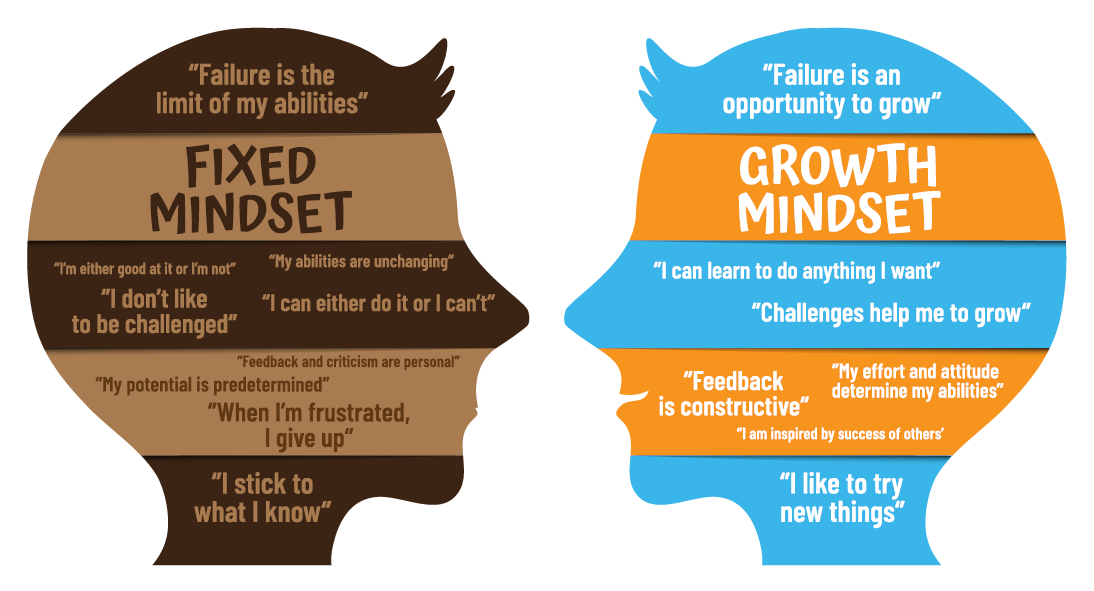
Here’s the deal. People with a fixed mindset believe skills are innate. Either you’re good at problem-solving, or you’re not. But research from Carol Dweck at Stanford proves otherwise. A growth mindset—believing you can improve through effort and learning—changes everything.
When you fail, you don’t sulk or give up. You analyze. “What can I learn?” “What didn’t work?” A growth mindset turns failure from a threat into a teacher. It encourages experimentation and resilience. And if there’s one thing that breeds problem-solving abilities, it’s resilience.
5. Practice Critical Thinking
Critical thinking is like a gym for your brain. You strengthen it by questioning assumptions, weighing evidence, and thinking logically.
Instead of accepting information at face value, ask:
- Is this really true?
- Are there alternative explanations?
- What’s the most reasonable solution given the facts?
This habit doesn’t just help you in school or work. It helps in everyday problems—from figuring out why your car won’t start to deciding if a new diet actually works. Critical thinking makes problem-solving systematic instead of chaotic.
6. Embrace Failure as Feedback
Here’s the uncomfortable truth: problem-solving involves failure. A lot of it. You try something. It doesn’t work. You try again. Eventually, you find something that sticks.
But the key is how you treat failure. Do you sulk? Blame others? Or do you analyze and learn? Think of Thomas Edison—he didn’t fail 1,000 times while inventing the light bulb. He found 1,000 ways that didn’t work.
Reframe failure as feedback. Each misstep is a clue to the right solution. This mindset shift separates habitual problem-solvers from people who get stuck.
7. Collaborate and Seek Different Opinions
Humans are social problem-solvers. Isolation can blind you to obvious solutions. Sometimes, the answer is right in front of you—but you can’t see it because your perspective is limited.
Talk to others. Ask for opinions. Debate. Even argue a little. Different viewpoints can spark new ideas. Research shows teams often outperform individuals in solving complex problems because they combine diverse knowledge and thinking styles.
Just remember—listening is as important as talking. The goal isn’t to “win” the discussion but to expand the problem-solving pool.
8. Use Creative Techniques
Problem-solving isn’t always logical. Sometimes, you need creativity. Techniques like mind mapping, brainstorming, or the “SCAMPER” method can be game-changers.
SCAMPER stands for:
- Substitute
- Combine
- Adapt
- Modify
- Put to another use
- Eliminate
- Reverse
By actively forcing your brain to think differently, you can uncover solutions you wouldn’t have considered naturally.
9. Develop Emotional Intelligence
Emotions mess with problem-solving more than we admit. Stress, frustration, and fear cloud judgment. Emotional intelligence (EQ) helps you manage your emotions and read others’ emotions too.
Higher EQ leads to calmer, more rational decision-making. It also improves teamwork—an essential factor when solving complex problems that involve multiple people.
Take a deep breath, pause, and acknowledge your emotions. Once they’re in check, your brain operates at its best.
10. Practice, Practice, Practice
Finally, like any skill, problem-solving improves with practice. Don’t just wait for big crises to challenge yourself. Tackle small problems daily. Solve puzzles. Play strategy games. Analyze scenarios at work. Every tiny problem you solve builds your mental muscle.
And over time, you’ll notice something magical. Problems that once seemed daunting start to feel like opportunities. Opportunities to learn, grow, and innovate.
Final Thoughts
Developing a problem-solving mindset isn’t about being a genius. It’s about curiosity, patience, resilience, and consistent practice. It’s about seeing problems not as threats, but as puzzles waiting to be solved.
Shift perspectives. Embrace failure. Break things down. Collaborate. Practice. And over time, you’ll become the kind of person who doesn’t panic when problems arise—you just find solutions.
Remember, it’s not about never facing problems. It’s about becoming someone who thrives on solving them.
Leave a Reply