Introduction
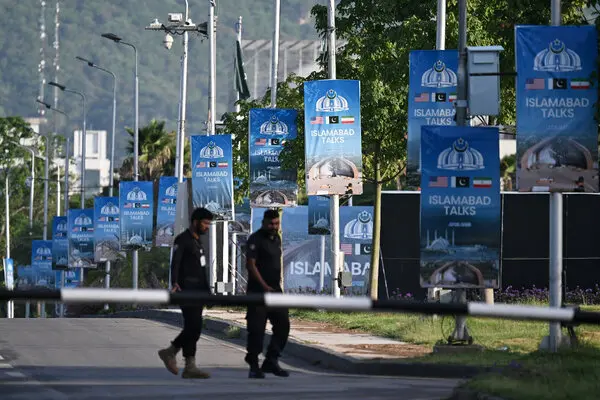
The peace talks between the United States and Iran have become a major focus of global attention. After a period of rising tensions, both countries are now exploring diplomatic solutions to avoid further conflict. These discussions are important not only for the two nations involved but also for the stability of the Middle East and the global economy.
Background of the Conflict
The relationship between the United States and Iran has been tense for decades. Disagreements over political influence, military actions, and nuclear development have created ongoing conflict. In recent times, tensions increased due to military activities and economic sanctions, pushing both sides closer to confrontation.
To prevent escalation, international pressure and regional mediation encouraged both countries to come to the negotiation table. A temporary ceasefire created the opportunity for these peace talks, but deep mistrust still exists between the two sides.
Key Issues in the Talks
Nuclear Program
One of the biggest challenges in the negotiations is Iran’s nuclear program. The United States wants strict limits to ensure that Iran does not develop nuclear weapons. On the other hand, Iran insists that its nuclear activities are for peaceful purposes and refuses to accept conditions it considers unfair.
Economic Sanctions
Another major issue is economic sanctions. The United States has imposed heavy sanctions on Iran, affecting its economy, trade, and currency value. Iran is demanding relief from these sanctions, while the U.S. is using them as leverage in negotiations.
Regional Influence
Iran’s involvement in Middle Eastern politics is also a point of concern. The United States wants Iran to reduce its influence in neighboring countries and limit support for certain groups. Iran, however, views its regional role as essential to its national security and refuses to step back easily.
Military Presence and Security
Both countries have strong military interests in the region. The presence of U.S. forces and Iran’s strategic positioning has created tension, especially in key areas like important shipping routes. Security guarantees are a crucial part of the discussions.
Why the Talks Are Difficult
Reaching an agreement is not easy due to several reasons. First, there is a long history of mistrust. Both sides doubt each other’s intentions, making compromise difficult.
Second, political pressure within each country affects the negotiations. Leaders must consider public opinion and internal politics, which often limits their flexibility.
Third, the demands from both sides are quite different. While the U.S. focuses on security and nuclear control, Iran prioritizes economic relief and sovereignty. These opposing priorities make it hard to find common ground.
Recent Developments
Recent rounds of talks have shown mixed results. While both sides continue to engage in dialogue, there has been little progress on major issues. Proposals have been exchanged, but no final agreement has been reached.
There have also been moments of tension, with each side accusing the other of not negotiating in good faith. Despite this, communication channels remain open, which is a positive sign for future discussions.
Global Impact
The outcome of these peace talks has global importance. The Middle East is a key region for oil supply, and any instability can affect international markets. Rising tensions can lead to higher oil prices, which impacts economies around the world.
Additionally, the talks influence global security. A successful agreement could reduce conflict in the region, while failure could increase the risk of military escalation.
Possible Outcomes
Limited Agreement
A short-term deal focusing on smaller issues, such as reducing tensions or improving trade conditions, could be achieved first.
Comprehensive Deal
A complete agreement covering nuclear programs, sanctions, and regional policies would be ideal but is difficult to achieve.
Continued Negotiations
The talks may continue for a long time without a clear result, as both sides try to protect their interests.
Escalation
If negotiations fail completely, tensions could rise again, potentially leading to conflict.
Conclusion
The U.S.-Iran peace talks are a critical step toward reducing tensions and promoting stability. However, the challenges are significant, and progress is slow. The future of these negotiations depends on the willingness of both sides to compromise and build trust. Until then, the world will continue to watch closely, as the outcome will have lasting effects on global peace and economic stability.
Leave a Reply