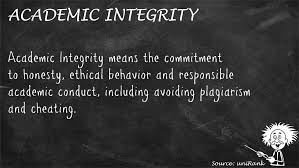
Academic integrity is the foundation of honest learning. It means being truthful in your studies, respecting others’ work, and taking responsibility for your own learning. Every college or university expects students to follow these principles — not only to prevent cheating, but to build trust and fairness in the academic community.
At its core, academic integrity is about honesty, trust, fairness, respect, and responsibility. These values guide every part of a student’s academic journey, from writing papers to taking exams.
Honesty means doing your own work. When you write essays or reports, your ideas should reflect your understanding — not someone else’s words copied without credit. Even when you paraphrase or summarize, you must still give proper citations.
Trust builds between students and teachers. Professors trust that your submissions are your own, and you trust that your work will be graded fairly. One act of dishonesty, like plagiarism, can break that trust quickly.
Fairness ensures equal opportunity for all. Cheating or falsifying data gives an unfair advantage over honest students. Following the same rules keeps learning fair.
Respect means acknowledging other people’s ideas. When you quote or reference an author, you show respect for their intellectual work. This also means respecting yourself enough to be original and ethical.
Responsibility is about owning your actions. If you make a mistake, admit it and learn from it. Students who take responsibility become stronger and more independent thinkers.
Academic integrity also includes avoiding plagiarism, cheating, collusion, and fabrication. Plagiarism happens when you copy others’ words without giving credit. Cheating involves dishonest actions during exams or assignments. Collusion is when you collaborate on work meant to be done individually. Fabrication means inventing data or sources.
Many schools now use plagiarism detection tools like Turnitin. But tools aren’t enough — integrity is a personal choice. Building good study habits, managing time, and learning citation rules can help you stay honest.
If you’re unsure whether something counts as plagiarism, ask your teacher. It’s better to check than to risk a violation.
Final Thought:
Academic integrity is more than a rule — it’s a mindset. When you practice honesty, respect, and responsibility, you not only protect your reputation but also develop real confidence in your own knowledge.