When writing academic papers, one of the first questions students face is: Should I use APA or MLA? Both are popular citation styles, but each serves a different purpose. Understanding the difference can save you time and confusion — and help you meet your professor’s expectations perfectly.
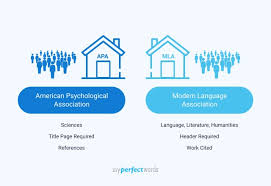
APA (American Psychological Association) style is mostly used in social sciences — psychology, education, sociology, and business. MLA (Modern Language Association) style is used in humanities — literature, philosophy, and arts.
The main goal of both styles is the same: to give credit to original sources and avoid plagiarism. But the way they do it is different.
In APA style, in-text citations include the author’s last name and year of publication — for example, (Smith, 2020). In MLA, only the author’s last name and page number are used — (Smith 45). So, if you’re quoting research studies or data, APA is your go-to. If you’re citing books or literary works, MLA fits better.
Another difference is how they handle reference lists. In APA, the reference page is titled References and arranged by the author’s last name. The publication year comes right after the author’s name. Example:
Smith, J. (2020). Understanding Human Behavior. New York: Academic Press.
In MLA, the page is titled Works Cited, and the format is slightly different:
Smith, John. Understanding Human Behavior. Academic Press, 2020.
APA also prefers shorter quotations with clear paraphrasing, while MLA often uses direct quotes for literary evidence.
APA emphasizes recency — when the source was published — because new research matters in science-based writing. MLA focuses more on authorship and page number, which makes sense for analyzing older texts or literature.
Formatting rules also differ. APA uses a title page, abstract, and section headings. MLA usually doesn’t require a title page or abstract. Instead, it starts with the student’s name, instructor’s name, course, and date on the first page.
When deciding which to use, check your assignment instructions. Most professors specify the format. If not, choose based on your subject area: APA for sciences, MLA for arts.
You can also use citation tools like Zotero, Mendeley, or EasyBib to create references automatically — just double-check that the formatting matches the official guide.
Final Thought:
Choosing between APA and MLA isn’t about which is better — it’s about what fits your field. Once you learn the rules of each, citation becomes quick and painless. Consistency and accuracy are what really matter in academic writing.