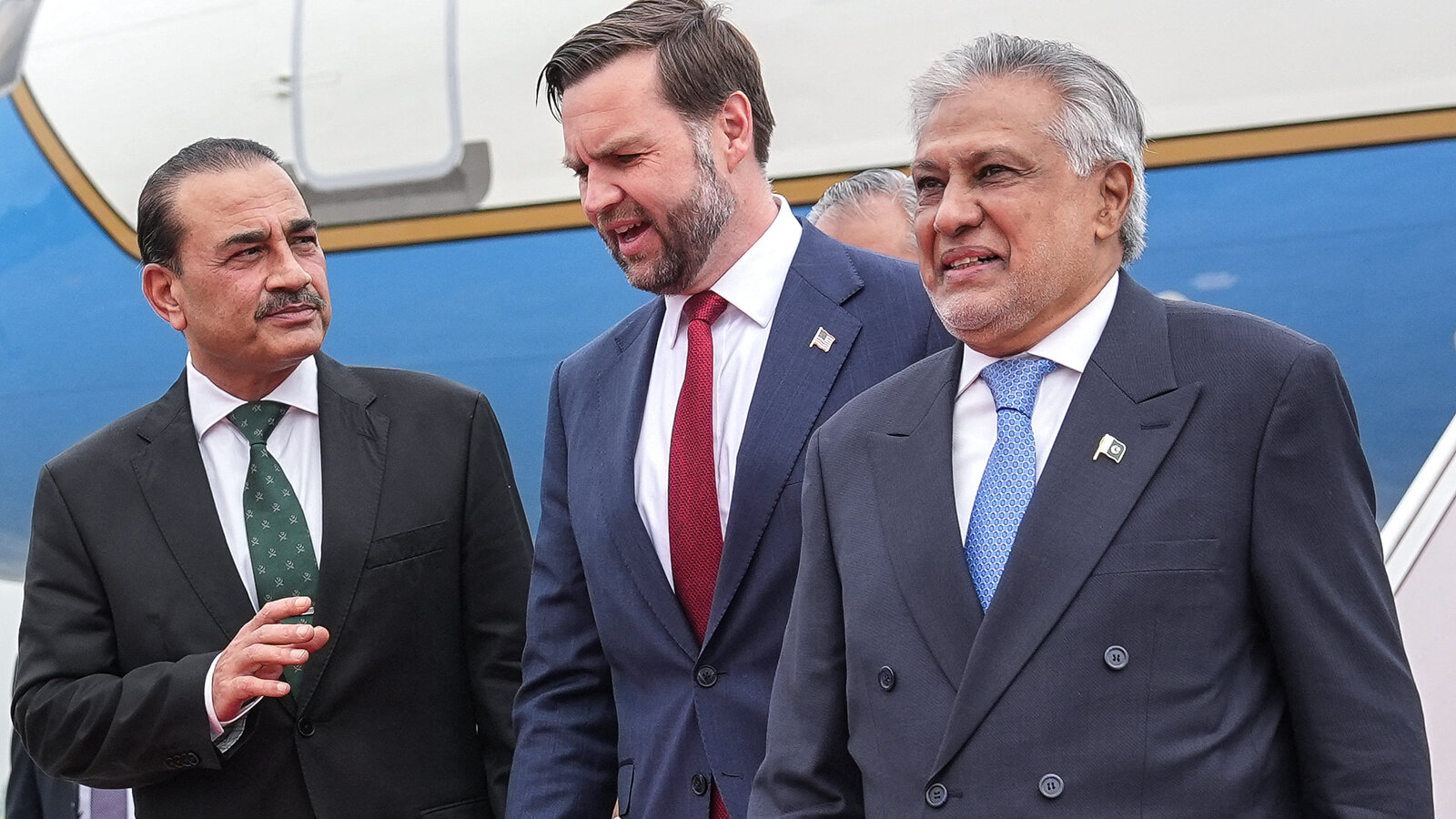
Uncertainty Clouds Upcoming Negotiations
As the possibility of new peace talks between the United States and Iran emerges, both Washington and Tehran are sending mixed and often contradictory signals. While officials on both sides speak of diplomacy, their actions and statements suggest that deep mistrust and strategic hesitation continue to dominate the situation.
Recent developments indicate that a new round of negotiations could take place, possibly in Islamabad, with international mediators pushing for dialogue. However, uncertainty remains over whether both sides are fully committed to sitting at the table.
Trump’s Conflicting Messages
President Trump has alternated between optimism and угрозы when discussing the future of U.S.-Iran relations. On one hand, he has expressed confidence that negotiations will move forward and potentially lead to an agreement. On the other, he has warned of severe military consequences if Iran fails to meet U.S. demands.
In public statements, Trump has even suggested that military action could resume quickly if talks collapse, creating confusion about whether diplomacy or force is the primary strategy. This dual messaging has left analysts questioning the true direction of U.S. policy.
Tehran’s Cautious and Conditional Approach
Iran, meanwhile, has taken a firm but cautious stance. Officials in Tehran have indicated that they are open to talks, but only under certain conditions. They have clearly stated that negotiations cannot take place under threats or ongoing pressure, particularly the U.S. naval blockade.
Iranian leaders have also warned that they are prepared to respond militarily if provoked, signaling that while diplomacy is an option, confrontation is still very much on the table.
Rising Tensions on the Ground
The mixed signals are not limited to words. Actions on the ground have further complicated the situation. Recent incidents, including the seizure of an Iranian vessel by U.S. forces and clashes near key البحرية routes, have increased tensions significantly.
Such developments undermine trust and make it harder for both sides to move toward meaningful dialogue. Even as talks are being discussed, the risk of escalation remains high.
Role of Mediation Efforts
Countries like Pakistan are actively working behind the scenes to bring both sides together. Preparations for possible talks are underway, showing that diplomatic channels are still open. However, Iran’s hesitation and the U.S.’s shifting tone have created doubts about whether these efforts will succeed.
Mediators face the challenge of bridging not only political differences but also the lack of trust between the two nations.
Key Issues Still Unresolved
Several major issues continue to block progress. These include Iran’s nuclear program, U.S. sanctions, regional influence, and military presence in the Middle East. Neither side has shown willingness to fully compromise on these core concerns, making any agreement difficult to achieve.
Additionally, internal political dynamics within Iran and strategic calculations in Washington are influencing the pace and direction of negotiations.
Global Concerns and Impact
The ongoing uncertainty is not just a regional issue—it has global consequences. Rising tensions have already affected energy markets and international trade routes. The situation remains especially sensitive due to the importance of nearby shipping lanes for global oil supply.
Even without active war, the combination of military presence, economic pressure, and political uncertainty keeps global markets on edge.
Conclusion
The mixed signals from both Tehran and Trump highlight the fragile state of current U.S.-Iran relations. While the possibility of talks offers hope for a peaceful resolution, conflicting messages and ongoing tensions suggest that a breakthrough is far from guaranteed.
For now, diplomacy and confrontation appear to be moving side by side. Whether negotiations will succeed or tensions will escalate further depends on the decisions made in the coming days.